Pakistan’s securities regulator is stepping up pressure on the country’s fragmented construction sector to formalize, a shift that could improve financing, transparency and exit options for builders while giving investors a clearer path into property-linked assets.
Pakistan SECP Pitches Corporatization for Builders
The Securities and Exchange Commission of Pakistan briefed members of the Association of Builders and Developers of Pakistan on the benefits of corporatization and the potential to register real estate investment trusts, or REITs, in a session in Islamabad led by Commissioner Muzzafar Ahmed Mirza. The outreach matters because Pakistan’s property market remains heavily reliant on informal partnerships and balance-sheet funding, limiting scale, disclosure and access to capital at a time when developers face tighter financing conditions.
SECP said its reforms are intended to simplify incorporation, improve regulatory clarity and persuade informal businesses to adopt corporate structures. The regulator also highlighted its eZfile platform and digital links to external registries, which it says have made company formation and filings faster. For builders, that could lower administrative friction and reduce the personal liability typically associated with unincorporated ventures, making it easier to raise money from banks, institutions and eventually overseas investors.
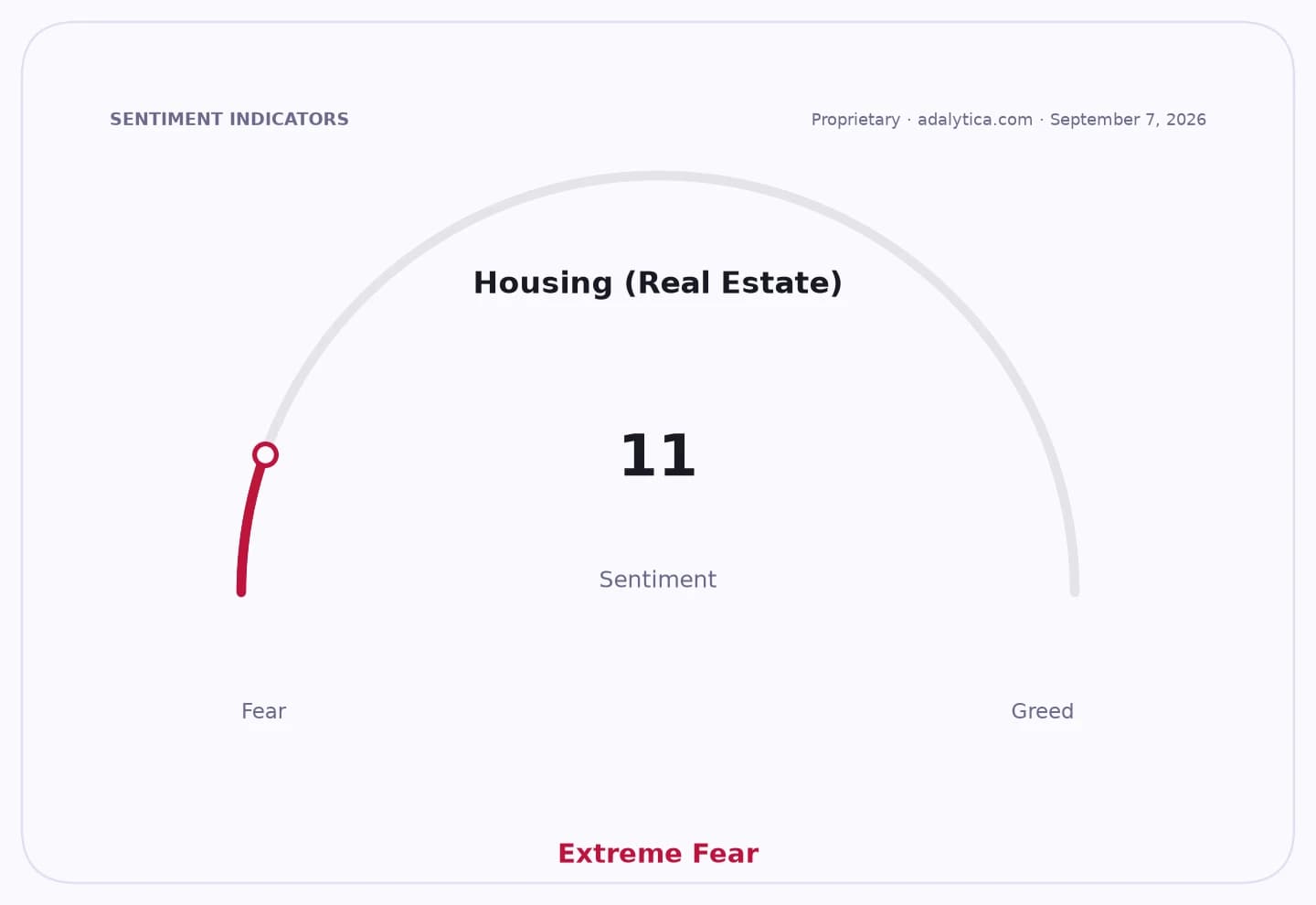
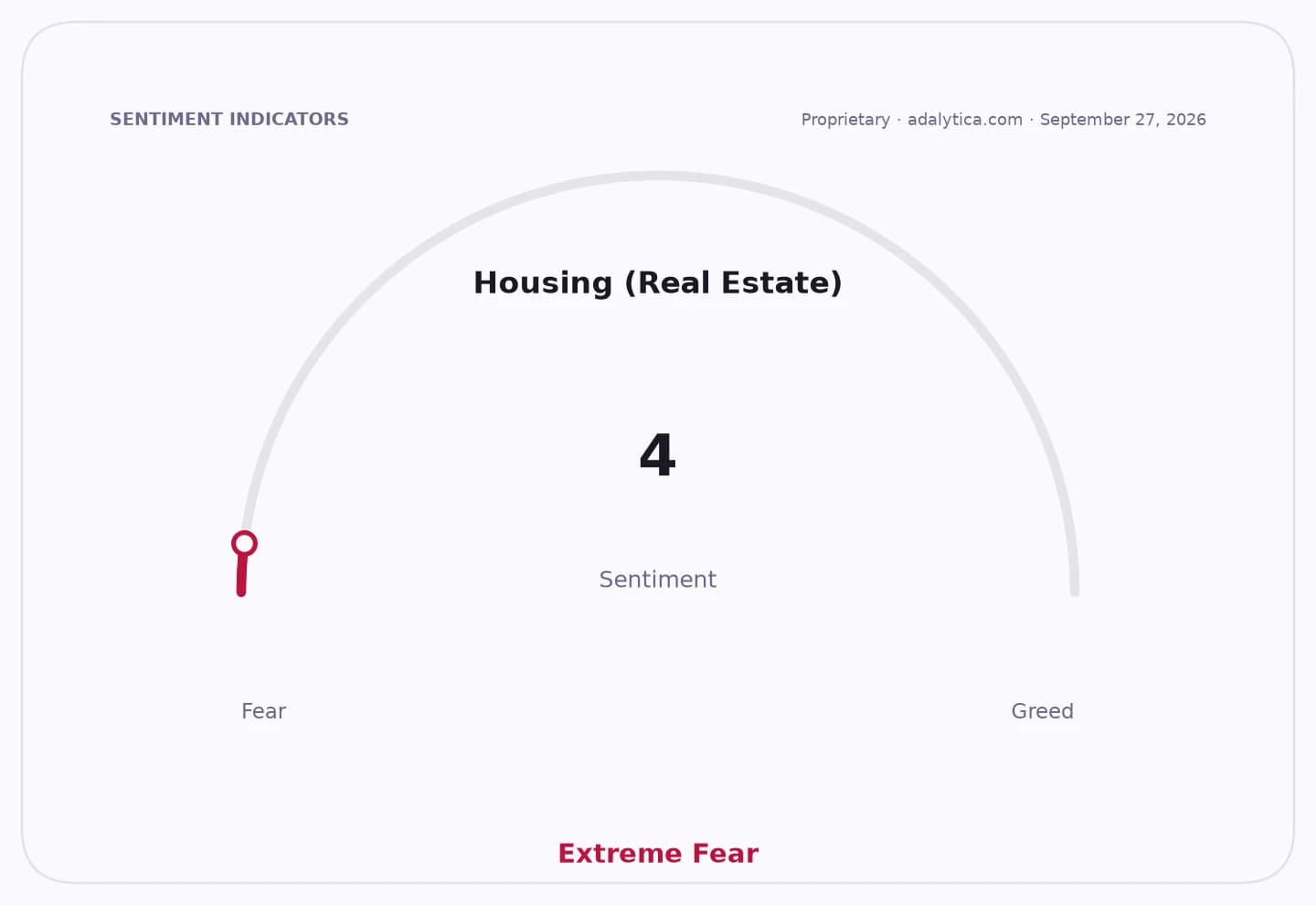
The bigger prize is the REIT market. If more developers move projects into trust structures, they can recycle capital through listed vehicles rather than relying solely on pre-sales and short-term borrowing. That model has been central to the growth of real estate capital markets in more mature economies, where REITs have helped turn illiquid assets into income-generating securities. The news also comes as investor appetite for listed property exposure remains under pressure; the broader housing-related trade is showing deep caution, with Adalytica’s Housing Fear & Greed Index at 4, or “Extreme Fear,” even as the S&P 500 trade signals sit in “Extreme Greed.”
ABAD said its members were actively considering corporatization and REIT registration and agreed to work with SECP on recommendations under the Companies Act, 2017. That suggests the regulator’s outreach is at least getting traction with the industry, though adoption will depend on whether the legal and tax framework can make REITs competitive with the informal financing structures developers already use.
For investors, the key issue is whether Pakistan can build a credible pipeline of corporatized developers and REITs that are transparent enough to attract domestic institutions and, eventually, foreign capital. A successful transition would benefit lenders, listed property vehicles and larger developers with the scale to comply, while smaller informal operators could face higher costs and more scrutiny. If the reforms stall, Pakistan’s real estate sector is likely to remain capital constrained and under-institutionalized, limiting the market’s ability to support sustained urban development.
| Entity | Gains | Losses |
|---|---|---|
| SECP | ▲Formalized market | ▼Slow adoption |
| ABAD developers | ▲Better financing access | ▼Higher compliance costs |
| REIT investors | ▲Listed property exposure | ▼Unclear tax/regulatory risk |
| Informal partnerships | ▲— | ▼Liability and exclusion |