Panama’s decision to steer its Golden Visa toward newly built homes is set to squeeze the country’s resale market, a move that could also reduce fee income and tax receipts just as the housing sector is already under pressure.
Panama Golden Visa shifts to new homes
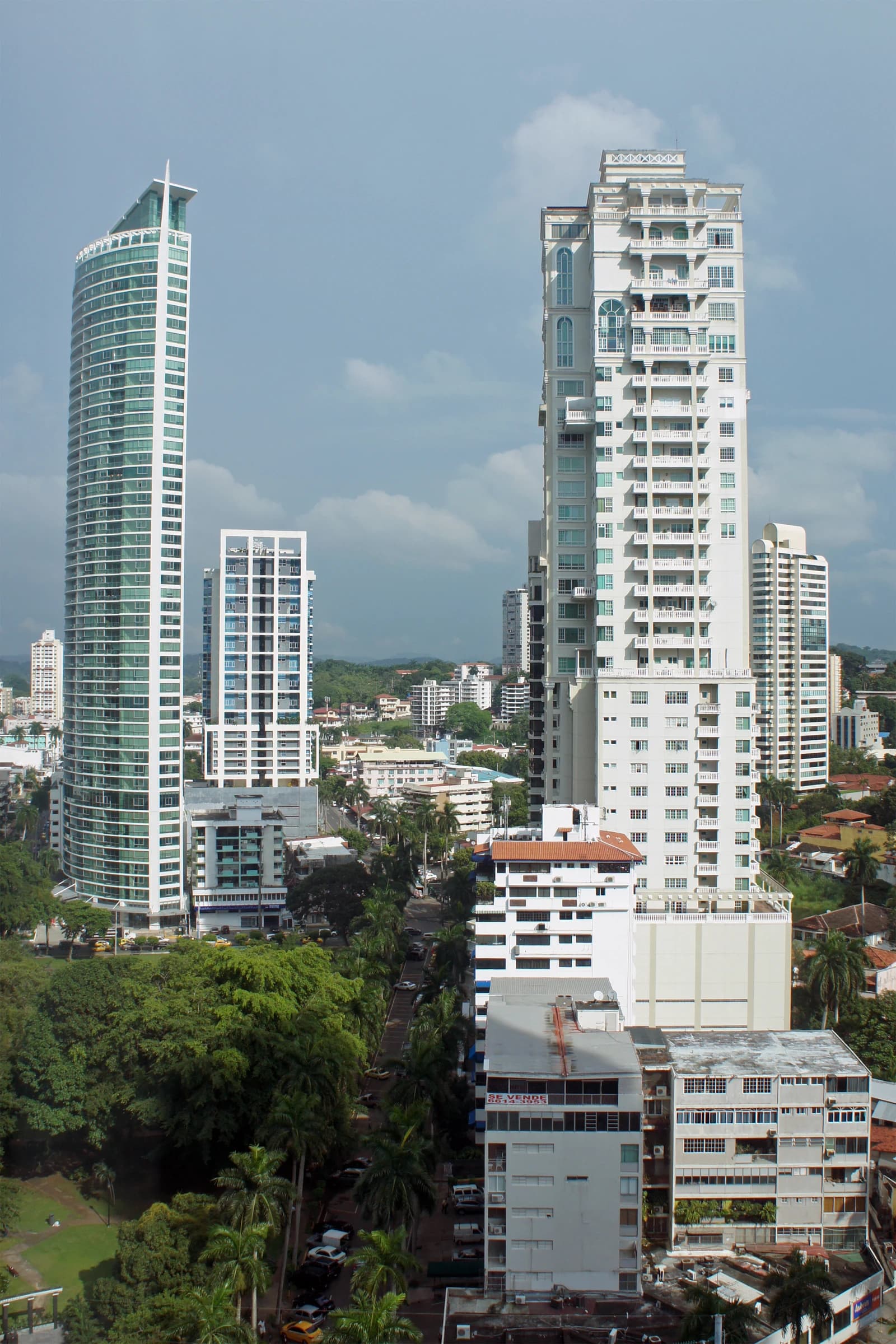
That is the core warning from real estate professionals reacting to Executive Decree No. 17, signed Sept. 8, which narrows the Qualified Investor Visa to new housing purchases. The policy is meant to support construction, but brokers and lawyers say it risks freezing activity in the secondary market, where many local owners and foreign buyers actually transact.
Sentiment IndicatorsⓘProprietary · adalytica.com · September 26, 2026
This is a snapshot — live sentiment, awareness and momentum for 130+ markets update continuously in the dashboard.Open AlphaPulse
The economic stakes are larger than the policy wording suggests. The visa requires a minimum investment of $300,000 and can deliver permanent residency in about 30 days, making it one of Panama’s most powerful property-linked immigration tools. By limiting eligibility to new homes, the government may boost sales for developers in the short term, but it also makes it harder for owners of existing properties to sell, especially in the $250,000 to $450,000 range where the resale inventory is already heavy.
According to one industry estimate cited by the sector, Panama and Panama Oeste have between 18,000 and 22,000 new units, while the resale market has about 30,000 homes sitting in that price band. Those properties are already taking nine to 14 months to move. For foreign buyers who want immediate occupancy or quick rental income, waiting 24 to 36 months for a project under construction is often a non-starter.
That matters for investors because real estate markets depend on liquidity as much as on prices. A healthy resale market helps homeowners trade up, gives builders a source of demand, and supports transactions for brokers, lenders and service providers. If Panama makes resale homes less useful for visa seekers, some capital will simply go elsewhere — to countries with similar residency programs but fewer restrictions.
The fiscal impact could also be meaningful. The Qualified Investor Visa reportedly brings $5,000 to the Treasury and another $5,000 to the repatriation fund for each applicant, far above the fees tied to other residency routes such as the Friendly Nations visa or the own-solvency option. If applicants shift to those lower-cost alternatives, government revenue falls sharply. The same policy could also reduce collections from the 2% property transfer tax and capital gains tax tied to home sales.
For long-term investors, the message is straightforward: Panama is trying to channel demand toward new construction, but the side effect may be a less flexible housing market and weaker resale liquidity. That makes developers the likeliest near-term winners, while owners of second-hand homes and parts of the brokerage chain face more friction. Keep an eye on whether the government adjusts the rule after pushback from the market. In a country where property, migration policy and fiscal revenue are closely linked, small regulatory changes can have outsized effects.
| Entity | Gains | Losses |
|---|---|---|
| New-home developers | ▲More visa-driven demand | ▼— |
| Resale homeowners | ▲— | ▼Slower sales, weaker liquidity |
| Panamanian state | ▲More new-project activity | ▼Lower visa fees and transfer taxes |
| Foreign investors | ▲Faster residency in new builds | ▼Fewer resale options, less flexibility |