Iraq’s housing ministry is preparing legislation to create a real estate developers union, a move aimed at bringing order to a fragmented property market while giving more support to builders considered credible enough to finish projects.
Iraq housing ministry plans real estate developers union

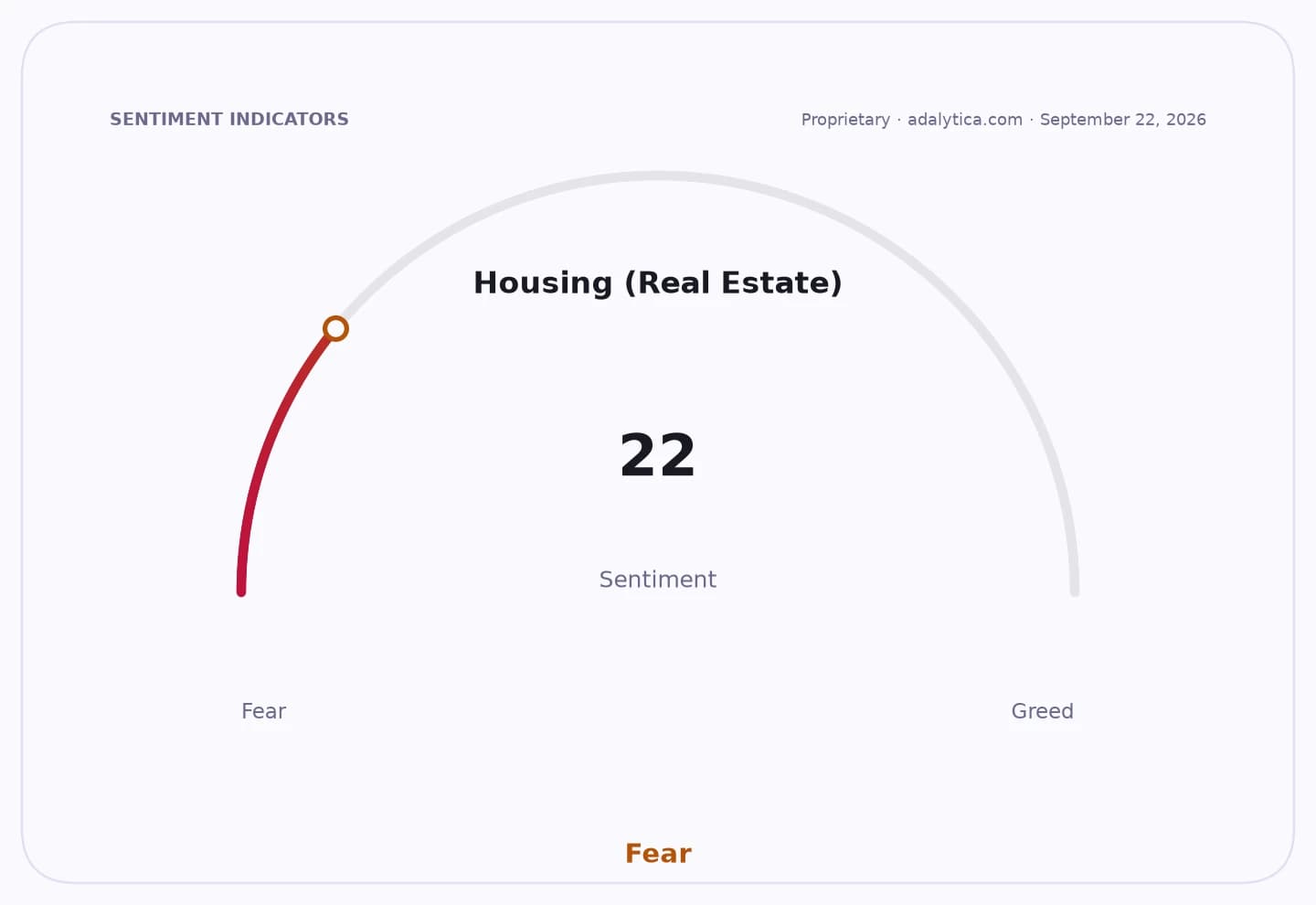
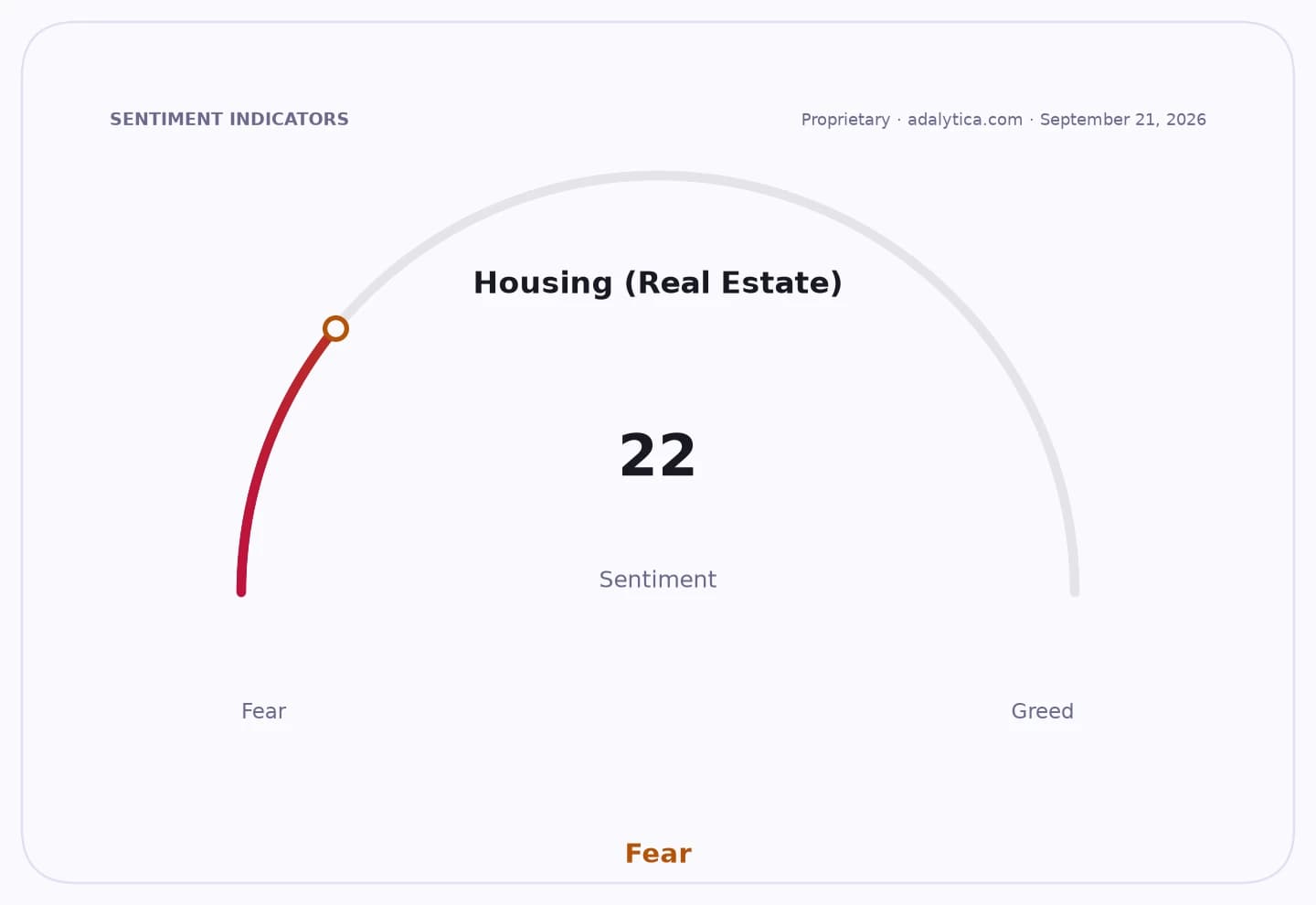
That matters because the housing market is not just a construction story: it is a channel for credit, jobs, land use and household wealth. A stronger regulatory framework could help reduce fraud, improve project execution and make it easier for banks, buyers and developers to price risk in a sector that has been weighed down by weak sentiment and repeated disputes over ownership and approvals.
The proposal also fits a broader effort by the Iraqi government to use policy to steady real estate activity after a period of slowed sales and lingering confidence problems in local markets. For serious developers, a union backed by law could mean clearer standards, better access to permits and a more credible voice in negotiations with the state. For smaller or less transparent operators, it raises the risk of tighter scrutiny and higher compliance costs.
Investors tend to read these moves in two ways. On the bullish side, formal regulation can lower transaction frictions and reduce the kind of uncertainty that keeps capital on the sidelines. On the bearish side, a new union will only matter if it has enforcement power and if ministries actually coordinate on land registration, fraud claims and approval timelines. Without that, the law could become another layer of bureaucracy rather than a catalyst for development.
The timing is notable given the wider regional push to revive property markets through tax incentives and targeted support. In a sector where confidence is often the scarcest input, the government’s message is that it wants to separate developers who can deliver from those who cannot.
For investors, that points to a more selective market ahead: firms with balance-sheet strength, access to land and a record of completion stand to benefit most, while speculative players and those tied to disputed assets may face more pressure.
| Entity | Gains | Losses |
|---|---|---|
| Serious developers | ▲Clearer rules, stronger credibility | ▼Less room for weak peers |
| Homebuyers | ▲Better project quality, lower fraud risk | ▼Fewer low-cost speculative offers |
| Banks and lenders | ▲Better underwriting, lower project risk | ▼More compliance scrutiny |
| Small/unregulated developers | ▲Little | ▼Tighter oversight, higher costs |