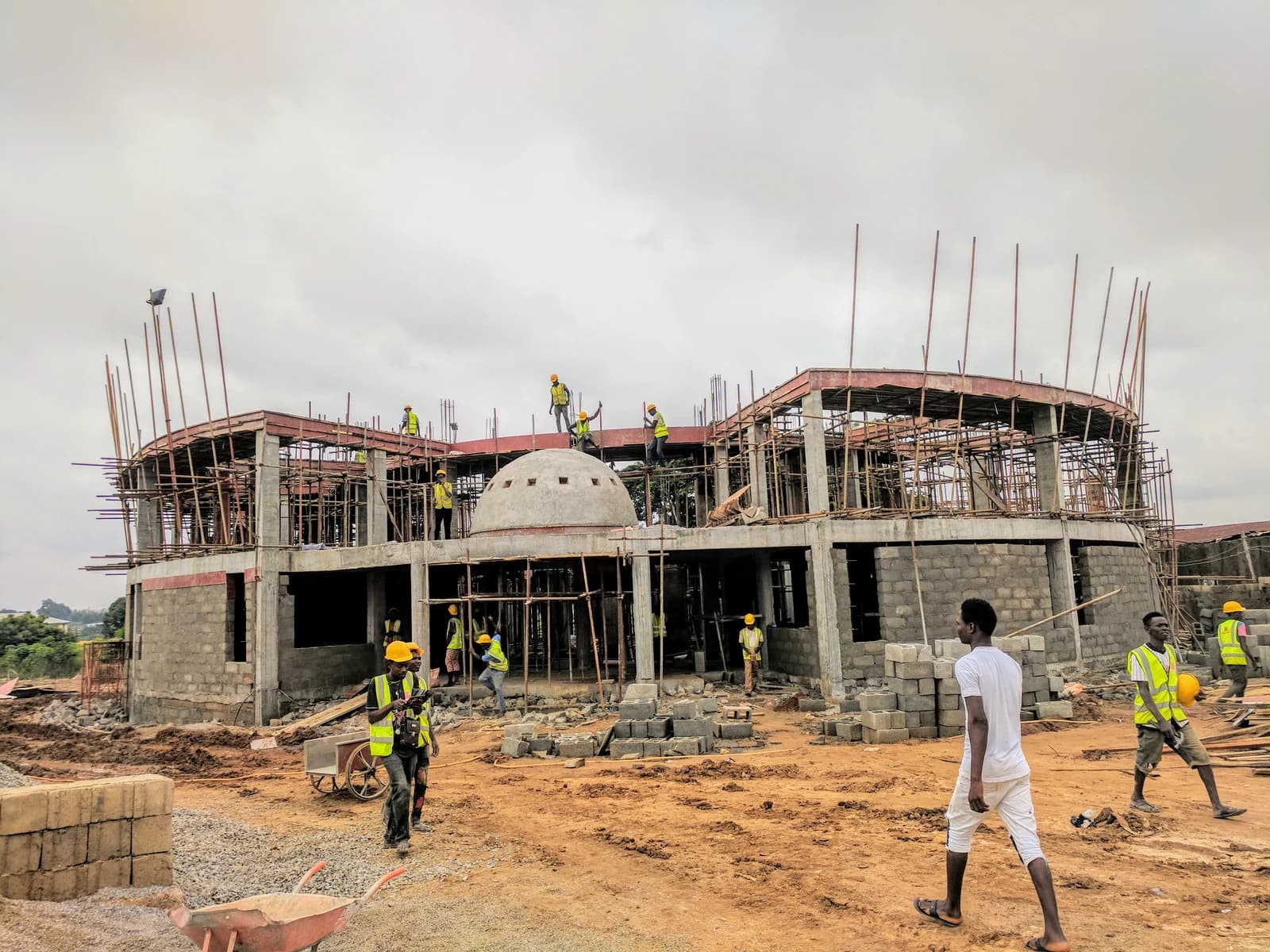
A delay on the Candinegoro Bridge project in Sidoarjo has widened to 28% and now threatens to push completion into the rainy season, raising a bigger question for investors and policymakers: whether Indonesia’s infrastructure pipeline is running into execution risk, not funding risk.
Candinegoro Bridge delay raises execution risk
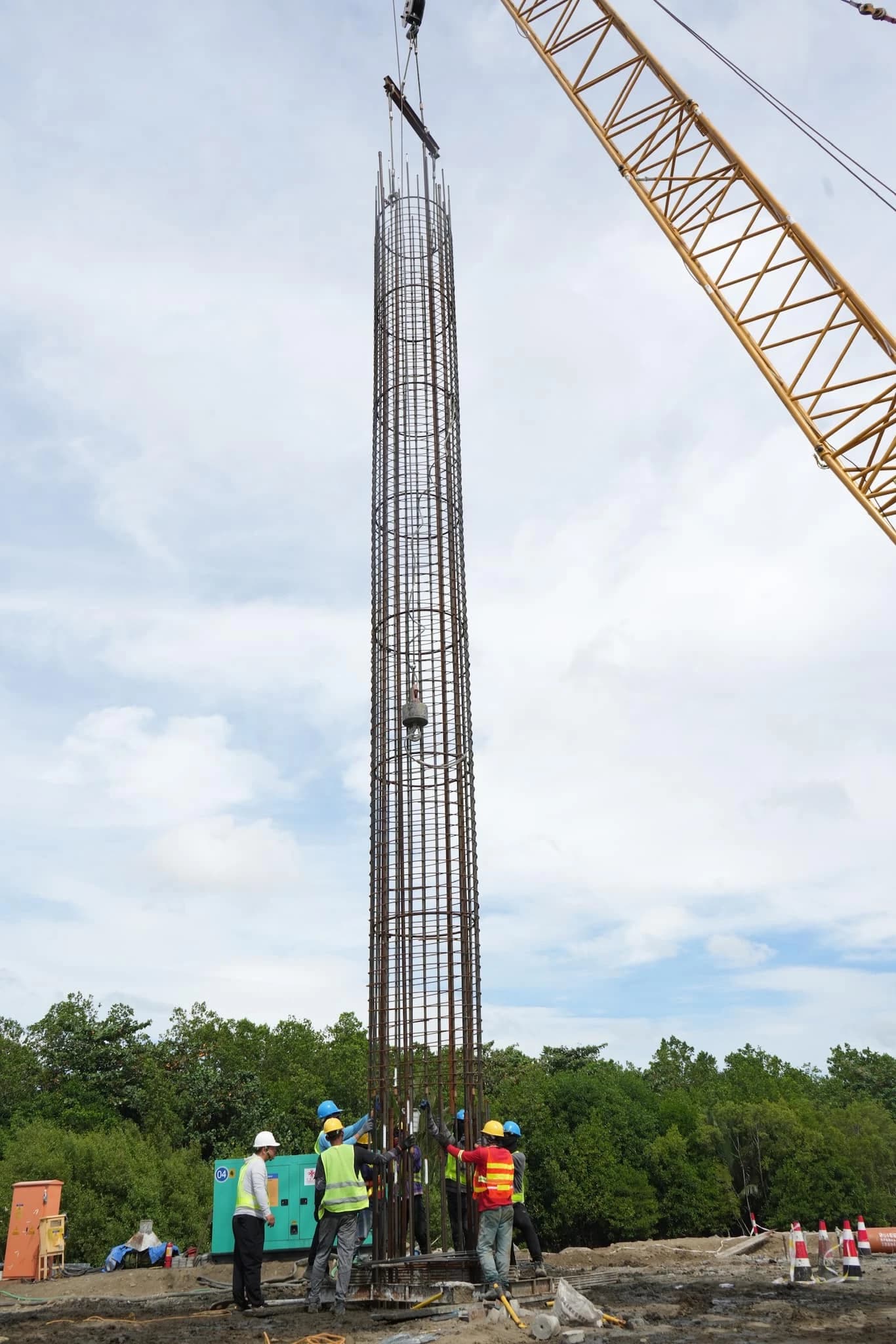
The project was only 17% complete as of Sept. 21, versus a 45% target, according to a surprise inspection by Deputy Regent Mimik Idayana. That gap matters because infrastructure spending only creates economic value when projects are delivered on time, to spec and before weather turns construction into a costlier, slower process. If deadlines slip into November or December, the bridge risks higher repair costs, local disruption and another round of remediation work that can erase the productivity gains the project is meant to unlock.
Sentiment IndicatorsⓘProprietary · adalytica.com · September 25, 2026
This is a snapshot — live sentiment, awareness and momentum for 130+ markets update continuously in the dashboard.Open AlphaPulse
More troubling than the schedule miss was the finding that steel piling material on the project did not match technical specifications. That raises the stakes from ordinary delay to potential quality-control failure, which can trigger rework, contract disputes and public-sector pressure for enforcement. On a Rp1.46 billion budget, even modest overruns or replacement costs can quickly squeeze contractor margins, especially on fixed-price work where every extra day on site eats into profitability.
For investors, the message is straightforward: infrastructure is still a long-term growth theme, but the winners are increasingly the firms that can deliver rather than merely bid. In materials, contractors and equipment suppliers, the market tends to reward backlog growth and public-capex exposure — until project execution slips, when that same exposure becomes a margin risk. That is why the broader construction complex should be watched closely for signs of pricing discipline, jobsite labor availability and procurement quality, not just headline awards.
The story also fits a wider regional pattern of transport bottlenecks and delayed works, from roadworks to bridge repairs, underscoring how infrastructure shortfalls can become an economic drag long after the initial budget is approved. In that environment, the investment case shifts toward companies with proven project management, quality control and balance-sheet strength, while poorly managed contractors face growing reputational and financial risk.
For now, Candinegoro is a small project with a large warning attached: in a market built on infrastructure optimism, execution is becoming the real catalyst.
| Entity | Gains | Losses |
|---|---|---|
| Local residents and commuters | ▲Faster accountability | ▼Longer disruption |
| Quality contractors | ▲Stronger trust | ▼— |
| Weak contractors | ▲— | ▼Rework risk |
| Public budget discipline | ▲Better oversight | ▼Cost overruns |