Spain’s building boom is running into a problem that money alone can’t fix: not enough skilled workers to do the jobs.
Spain construction labor shortage limits output
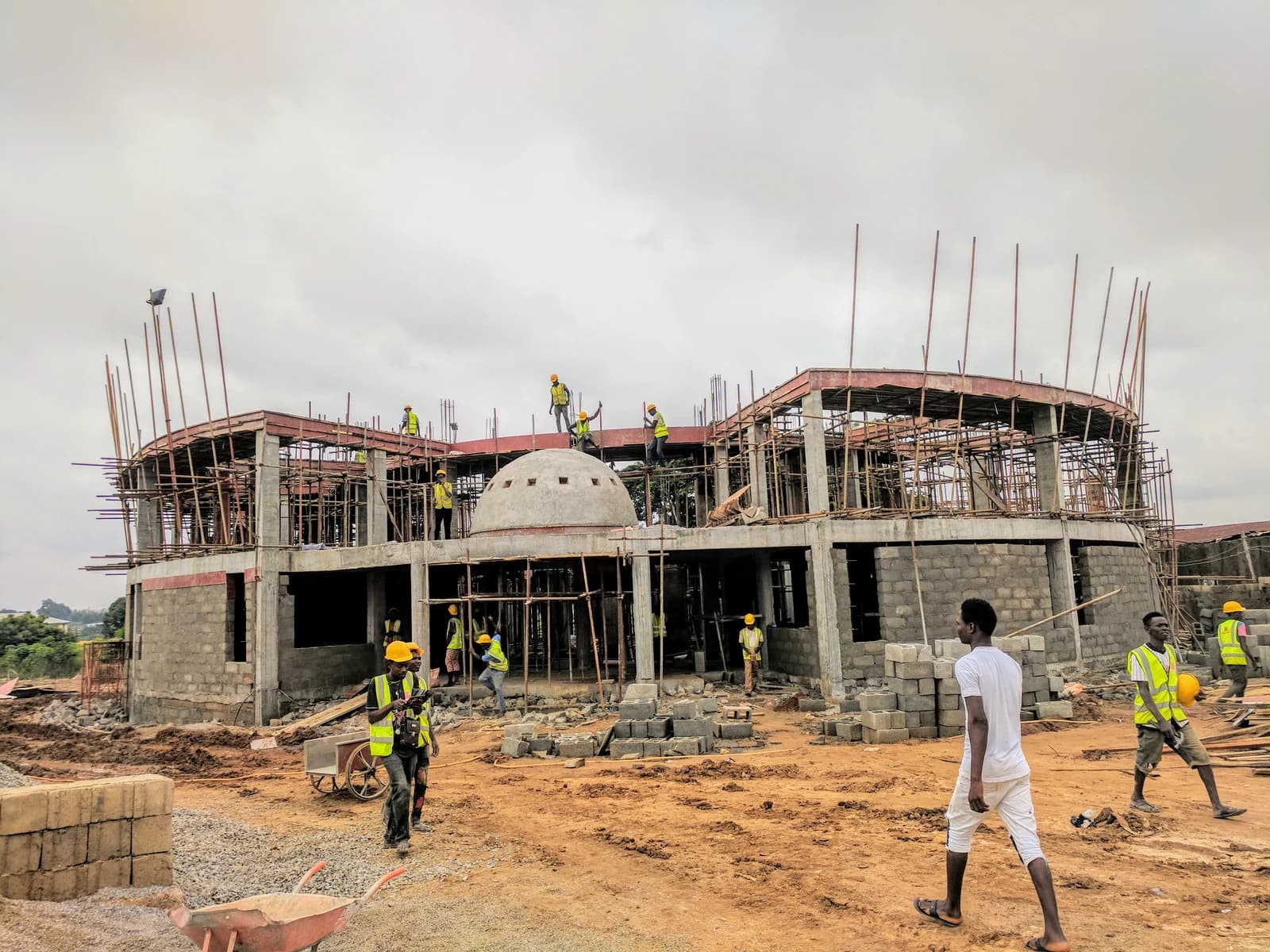
That is the real message behind the account of Hernán Mora, a bricklayer and renovation contractor who says he has a long waiting list of customers but cannot find enough qualified people to staff the work. For investors, that matters because labor shortages do not just slow a single small business — they cap output across an entire industry, keep projects from scaling and eventually squeeze margins, wages and delivery times.
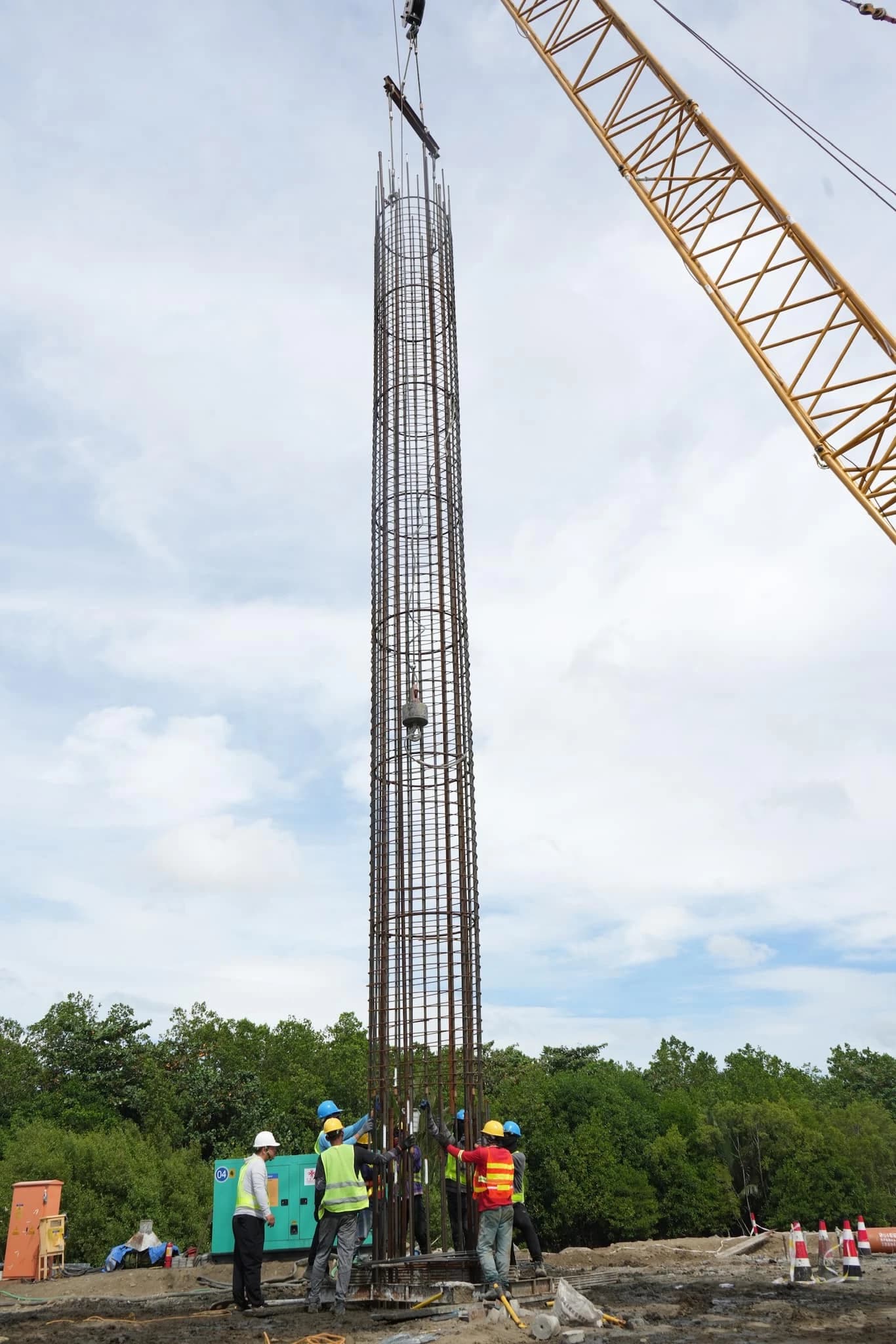
Mora’s story is a useful reminder that the construction sector is often constrained less by demand than by capacity. He says he once managed 19 workers and four simultaneous projects, but today struggles to build stable teams because of high turnover and early absenteeism among hires. In economic terms, that is exactly the kind of bottleneck that turns strong demand into lost revenue: the market wants more homes, renovations and repairs, but the workforce to execute them is missing.
That shortage has broader consequences for Spain. Construction is one of the most labor-intensive parts of the economy, so when trained bricklayers, electricians, plumbers and painters are scarce, the drag spreads beyond a single contractor. Projects take longer, small firms cannot take on new orders, and prices can rise as customers compete for a limited pool of labor. The result is a sector that may look busy on paper but cannot fully convert demand into growth.
The problem also speaks to a deeper structural issue: the absence of younger workers entering the trades. Mora’s experience reflects a lack of succession in the skilled crafts that keep renovation and housing activity moving. If that gap is not closed through training and recruitment, the labor squeeze can become self-reinforcing — fewer workers means fewer projects completed, which can make the industry less attractive to the next generation.
For investors, the long-term takeaway is that labor scarcity can be both a risk and an opportunity. Companies tied to training, productivity tools, prefabrication and construction services with strong hiring pipelines may gain share as smaller competitors struggle to scale. But firms exposed to tight labor markets and low-margin project work could face persistent pressure, even when demand is healthy.
This is why the story matters beyond one bricklayer in Spain. It is a reminder that in construction, the next big constraint may not be demand, financing or materials — it may be people. Investors should keep that in mind and watch which businesses can actually turn orders into completed work over the next several years.
| Entity | Gains | Losses |
|---|---|---|
| Skilled contractors | ▲Higher bargaining power | ▼Can’t scale fast enough |
| Renovation customers | ▲— | ▼Longer waits, fewer choices |
| Large firms with training pipelines | ▲Market share | ▼Smaller rivals |
| Spanish construction sector | ▲Strong demand | ▼Labor bottlenecks |