China is increasingly stepping back from mining projects in Pakistan’s Balochistan province, a warning sign that security, politics and weak project economics are starting to outweigh the appeal of the region’s mineral wealth.
China Mining Firms Pull Back From Balochistan Projects

That matters because Balochistan sits at the heart of Pakistan’s most strategic resource and infrastructure bets, including copper and gold assets tied to Reko Diq and the long-running Saindak project. If Chinese firms are reducing exposure, Pakistan risks losing not just capital but the industrial and technical support it needs to convert buried resources into export earnings, tax revenue and foreign exchange.
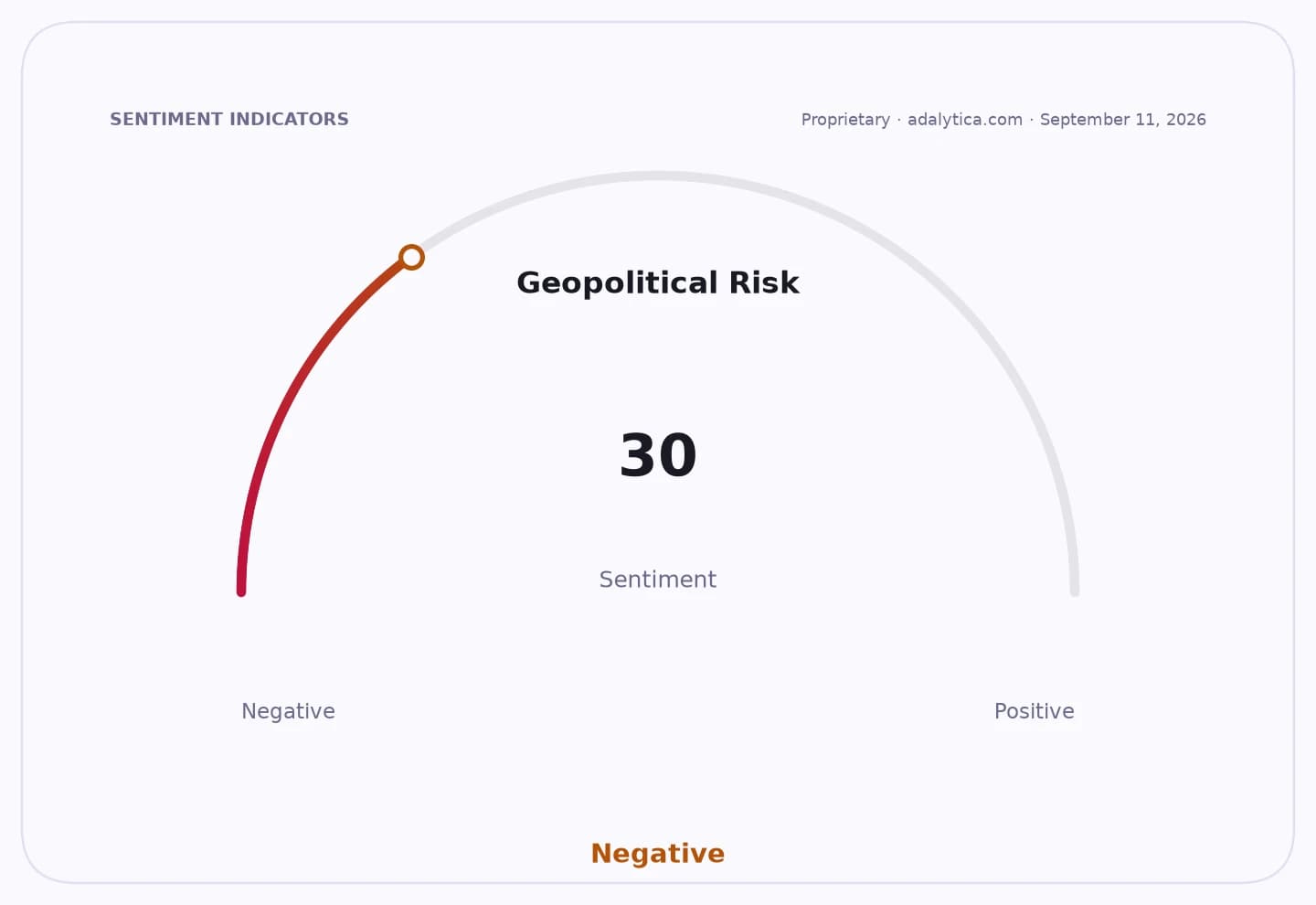
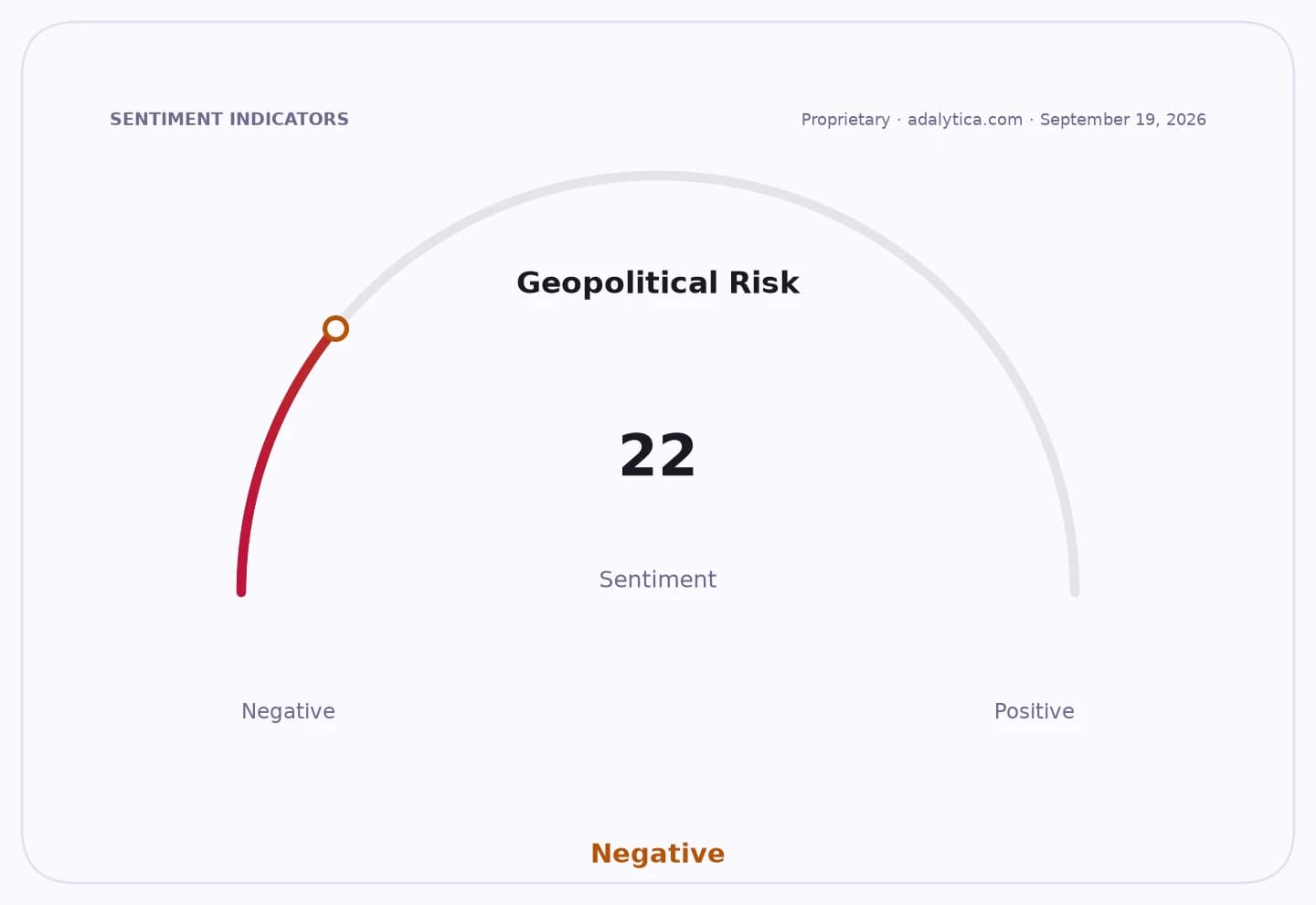
Sentiment IndicatorsⓘProprietary · adalytica.com · September 6, 2026
This is a snapshot — live sentiment, awareness and momentum for 130+ markets update continuously in the dashboard.Open AlphaPulse

The political message is just as important as the commercial one. A senior Pakistani opposition figure is now openly saying Beijing is dissatisfied with Islamabad’s handling of the economy and security environment, and that Chinese companies are quietly withdrawing from key projects. Whether or not every project is fully abandoned, the direction of travel is clear: investors view the province as too unstable for large-scale long-duration bets.
That is an economic problem for Pakistan at a moment when the country is already leaning heavily on IMF and World Bank support. Mining was supposed to be one of the few sectors capable of easing pressure on reserves and narrowing the external deficit. Instead, the sector is being exposed as another channel through which Pakistan’s weak governance, persistent militancy and civil-military dysfunction are limiting growth.

The market implications extend beyond Pakistan. China’s retreat from higher-risk overseas resource projects reinforces a broader shift in capital allocation: Beijing is becoming more selective, favoring jurisdictions where returns are visible and security risk is manageable. For investors, that is a reminder that frontier-resource upside only matters when execution risk is under control.
The security backdrop is still unstable even as Pakistani forces report killing 11 militants across Khyber Pakhtunkhwa and Balochistan. Those gains may help at the margin, but they do not erase the core investment challenge. The real catalyst for a durable rerating would be sustained security, contractual clarity and proof that mineral assets can generate cash rather than headlines.
For investors, the opportunity is not to chase Pakistan’s most politically exposed projects. It is to look for the beneficiaries of capital fleeing fragile resource jurisdictions — and to treat any rebound in Balochistan-linked assets as contingent on a major, verifiable improvement in security and policy discipline.
| Entity | Gains | Losses |
|---|---|---|
| Chinese mining firms | ▲Lower exposure | ▼Frontier project risk |
| Pakistan government | ▲Only if stability improves | ▼Credibility and FX inflows |
| IMF/official lenders | ▲More leverage over reforms | ▼Another weak external story |
| Saindak/Reko Diq-linked projects | ▲Long-term upside if secured | ▼Near-term investment momentum |