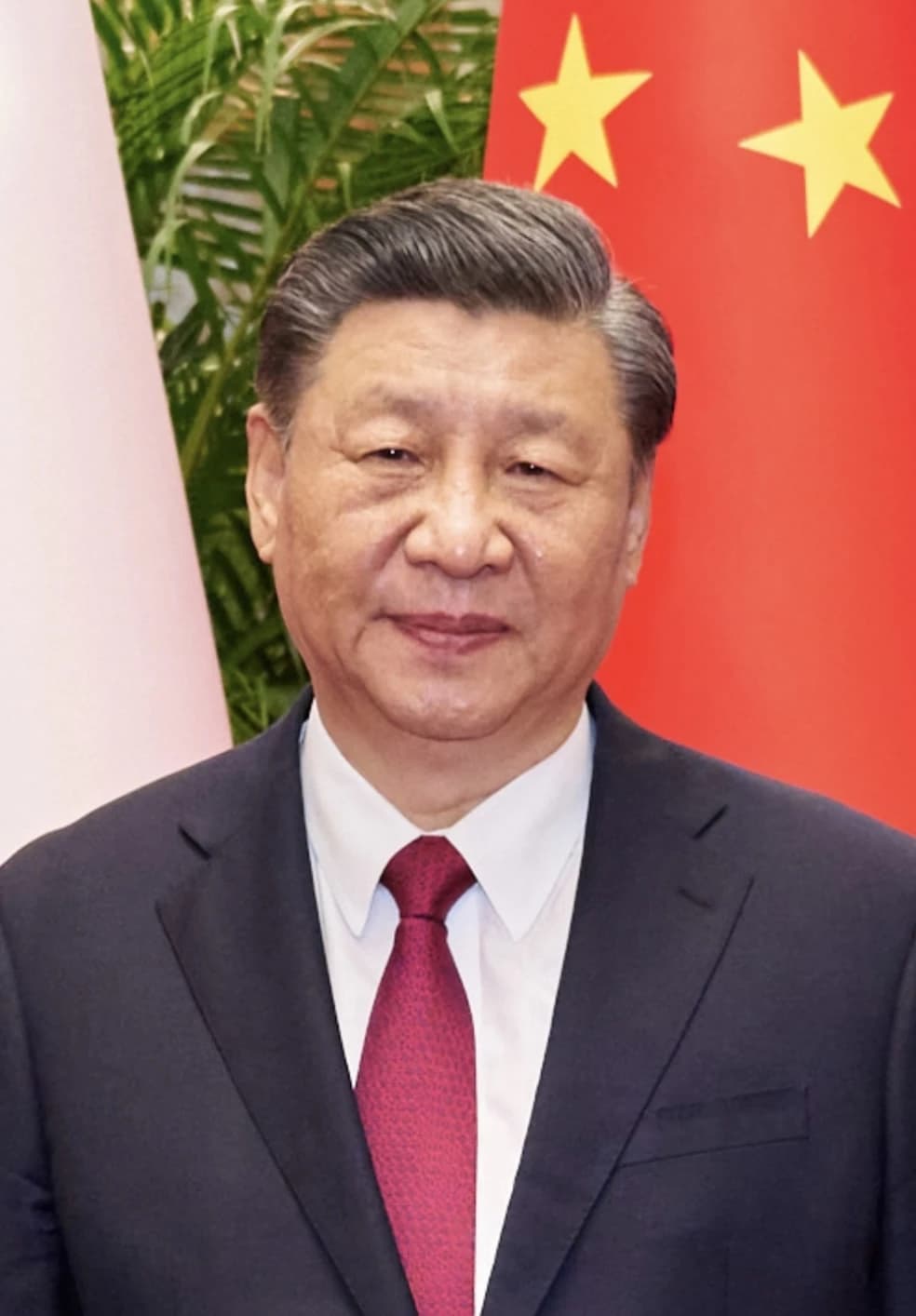
China has appointed Hu Changsheng as Communist Party secretary of Tibet, a move that puts a new loyalist in charge of one of the country’s most strategically sensitive regions and underscores Beijing’s determination to keep tighter political control in an area watched closely by India and human-rights groups.
China Appoints Hu Changsheng as Tibet Party Chief
The change matters because Tibet sits at the center of China’s security perimeter on the Himalayan frontier, where ethnic tensions, border disputes and cross-border military logistics all carry outsized geopolitical risk. Any reshuffle at the top is read less as routine administration than as a signal of how hard Beijing plans to lean on stability, surveillance and ideological discipline in the region.
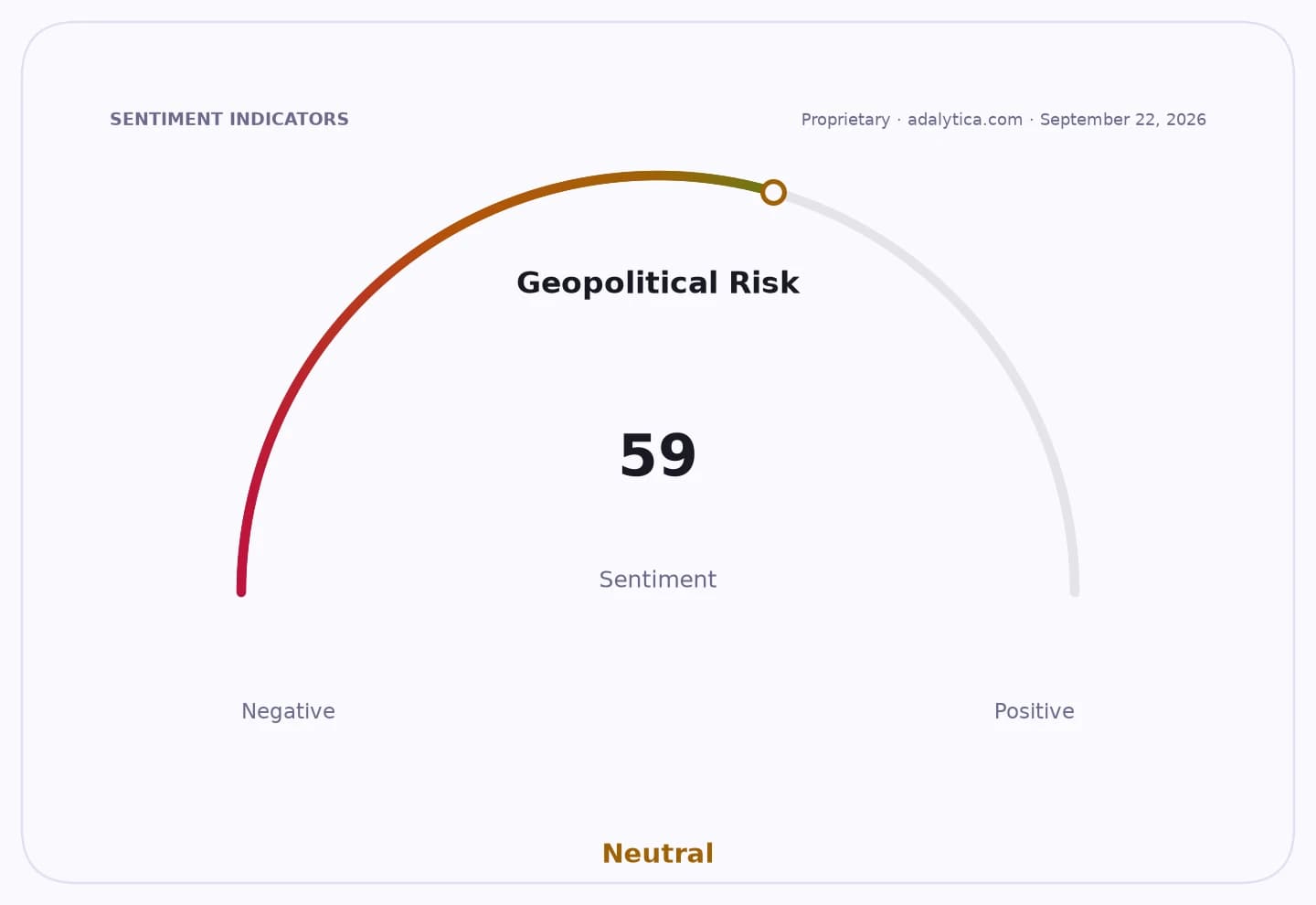
Sentiment IndicatorsⓘProprietary · adalytica.com · September 25, 2026
This is a snapshot — live sentiment, awareness and momentum for 130+ markets update continuously in the dashboard.Open AlphaPulse
For investors, the immediate market impact is indirect but real. Tibet policy can influence China-India relations, which in turn affects risk appetite across defense, commodities, infrastructure and broader Asia ex-China exposure. It also adds another data point to a policy backdrop that remains firmly state-directed, which tends to favor firms aligned with public spending and security priorities while keeping a lid on expectations for liberalization.
The move comes as China’s policy line remains forceful overall, with Adalytica’s China CCP policy direction gauge showing extreme greed at 89 and extreme awareness at 93, while its global stability reading sits at 70, a neutral level. In markets, the iShares China Large-Cap ETF has fallen to $33.96 from $39.76 on Oct. 20, while Hong Kong exposure via the iShares MSCI Hong Kong ETF has slipped to $22.24 from a recent high of $23.30, suggesting investors are still wary of China policy and geopolitical risk even as some technical measures have stabilized.
The broader message is that Beijing is keeping tight control over politically sensitive regions rather than signaling any relaxation. Traders will now watch for any follow-through on Tibet governance, border security posture and whether the personnel shift feeds into a fresh round of friction with India or renewed international criticism over China’s treatment of Tibet.
| Entity | Gains | Losses |
|---|---|---|
| Beijing/CCP leadership | ▲Tighter regional control | ▼Reform expectations |
| Hu Changsheng | ▲Political authority | ▼No clear market benefit |
| India | ▲Limited clarity on policy shift | ▼Greater border vigilance |
| FXI / China equities | ▲Potential policy stability premium | ▼Geopolitical risk discount |