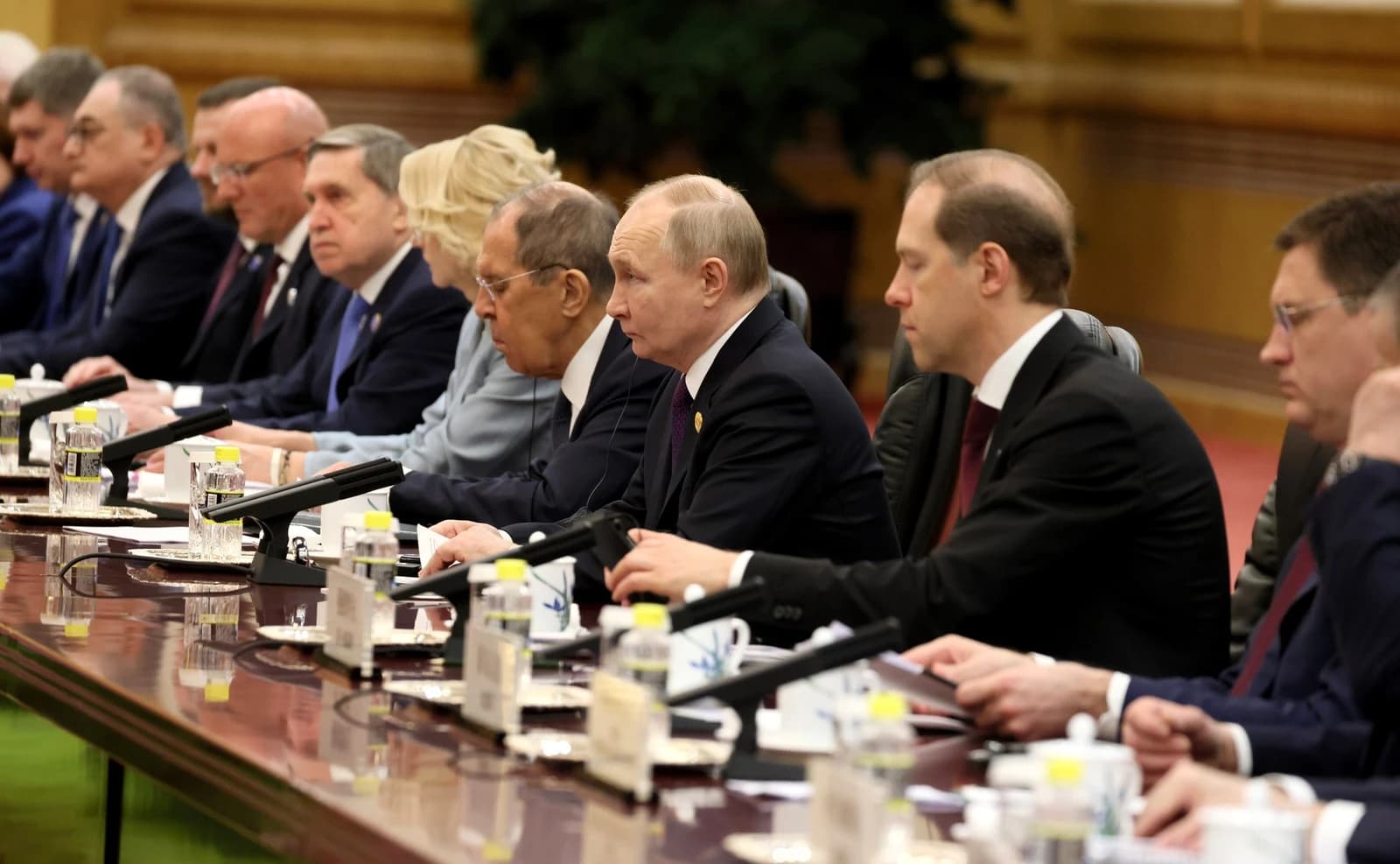
Ajit Doval used an IIT Roorkee convocation speech to revisit an early intelligence mission tied to China, underscoring how border surveillance, map errors and detainee risks shape India’s security calculus on the Himalayan frontier.
India China border risk in Doval speech
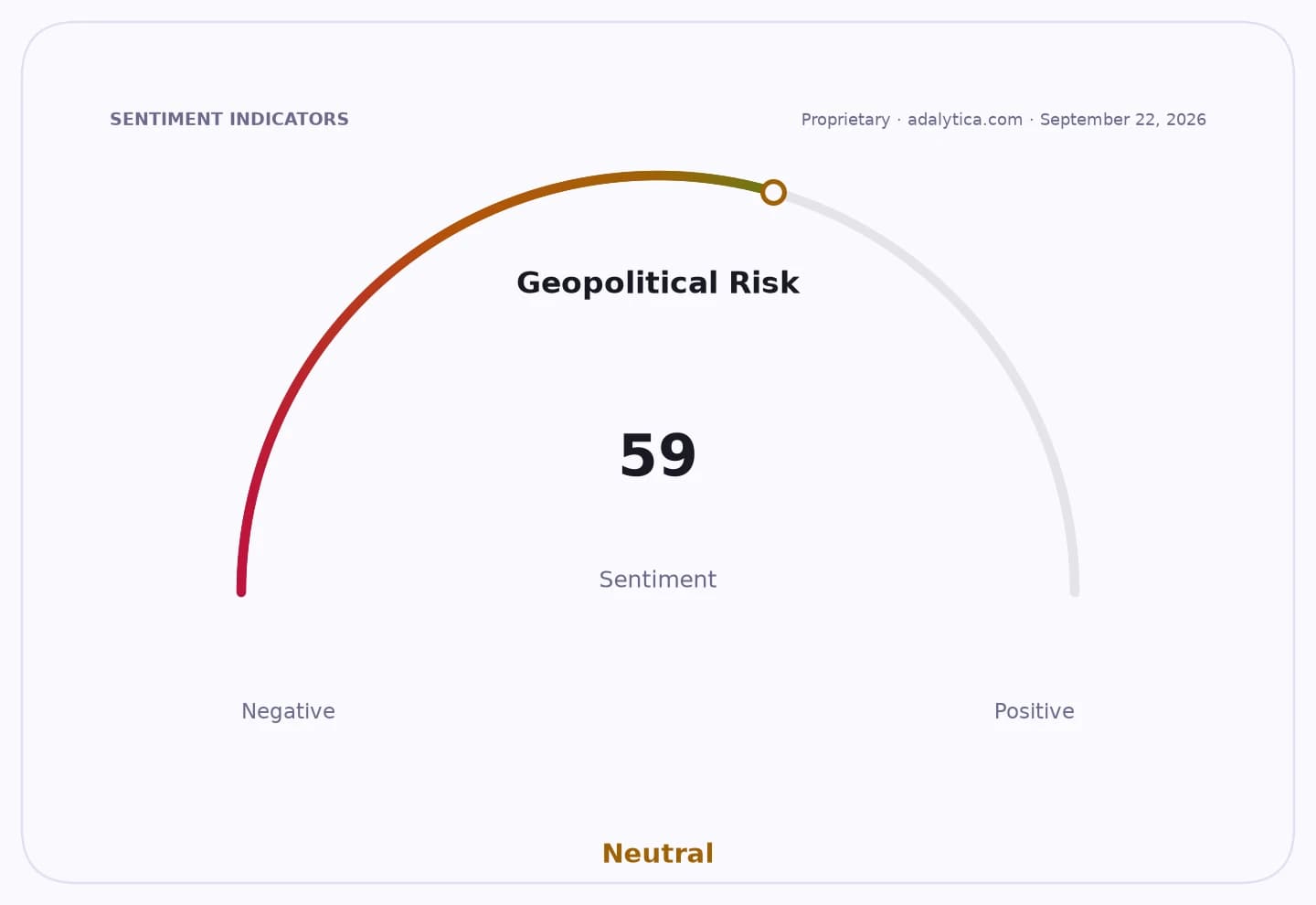
The national security adviser’s account matters because India’s China policy is built not just on diplomacy, but on intelligence, terrain control and the ability to manage incidents before they escalate into military or political crises. For investors, that keeps the India-China border a live geopolitical risk for sectors exposed to defense spending, infrastructure buildout in border states and any disruption to supply chains or trade sentiment.
Sentiment IndicatorsⓘProprietary · adalytica.com · September 22, 2026
This is a snapshot — live sentiment, awareness and momentum for 130+ markets update continuously in the dashboard.Open AlphaPulse
Doval said that as a young IPS officer in Sikkim, he was responsible for intelligence on border areas and the People’s Liberation Army. He described a mission in which his team failed to return on time and was later found to have been detained by Chinese authorities before being released after talks or an understanding.
He said the episode nearly convinced him his career was over, but an inquiry later found he was not at fault. Instead, he said, errors in maps and sketches provided by headquarters contributed to the incident, a reminder of how difficult terrain and flawed information can magnify operational risk along the frontier.
The story also fit a broader message about decision-making in uncertain environments. Doval said a Tibetan Sherpa later told him life, like map reading, comes down to knowing where you are, where you need to go and how to get there — a line that has taken on added resonance as India and China remain locked in a long-running strategic rivalry.
The remarks come as China remains central to India’s security planning and as geopolitical watchers track any change in the tone of bilateral ties. For markets, any easing or deterioration in India-China relations can influence defense procurement expectations, risk appetite and the outlook for cross-border economic friction.
| Entity | Gains | Losses |
|---|---|---|
| India’s security establishment | ▲Operational caution | ▼Complacency |
| China’s border posture | ▲Leverage in signaling | ▼Trust with India |
| Defense and surveillance firms | ▲Procurement demand | ▼Delay in spending |
| Investors in India risk assets | ▲Clarity on border risk | ▼Sudden escalation risk |