Intelligence inputs suggest Pakistan’s ISI and Dawood Ibrahim-linked networks are preparing a fresh, multi-route drug smuggling push into India, a development that could finance terror groups, strain security agencies and complicate an already aggressive anti-narcotics crackdown.
India Drug Smuggling Routes Expand, Intelligence Says
The warning matters economically and for markets because narcotics trafficking is not just a law-and-order issue: it feeds illicit finance, distorts local economies, and raises the cost of policing, border control and internal security. Indian officials say the next couple of months could be particularly difficult as smugglers adapt to tighter enforcement with new routes, including land, sea and drone-based channels.
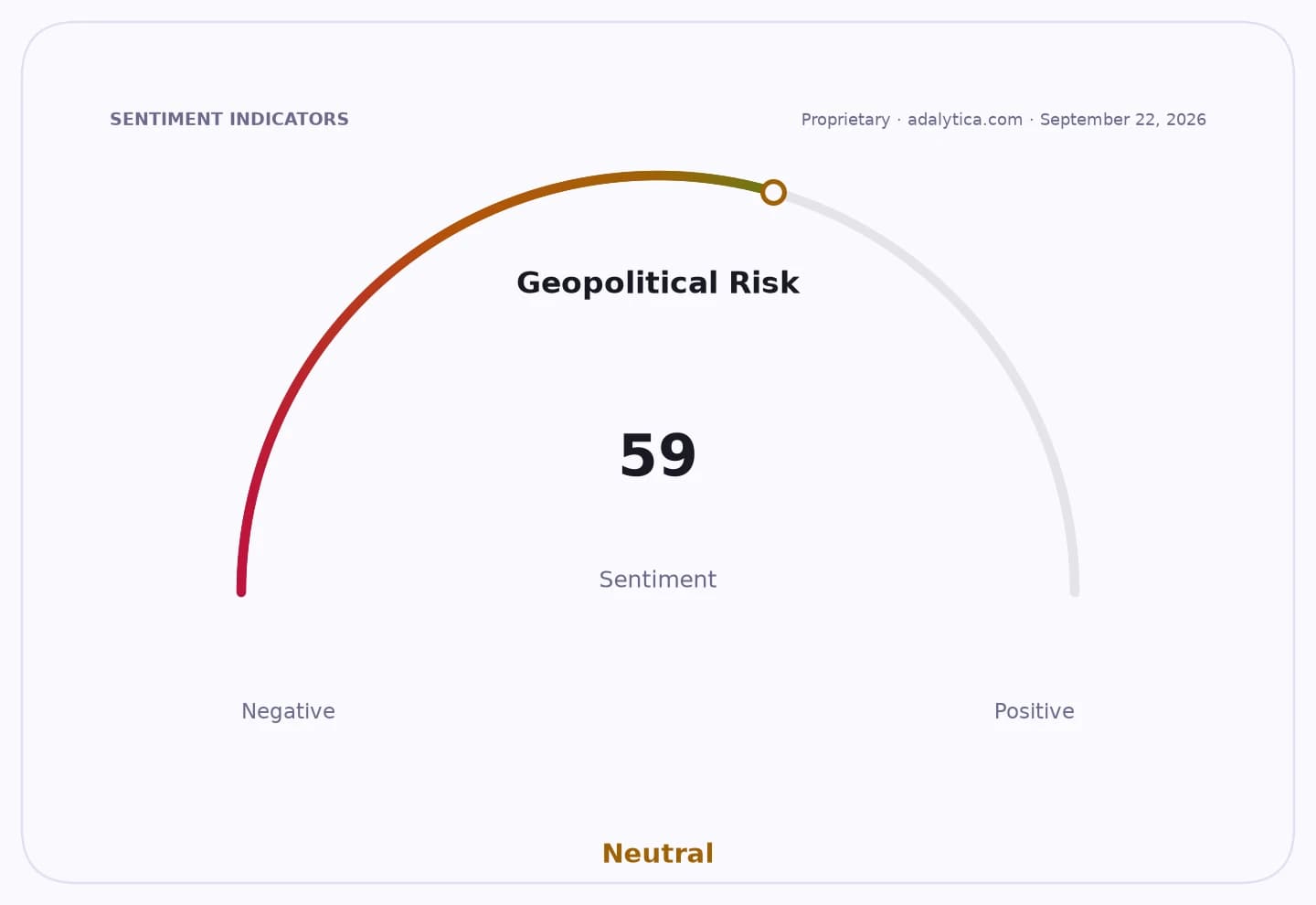
Sentiment IndicatorsⓘProprietary · adalytica.com · September 20, 2026
This is a snapshot — live sentiment, awareness and momentum for 130+ markets update continuously in the dashboard.Open AlphaPulse
According to the intelligence inputs cited by Indian media, a Lahore meeting last month discussed expanding shipments into India through the Punjab and Jammu and Kashmir borders. Officials also said the network is looking beyond those routes, including possible links with cartels in the Golden Triangle spanning Myanmar, Laos and Thailand, as well as operations in southern India.
That shift would widen the challenge for Indian agencies, which have already disrupted several networks and forced traffickers to recruit more carriers inside the country. Officials said cartels are under pressure as law enforcement has stepped up seizures, arrests and extraditions of high-profile traffickers, including Salim Dola.
The scale of enforcement underlines why traffickers may be changing tactics. Indian agencies registered about 8.75 lakh drug cases and arrested 10.97 lakh people between 2014 and 2026, compared with 1.95 lakh arrests in the prior decade. In 2025 alone, 747 foreign nationals were arrested in drug-related cases, up from 660 in 2024.
For investors, the story is a reminder that cross-border criminal flows can spill into logistics, port security, border infrastructure and regional stability, even if there is no direct company-level market impact. Any escalation would keep pressure on Indian security spending and could weigh on sentiment around trade routes and supply-chain risk in border states.
The broader narrative is that India’s anti-drug campaign is forcing trafficking syndicates to become more decentralized and more sophisticated, while security agencies are trying to stay ahead of a network that appears willing to use multiple corridors and local recruitment to keep product moving.
| Entity | Gains | Losses |
|---|---|---|
| Indian security agencies | ▲stronger case for enforcement | ▼higher border workload |
| Drug traffickers / smugglers | ▲chance to diversify routes | ▼more disruption from raids |
| Terror-linked networks | ▲potential illicit funding | ▼greater surveillance pressure |
| Border states and local communities | ▲more security attention | ▼higher trafficking risk |