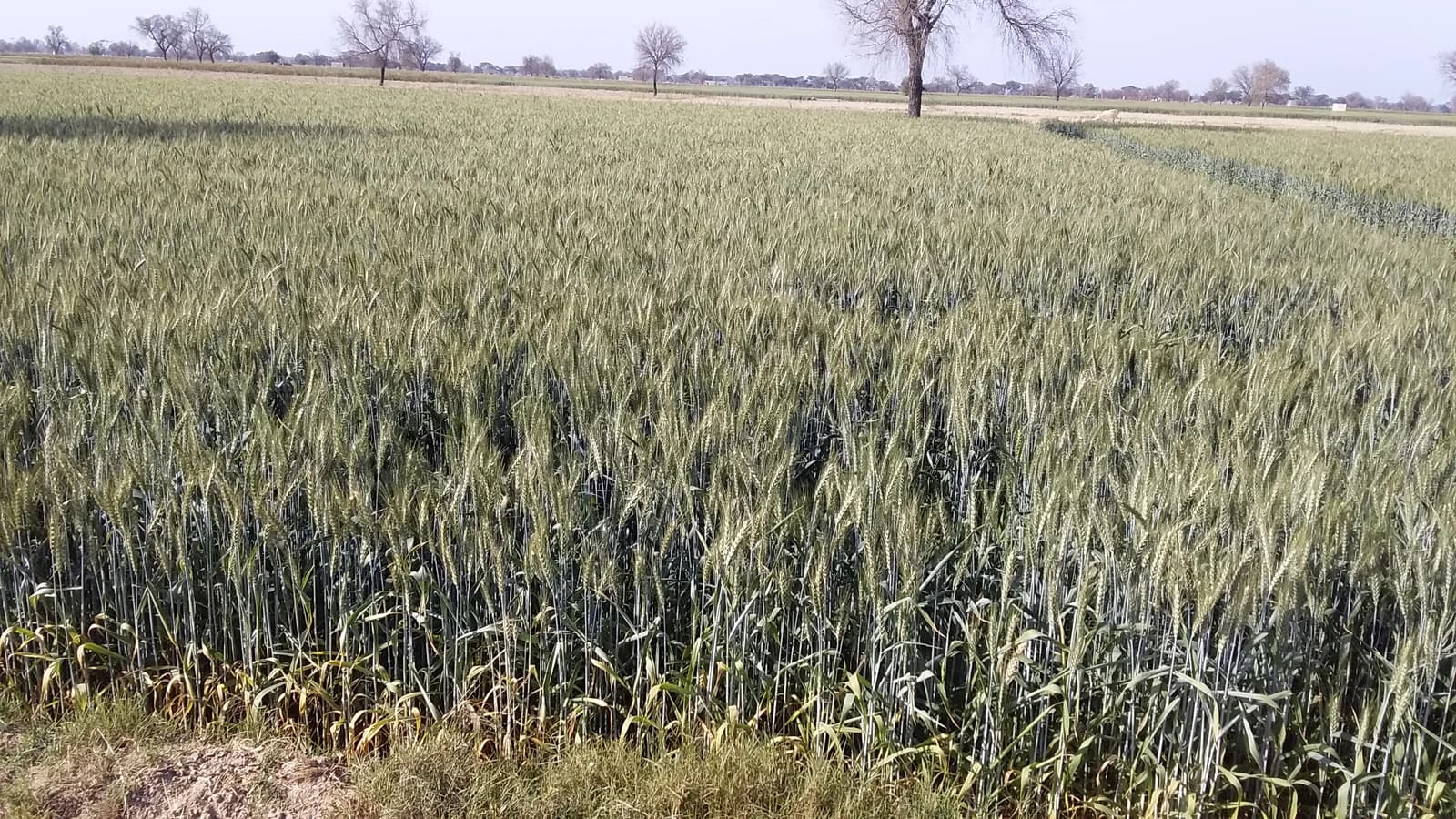
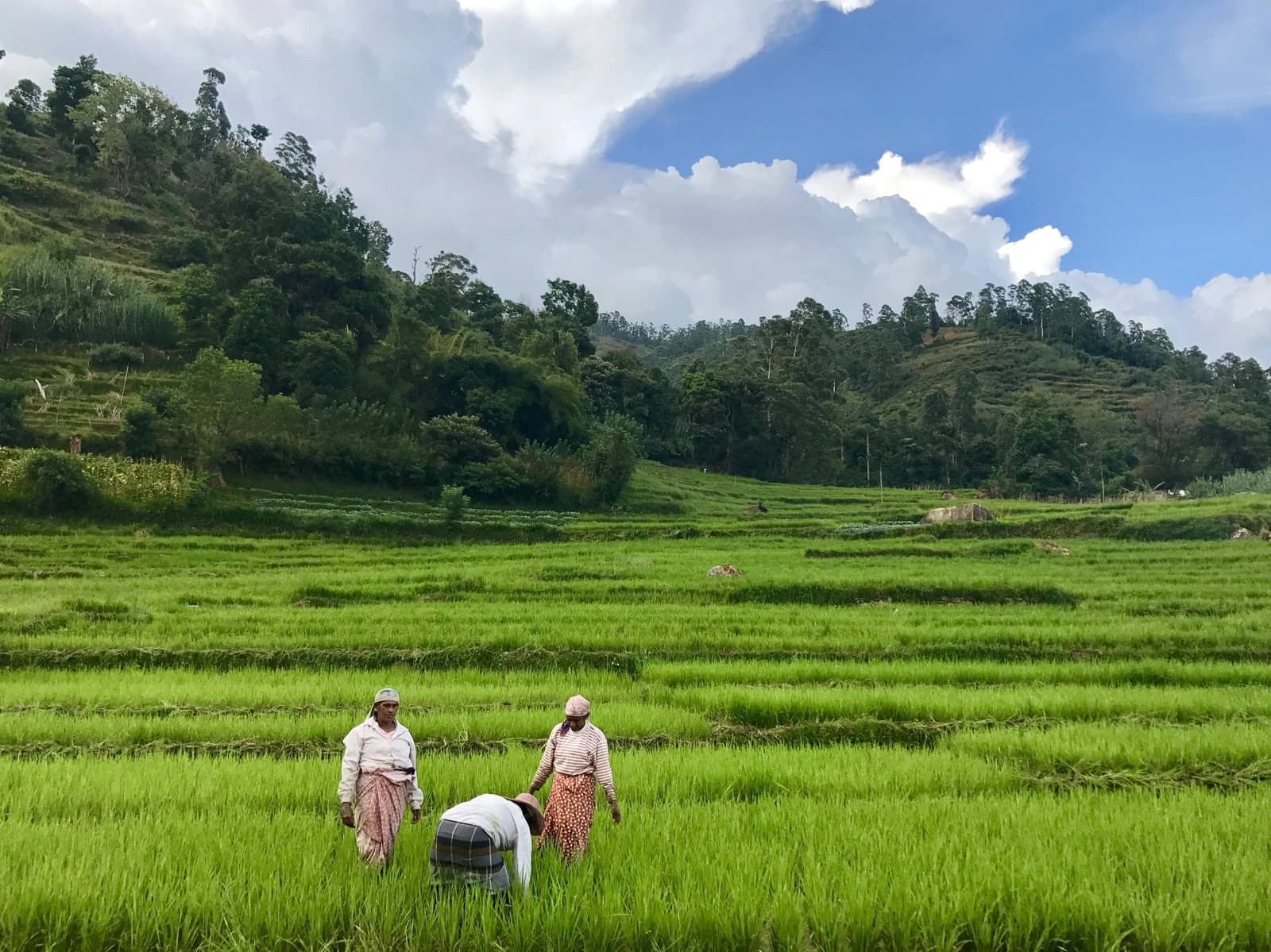
Punjab’s paddy procurement season is heading into a political and logistical test, with commission agents pressing the Patiala deputy commissioner to start government buying from October 1 and speed up lifting of last season’s wheat crop before new arrivals pile up.
Punjab paddy procurement starts October 1 demand
The demands underscore how much the harvest calendar matters to farmers, arhtiyas and millers alike: any delay in procurement can quickly choke mandis, raise carrying costs and disrupt cash flows across one of north India’s most important grain belts. Early lifting of the old wheat stock is especially critical because the same storage, transport and labour network is reused across successive crop seasons.
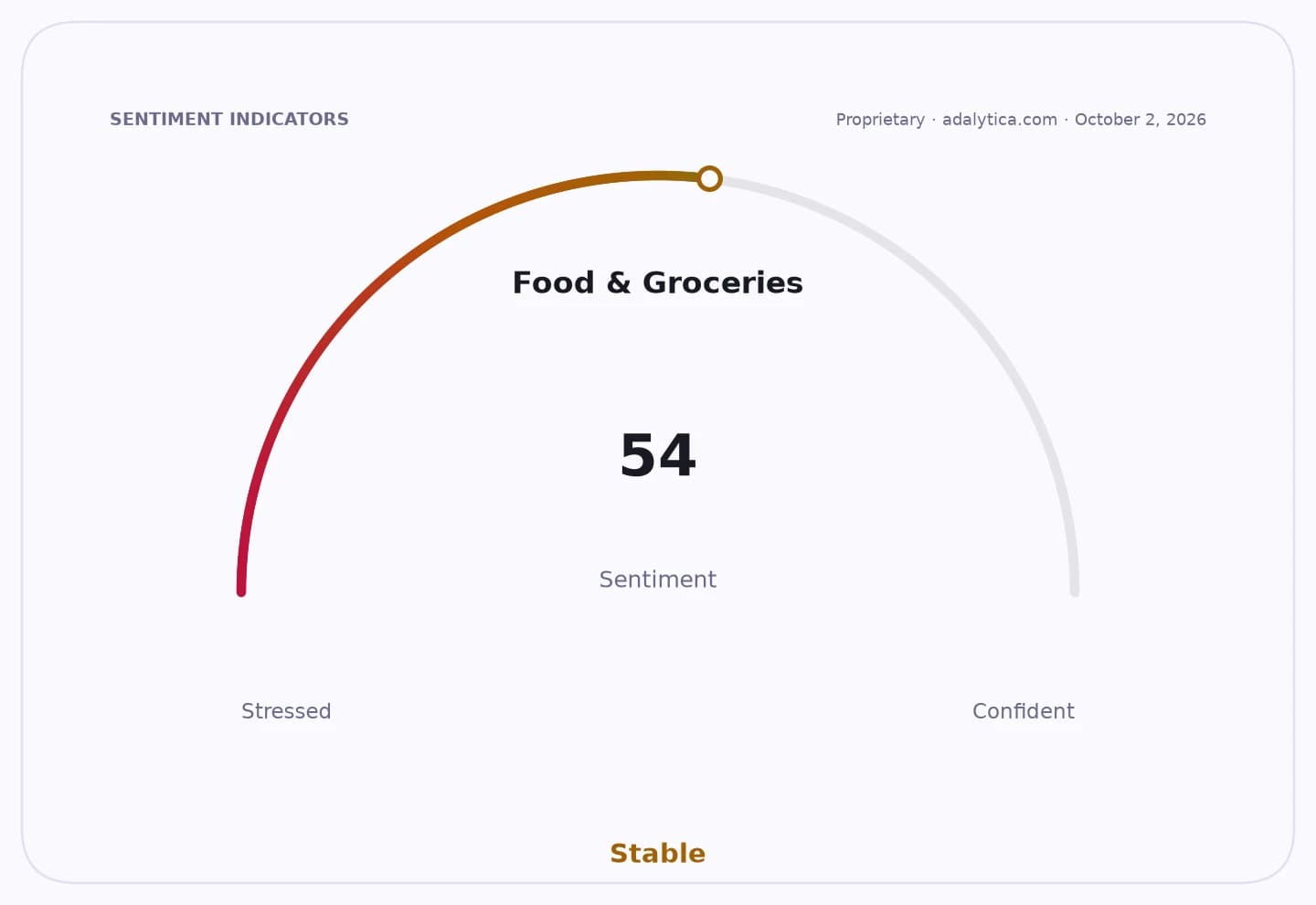
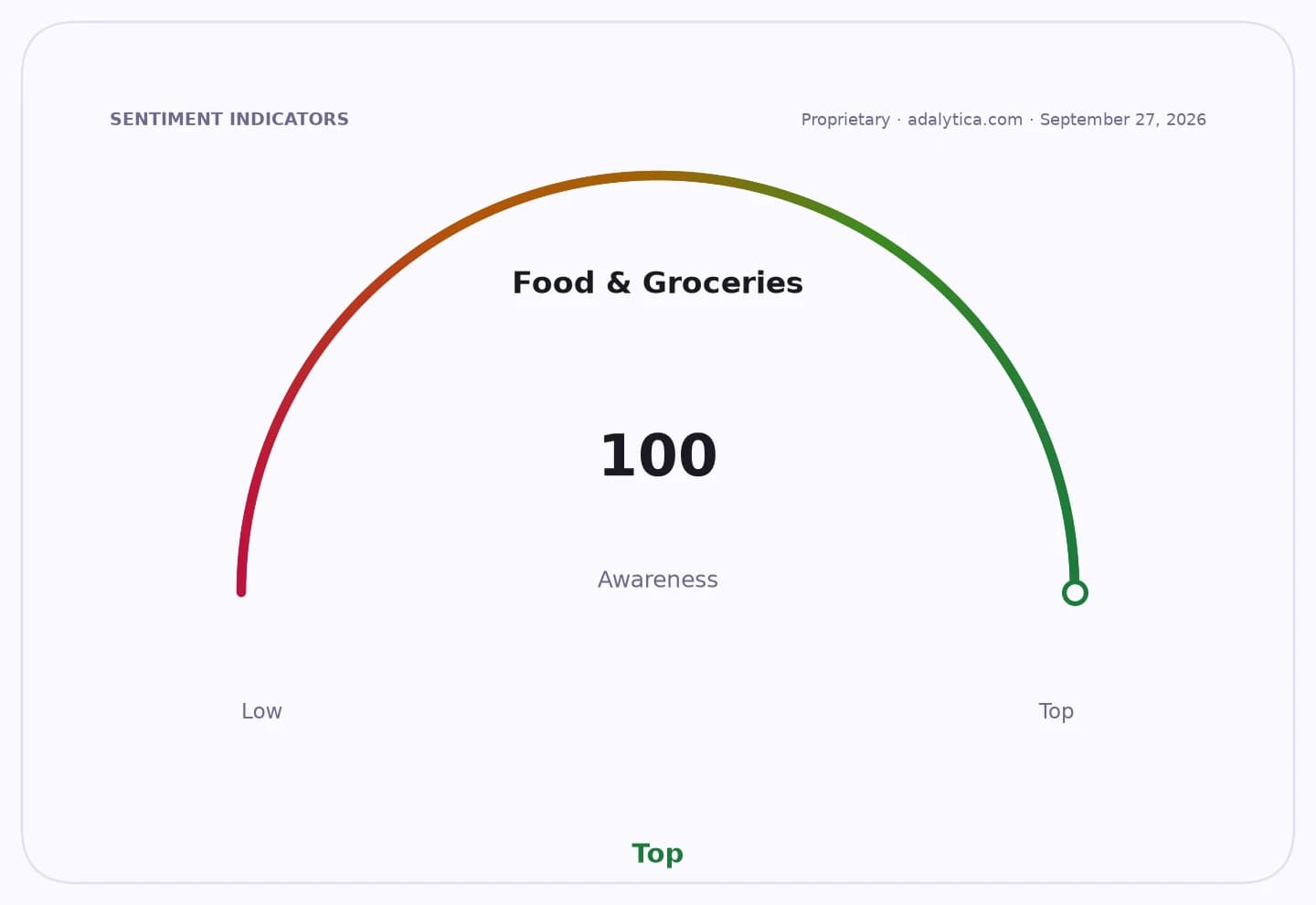
Sentiment IndicatorsⓘProprietary · adalytica.com · September 27, 2026
This is a snapshot — live sentiment, awareness and momentum for 130+ markets update continuously in the dashboard.Open AlphaPulse
District commission agents, led by association chief Davinder Baidwan, also submitted a memorandum seeking smoother preparations for the new season. Their call for an earlier procurement window reflects a recurring concern in Punjab’s grain economy that even a short lag in official buying can leave farmers exposed to price pressure and local bottlenecks.
For investors, the story matters less as a direct market event than as a read on state procurement execution, rural liquidity and food supply chain stability. Faster procurement supports farm incomes and government foodgrain offtake, while delays can add stress to warehouse operators, transporters and rice millers tied to Punjab’s paddy cycle.
The timing also matters for inflation watchers because paddy procurement feeds into rice availability and broader food supply management. Any breakdown in storage or lifting could ripple through local grain trade, while a smooth start would help keep the harvest season orderly.
The next catalyst is whether state authorities move quickly on the October 1 procurement demand and clear old wheat stock ahead of paddy arrivals. A swift response would ease pressure on mandis; a delay would risk the familiar harvest-season congestion that traders say can unsettle the entire chain.
| Entity | Gains | Losses |
|---|---|---|
| Farmers | ▲Faster payments | ▼Crop congestion |
| Commission agents | ▲Smoother mandi flow | ▼Delayed procurement |
| Punjab government | ▲Orderly buying season | ▼Storage pressure |
| Rice millers and transporters | ▲Predictable volumes | ▼Operational bottlenecks |