Paddy farmers in Türkiye’s Artvin province are starting the autumn harvest, keeping a small but culturally important rice supply alive with hand-cutting, stone milling and seed-saving methods that stand in contrast to industrial grain production.
Türkiye Artvin Rice Harvest Uses Traditional Methods
In Yusufeli’s Köprügören village, producers are cutting ripe paddy with sickles at daybreak, bundling the stalks, drying the grain for several days and then pounding it in stone mills before it reaches the table. The work is still done largely through “imece,” a local mutual-aid system in which neighbors rotate through each other’s fields, preserving a labor model that reduces cash costs but depends on community availability.
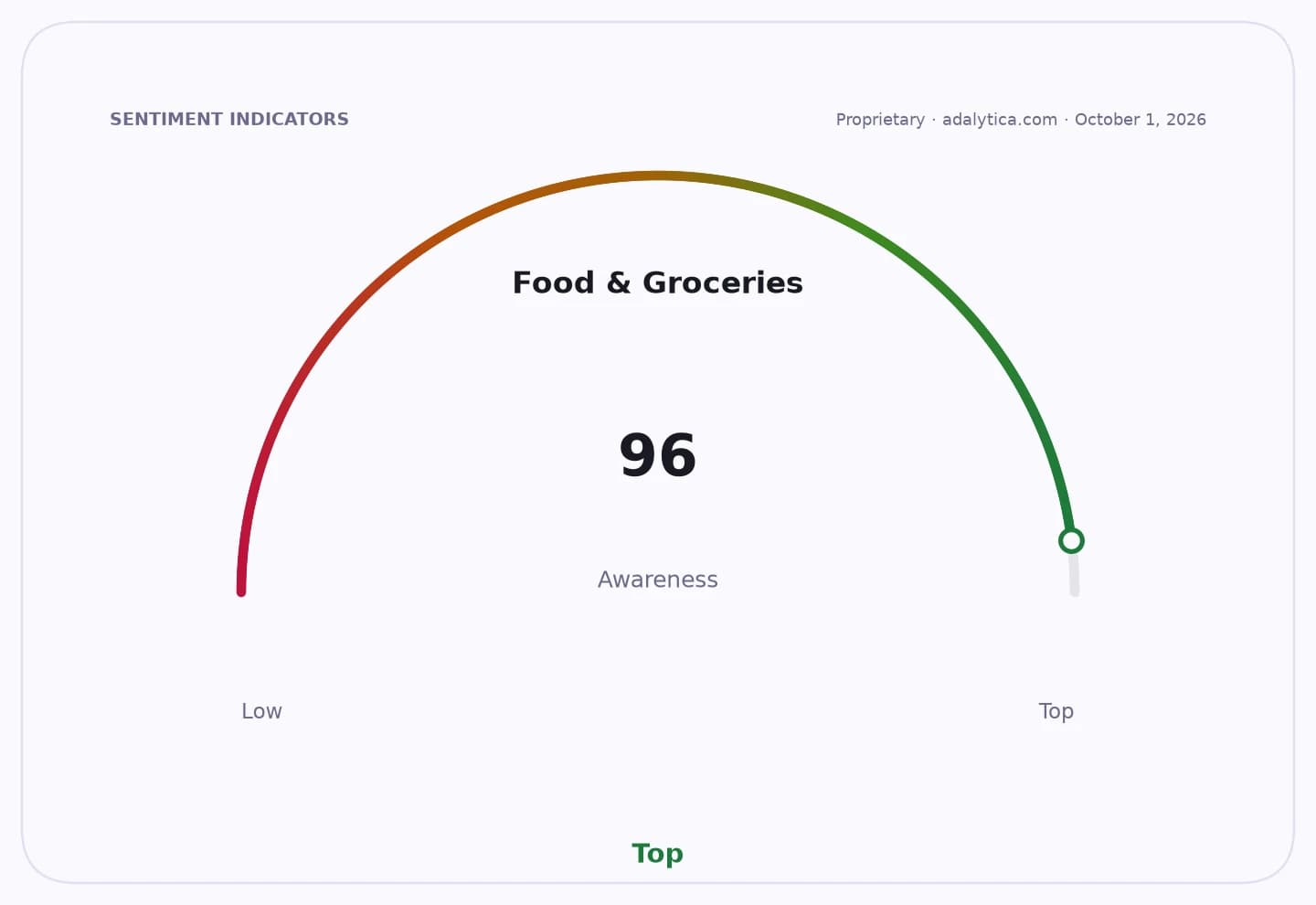
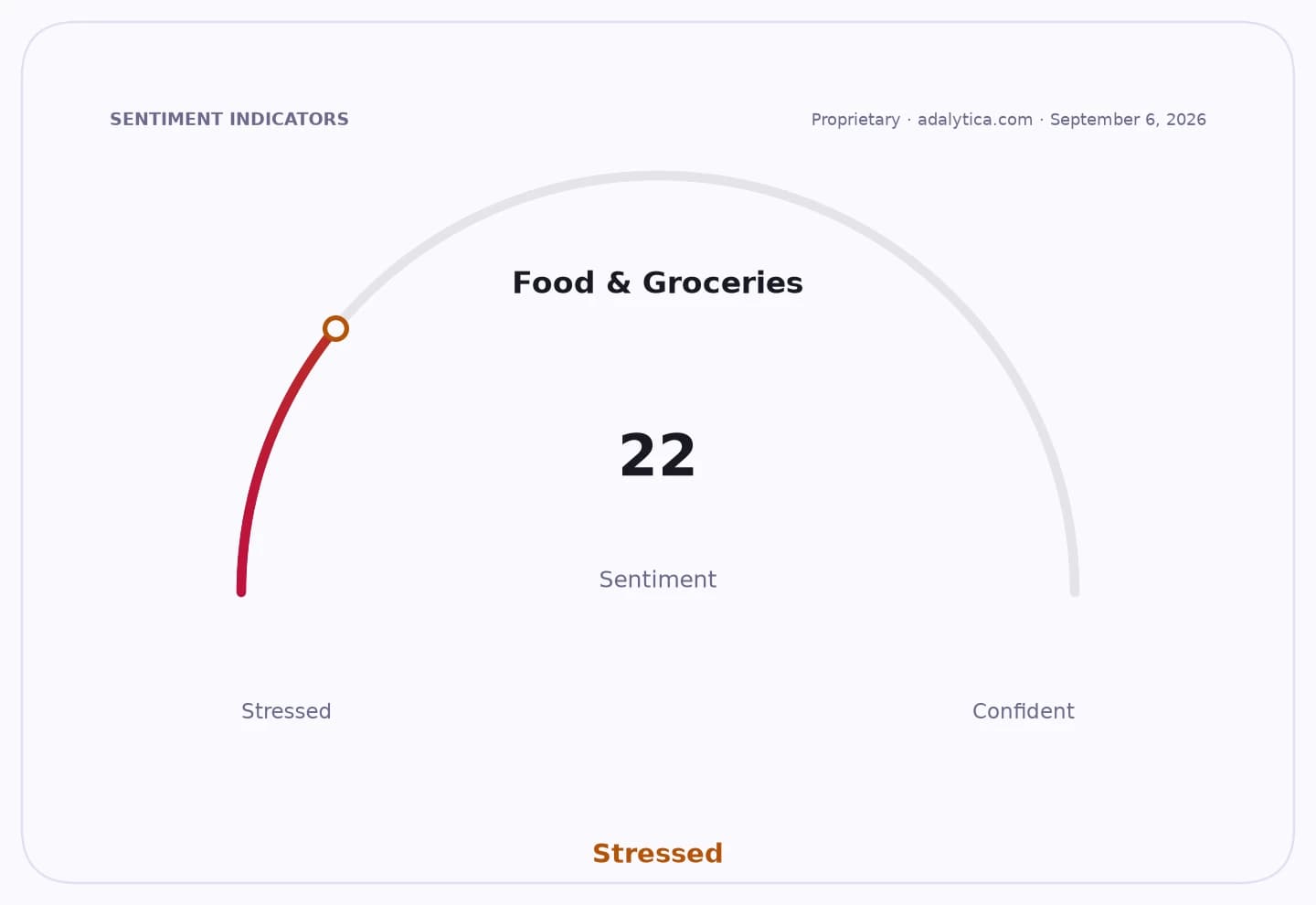
Sentiment IndicatorsⓘProprietary · adalytica.com · October 2, 2026
This is a snapshot — live sentiment, awareness and momentum for 130+ markets update continuously in the dashboard.Open AlphaPulse
That matters economically because rice in the Eastern Black Sea is not a bulk commodity story so much as a rural income and self-sufficiency story. Emine İnce, a 43-year-old producer, said the crop has been grown in the area for centuries using ancestral seeds, with planting beginning in May and continuing until November, and water cut about 10 days before harvest. She said last year’s crop sold for about 150 to 200 lira per kilogram, while her own field produced roughly 200 to 300 kilograms of rice.
The numbers point to a fragmented, high-value niche rather than large-scale output. Most of the rice is consumed by farming families themselves, limiting volumes for the market but helping households offset food spending at a time when inflation and food affordability remain key pressure points across Türkiye.
Investor relevance is indirect but real. Smallholder harvests like Artvin’s illustrate how local agriculture can be insulated from industrial supply chains, but also how vulnerable it is to labor shortages, weather and water management. The continued use of traditional seed and manual processing supports local branding and premium pricing, yet it also caps scale and makes the crop less able to absorb shocks from rising input costs or climate volatility.
For broader agribusiness investors, the story underscores a familiar divide: mechanized grain and oilseed producers are the volume game, while mountain and village farming remains a resilience-and-preservation trade-off. In markets, that distinction matters for food inflation, rural incomes and regional demand for farm equipment, irrigation and small-scale milling services.
The next test for Artvin’s growers is whether this year’s harvest can match last year’s yields and prices as weather, water access and local labor availability determine how much of the crop reaches households and nearby buyers.
| Entity | Gains | Losses |
|---|---|---|
| Artvin paddy farmers | ▲Household rice supply, local income | ▼Labor-intensive work, low scale |
| Village consumers | ▲Fresher local rice, traditional taste | ▼Dependence on small harvests |
| Local food buyers | ▲Premium regional product | ▼Higher unit costs than market rice |
| Industrial rice supply chain | ▲— | ▼Share in niche traditional demand |