Vietnam is loosening export conditions for organic and parboiled rice from Oct. 1, a policy shift that should widen the gate for higher-value suppliers and sharpen competition in a rice market still under price pressure.
Vietnam loosens export rules for organic rice
The change matters because it removes some of the biggest compliance hurdles for exporters of organic rice, parboiled rice and fortified rice: they will no longer need the standard rice-export certificate, stockpiling obligations or regular reporting requirements that apply to conventional exporters. In practice, that lowers fixed costs, reduces friction for smaller companies and cooperatives, and gives Vietnam a cleaner pathway to push more value-added rice into overseas markets rather than relying on bulk grain.
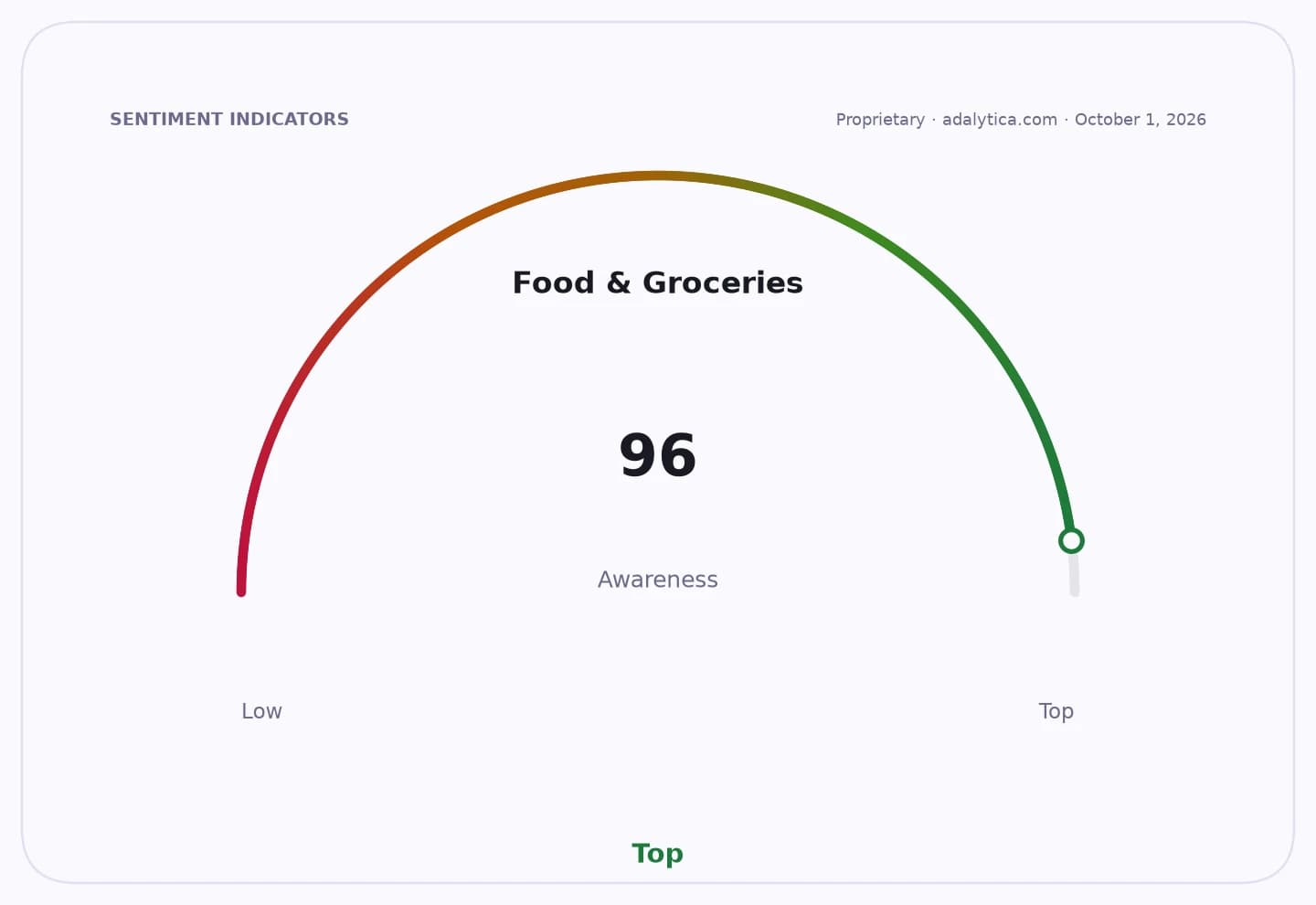
Sentiment IndicatorsⓘProprietary · adalytica.com · October 1, 2026
This is a snapshot — live sentiment, awareness and momentum for 130+ markets update continuously in the dashboard.Open AlphaPulse
That timing is important. Vietnam’s rice exports in the first eight months of 2026 were estimated at 6.03 million tons worth nearly $2.91 billion, down 5% in volume and 10.7% in value from a year earlier, with average export prices slipping 5.9% to about $481.5 a ton. The government said July prices averaged $511 a ton, up 5.8% year on year, hinting that the market may be stabilizing after a difficult stretch. Easing access for premium categories is the kind of policy move that can help lift the export mix even if total tonnage stays under pressure.
For investors, the key point is that Vietnam is no longer just defending rice volumes; it is trying to reprice its export story. The country’s 2030 export strategy targets a much larger share of premium rice — fragrant, Japonica and specialty rice at about 45% of the mix, with higher-value products such as nutritional rice, parboiled rice, organic rice and processed rice products around 10%. That is a direct signal that margin, not just output, is becoming the main policy objective.
That creates a potential winner’s list across the rice value chain. Exporters with certified organic supply, parboiling capacity, specialty brands and direct overseas distribution should gain the most because they can scale without the same regulatory drag. Smaller producers and cooperatives may also benefit if they can reach international buyers directly instead of selling through larger intermediaries. By contrast, traditional bulk exporters and low-margin traders could face more pricing pressure as premium supply expands and the market shifts toward differentiated product.
The bigger narrative here is familiar across agriculture: when governments want higher farm incomes and stronger export earnings, they usually start by easing the path for processed and branded products. Vietnam is doing exactly that. If the policy is implemented cleanly, the next phase is likely to be more export registration, more capacity additions in organic and parboiled rice, and more attention from global buyers looking for traceable Asian supply.
For investors, the trade is straightforward: favor rice exporters and agricultural processors positioned for premiumization, not plain-vanilla volume plays. The market is still underestimating how much policy-led mix improvement can matter when commodity prices are soft but higher-value demand is still growing.
| Entity | Gains | Losses |
|---|---|---|
| Organic rice exporters | ▲Lower barriers, faster access | ▼Old compliance burden |
| Parboiled rice producers | ▲Easier export growth | ▼Conventional bulk margins |
| Small cooperatives | ▲Direct market access | ▼Reliance on middlemen |
| Standard rice exporters | ▲Limited benefit | ▼Tighter price competition |