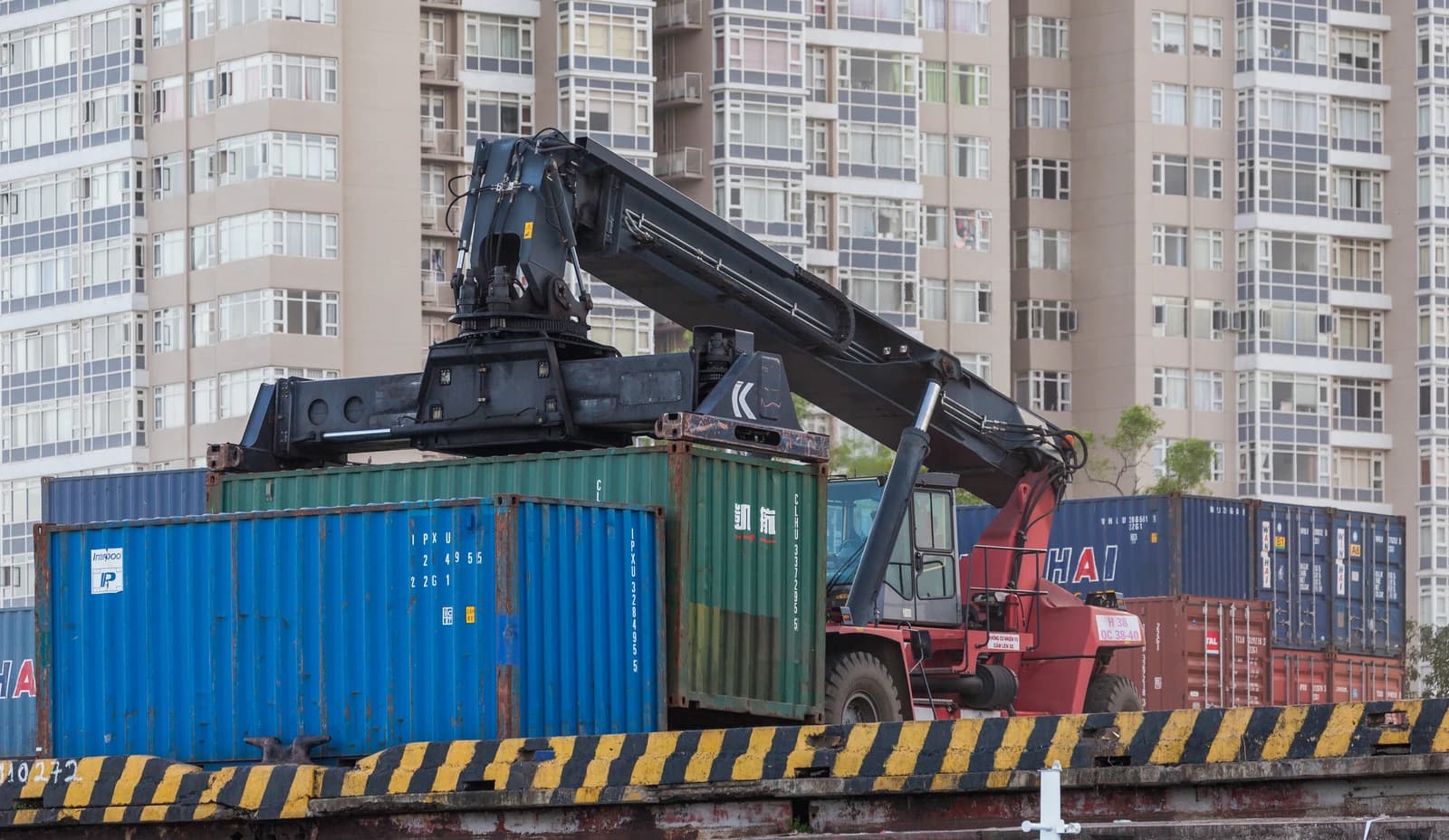
Hung Yen’s customs revenue and trade flows are rising on the back of export-oriented manufacturing, with turnover through the northern Vietnamese province nearing $12 billion by mid-September and giving the local budget a clear boost.
Hung Yen Customs Trade Reaches Nearly $12 Billion
That matters because Hung Yen is no longer just a transit point for goods; it has become a barometer for how deeply foreign-invested factories, suppliers and assemblers are embedded in Vietnam’s industrial belt. Customs data show import-export turnover of almost $12 billion in the year to Sept. 13, including about $6.8 billion of exports and nearly $5.2 billion of imports, while the number of declarations handled jumped 18.01% from a year earlier to 327,344.
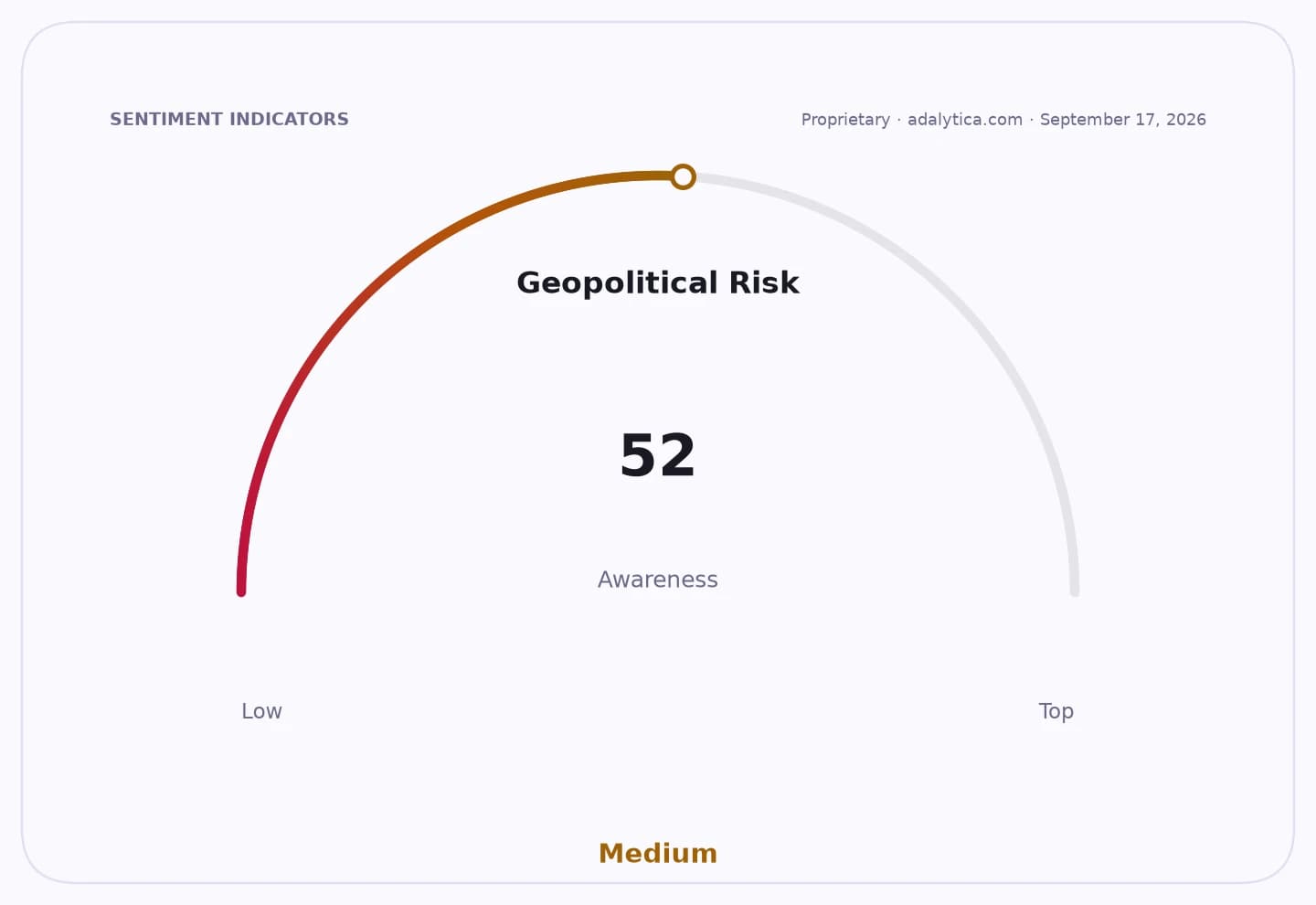
Sentiment IndicatorsⓘProprietary · adalytica.com · September 27, 2026
This is a snapshot — live sentiment, awareness and momentum for 130+ markets update continuously in the dashboard.Open AlphaPulse
The composition of that trade underscores the province’s role in regional supply chains. Large volumes came from steel and metal products, chemicals, machinery, electronic components, textiles, footwear, plastics, auto parts and other supporting-industry goods. That mix suggests a production base that depends on imported inputs and then feeds finished and semi-finished products into global markets, a structure that tends to support both customs receipts and industrial employment when external demand is healthy.
Several large manufacturers are doing much of the heavy lifting. Yokowo Electronics Vietnam alone generated roughly $1.56 billion in import-export turnover, followed by Kyocera Vietnam with more than $280 million, Toan Phat Copper Pipe with over $276 million and Hoya Glass Disk Vietnam II with nearly $264 million. The concentration in electronics, materials and industrial components points to Hung Yen’s growing importance as a node in Vietnam’s high-value manufacturing ecosystem rather than a low-margin logistics stop.
The customs intake reflects that activity. By Sept. 20, state budget revenue collected by Hung Yen Customs had topped 4,519 billion dong, equivalent to 81.43% of the full-year target. For local authorities, that provides room to maintain infrastructure, administration and trade facilitation spending; for companies, efficient clearance and stable procedures are becoming as important as labor and land costs in deciding where to expand.
For investors, the data reinforce a broader thesis: Vietnam’s industrial provinces continue to benefit from global supply-chain diversification, even as the growth mix becomes more sensitive to electronics cycles, foreign direct investment and trade demand from major end markets. The fact that export turnover exceeded imports also points to a net production contribution from the province, though it also leaves the local economy exposed if external demand slows or if multinational manufacturers shift sourcing elsewhere.
The outlook now hinges on whether customs authorities can keep clearance smooth into year-end, when export orders usually pick up and firms race to meet shipment schedules. If that happens, Hung Yen could finish 2026 with stronger-than-expected trade and budget performance. If global demand softens, the province’s heavy reliance on a handful of large manufacturers and supply-chain sectors could quickly become a constraint.
| Entity | Gains | Losses |
|---|---|---|
| Hung Yen Customs | ▲Higher budget revenue | ▼Operational pressure |
| Export manufacturers | ▲Faster trade flows | ▼Input-cost exposure |
| Vietnam industrial hubs | ▲Stronger FDI pull | ▼Dependence on global demand |
| Importers of components | ▲Supply-chain access | ▼Margin squeeze if trade slows |