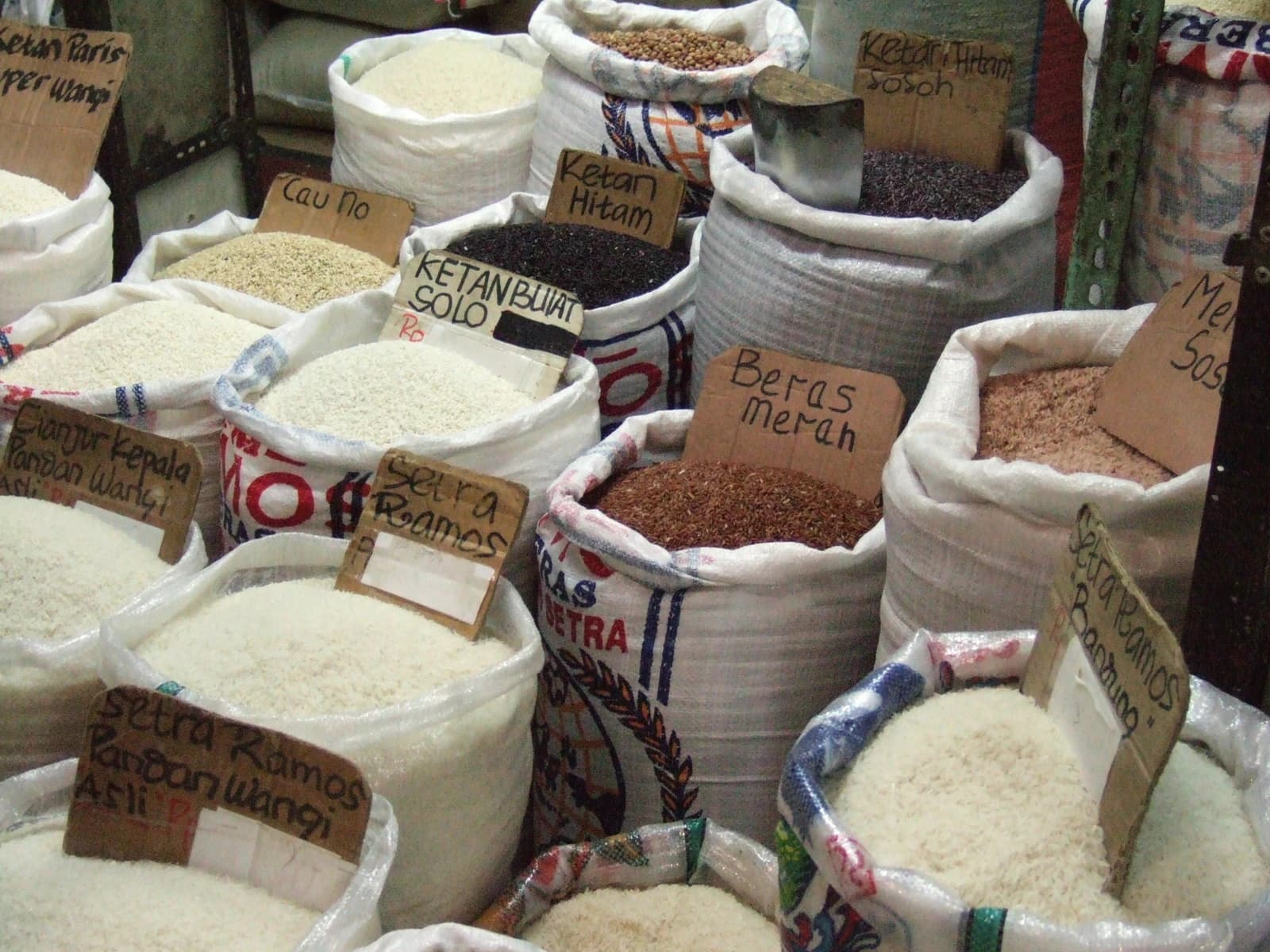
Organic rice is emerging as a practical hedge for farmers facing volatile input costs, tighter quality checks and weaker food-spending sentiment, with Vietnam’s rice sector leaning harder into premium, traceable production as a way to protect income and maintain market access.
Vietnam Rice Sector Pushes Organic Premium Production

The shift matters because rice remains a core agricultural staple in Vietnam and a major export earner across Asia. For growers, moving into organic production can mean higher margins if they can secure certification and buyers, while also reducing exposure to synthetic fertilizer and pesticide costs that have squeezed conventional farming economics.
Sentiment IndicatorsⓘProprietary · adalytica.com · September 20, 2026
This is a snapshot — live sentiment, awareness and momentum for 130+ markets update continuously in the dashboard.Open AlphaPulse

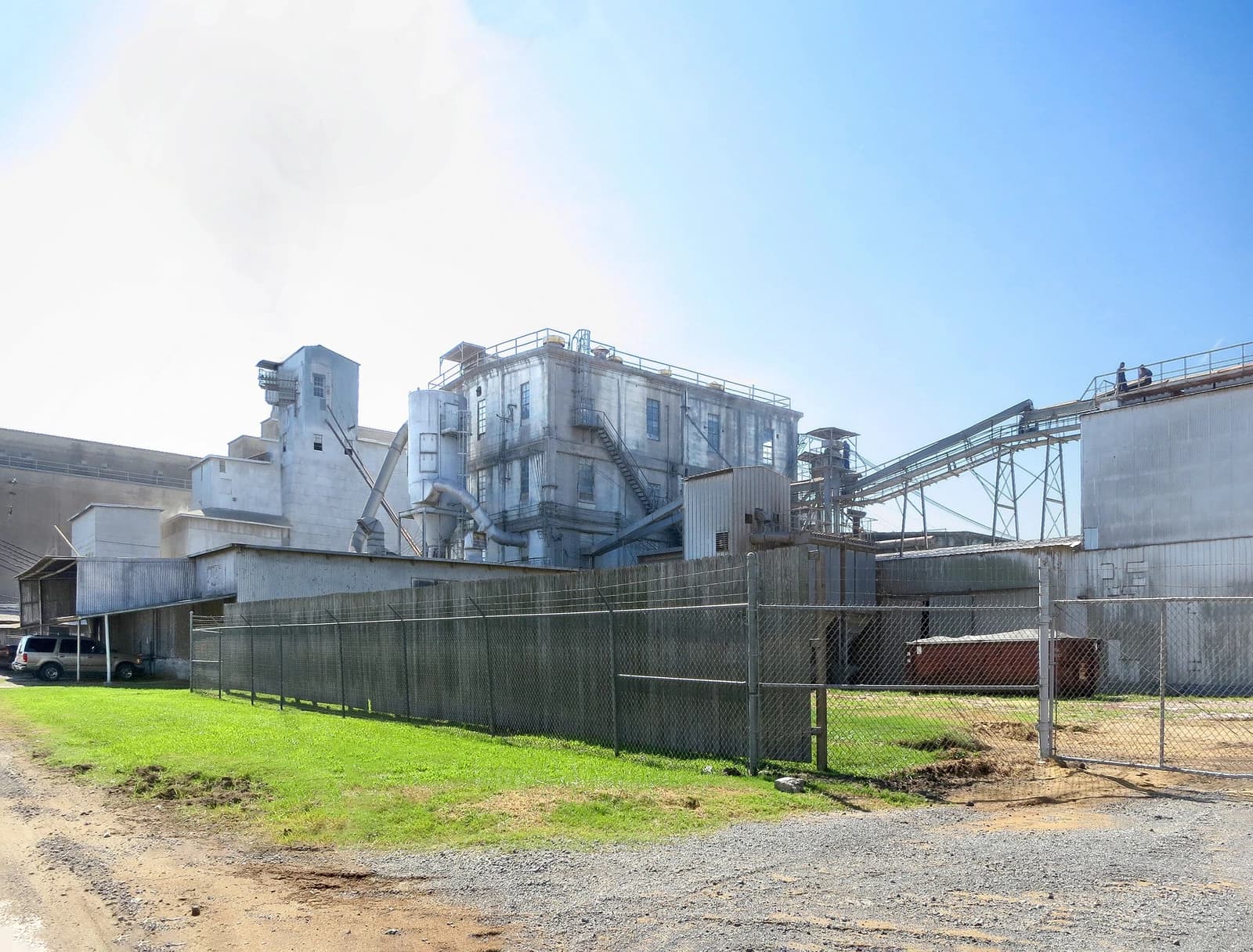
The latest push is being reinforced by the Vietnam International Rice Industry Festival, where Can Tho is preparing 25,000 potted rice plants to showcase cultivation innovation. That display comes as authorities have also stepped up scrutiny of food products, including the withdrawal of 25 suspected fake fortified rice brands, underscoring how quality and authenticity have become commercial issues, not just consumer ones.
Investors in agribusiness names such as Archer-Daniels-Midland, Bunge and packaged-food groups including Conagra Brands and Kroger face a mixed setup. Premium rice products can lift pricing power and support branded supply chains, but the broader backdrop still looks fragile: Adalytica’s Food and Grocery Spending Sentiment gauge is in “Extreme Fear” at 4, signaling pressure on consumer demand even as inflation concerns remain part of the conversation.

For traders, the message is that rice is no longer just a volume story. It is increasingly a quality, certification and supply-chain story, and that tends to favor companies and regions able to prove traceability while penalizing lower-grade supply. The next catalyst is whether festival-led promotion and quality enforcement translate into actual contract wins, export demand and farm-level income gains.
| Entity | Gains | Losses |
|---|---|---|
| Organic rice farmers | ▲Higher margins, premium buyers | ▼Certification costs, transition risk |
| Vietnam rice exporters | ▲Better traceability, premium positioning | ▼Higher compliance burden |
| Consumer brands | ▲Safer sourcing, quality control | ▼Tighter supply, higher input costs |
| Conventional rice suppliers | ▲— | ▼Price pressure, quality scrutiny |