Indonesia’s agriculture minister has asked producers to temporarily halt fortified rice output after regulators found 25 brands overstated vitamin content and sold the product at inflated prices, a move that puts the fast-growing premium rice segment under intense scrutiny and could reshape near-term retail supply.
Indonesia Fortified Rice Brands Face Quality Probe

The moratorium is aimed at brands that failed laboratory tests against Indonesia’s national standards for fortified rice and rice kernels, even though the products were not deemed unsafe to eat. Authorities said the violations centered on quality and labeling claims, with the rice selling for as much as Rp57,600 per kilogram, far above mainstream rice prices.
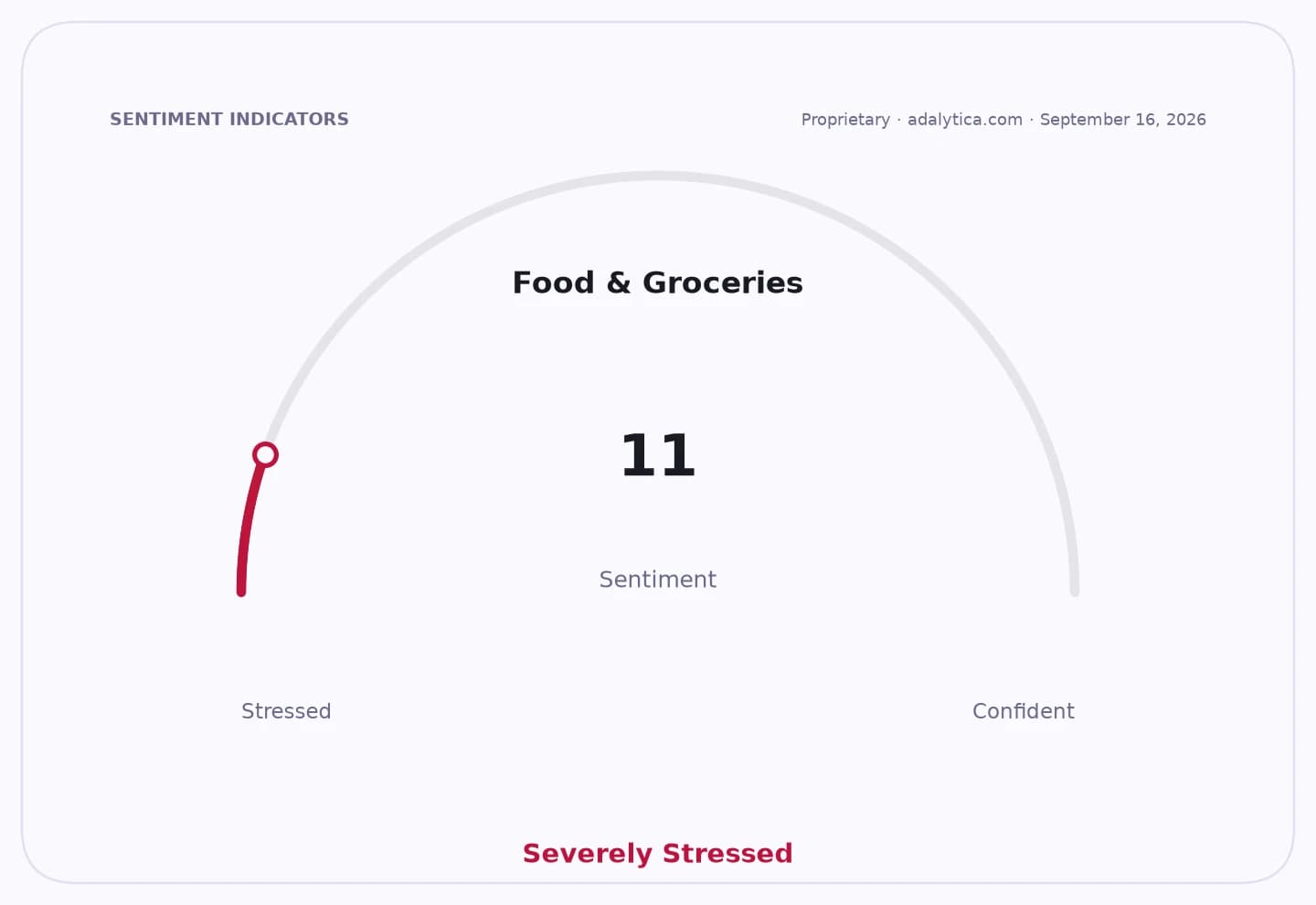
Sentiment IndicatorsⓘProprietary · adalytica.com · September 25, 2026
This is a snapshot — live sentiment, awareness and momentum for 130+ markets update continuously in the dashboard.Open AlphaPulse
For investors and food producers, the issue goes beyond one product category. Fortified rice has been marketed as a higher-value staple, allowing brands to charge premiums on the back of nutrition claims. If the government enforces license revocations and legal action, it could pressure margins across packaged rice, raise compliance costs and slow the rollout of premium food products built on health branding.
Agriculture Minister Andi Amran Sulaiman said the government is also asking Bulog, the state food buyer, to increase retail stock by 300,000 tons from an earlier plan of 110,000 tons, signaling that officials want to cushion any supply gap while they crack down on violators. He said overall rice inventories remain sufficient, with about 5 million tons available and another 2 million tons stored in rented warehouses.
Food & Groceries — 30-day sentimentadalytica.com
Explore this data interactively — full history, time series and cross-market comparisons.Open AlphaPulse
The wider market implication is that the state is stepping in to defend consumer trust in a politically sensitive staple while preventing the probe from turning into a broader shortage narrative. That matters for rice suppliers, retailers and packaged-food names exposed to Indonesia’s mass-market food trade, where pricing power is limited and regulatory risk can quickly erase premium claims.
The next focus will be how many of the 25 brands face permit withdrawals or prosecution, and whether the retail channel sees temporary disruption as shipments are redirected to replace the flagged fortified products.
| Entity | Gains | Losses |
|---|---|---|
| Bulog | ▲Bigger retail role | ▼Higher execution burden |
| Compliant rice producers | ▲Clean competitive field | ▼Less room for premium pricing |
| Flagged fortified rice brands | ▲— | ▼License risk, margin pressure |
| Consumers | ▲More oversight, ample supply | ▼Fewer premium options |