Cotton harvesting has begun in Gaziantep’s Araban Plain, but the bigger story for investors and the local economy is that rising electricity, diesel and fertilizer costs have pushed planted acreage down to about 5,000 dönüm, underscoring the pressure on one of Turkey’s most important cash crops.
Turkey Cotton Acreage Falls in Gaziantep's Araban Plain
Cotton has long been called “white gold” because it feeds more than just farm incomes. It supports ginning, logistics, textile manufacturing and export earnings, so a smaller crop can ripple far beyond the field. In Araban, the first pick came from the Körhacıobası neighborhood, where growers reported yields of roughly 450 to 500 kilograms per dönüm from the opening harvest.
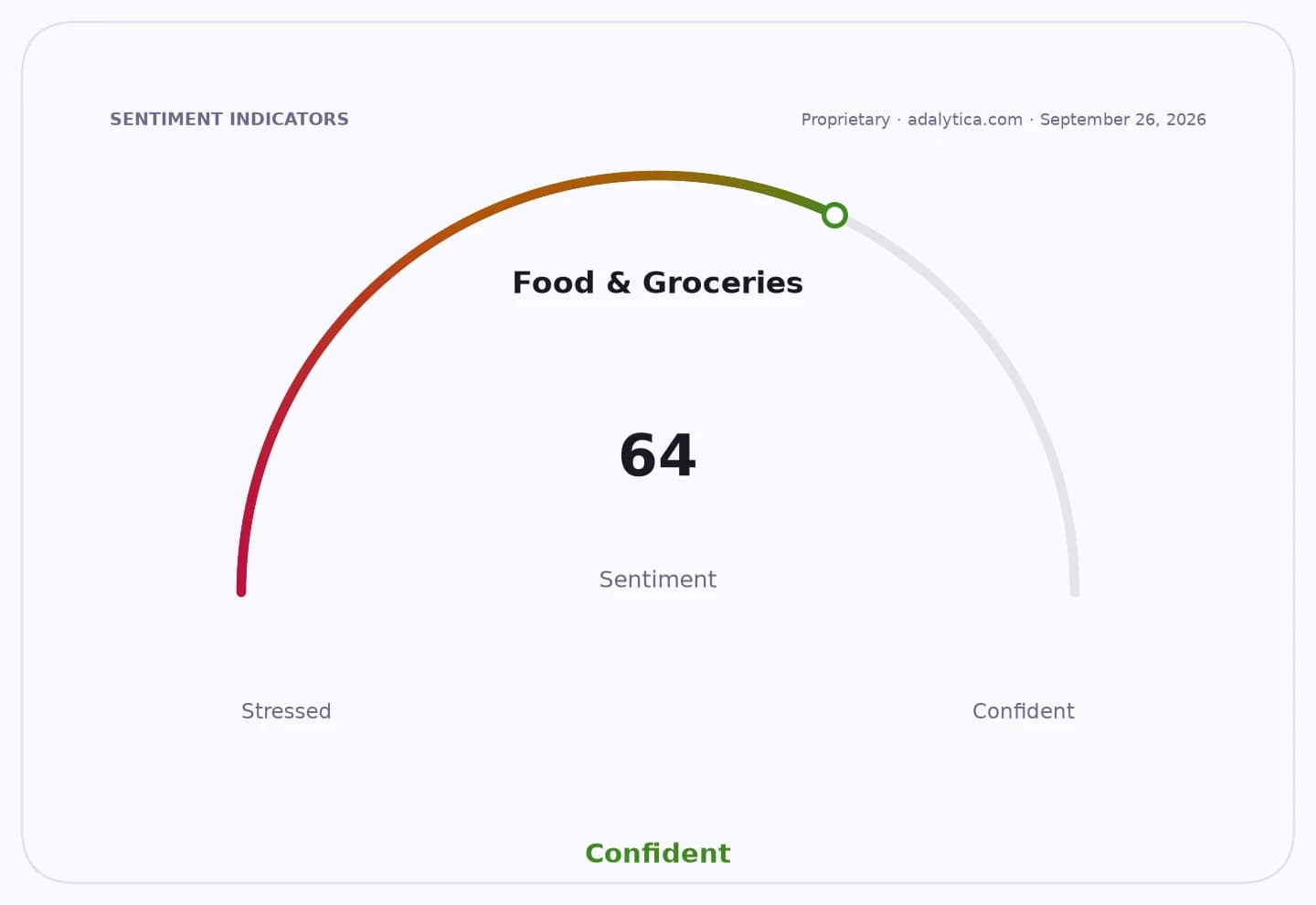
Sentiment IndicatorsⓘProprietary · adalytica.com · September 30, 2026
This is a snapshot — live sentiment, awareness and momentum for 130+ markets update continuously in the dashboard.Open AlphaPulse
That is a respectable start, but the acreage decline matters more than the first yield figures. When a crop shrinks because input costs are too high, the squeeze is not just on farmers’ margins. It is on the broader industrial chain that depends on steady raw material supply. For textile makers and exporters, less domestic cotton can mean tighter sourcing conditions and greater exposure to imported fiber, which is especially important in a country where manufacturing competitiveness is closely tied to commodity costs.
The message from Araban is familiar across agriculture: even when the crop performs well, profitability can be fragile. Farmers are being asked to absorb volatile energy and fertilizer bills at a time when climate swings and higher financing costs have already made planting decisions harder. That is why this harvest should be read less as a seasonal ritual and more as a signal of the economics of Turkish farming.
For long-term investors, the lesson is straightforward. Agricultural production can be resilient, but the businesses that depend on it are only as strong as their cost structures. Input suppliers may benefit from higher prices, while growers and downstream manufacturers face the margin pressure. If cotton acreage keeps drifting lower, that could eventually shape pricing power across the supply chain.
For now, Araban’s harvest offers a small but telling snapshot of Turkey’s farm economy: decent yields, constrained plantings, and a sector that still has value but is struggling to keep scale. Investors tracking agriculture, textiles and food inputs should keep it on the watchlist.
| Entity | Gains | Losses |
|---|---|---|
| Araban cotton growers | ▲Early harvest cash flow | ▼Higher input costs |
| Textile manufacturers | ▲Stable local supply if output holds | ▼Tighter raw cotton supply |
| Input suppliers | ▲Demand for electricity, fuel, fertilizer | ▼Farmers cutting acreage |
| Export-dependent economy | ▲Farm income from “white gold” | ▼Lower domestic cotton volume |