Damietta Port’s wheat stock stood at 13,000 tons, underscoring how Egypt’s grain logistics remain active even as global wheat prices rise and domestic crop concerns keep food costs under scrutiny.
Egypt Damietta Port Wheat Stock at 13,000 Tons
The port also had 13,889 tons in private-sector grain silos, while ships, containers and trucks continued moving through the terminal in sizeable volumes. The latest tally showed 14 vessels received and 11 departed, leaving 33 ships in port, alongside 60,137 tons of general cargo imports and 27,251 tons of exports.
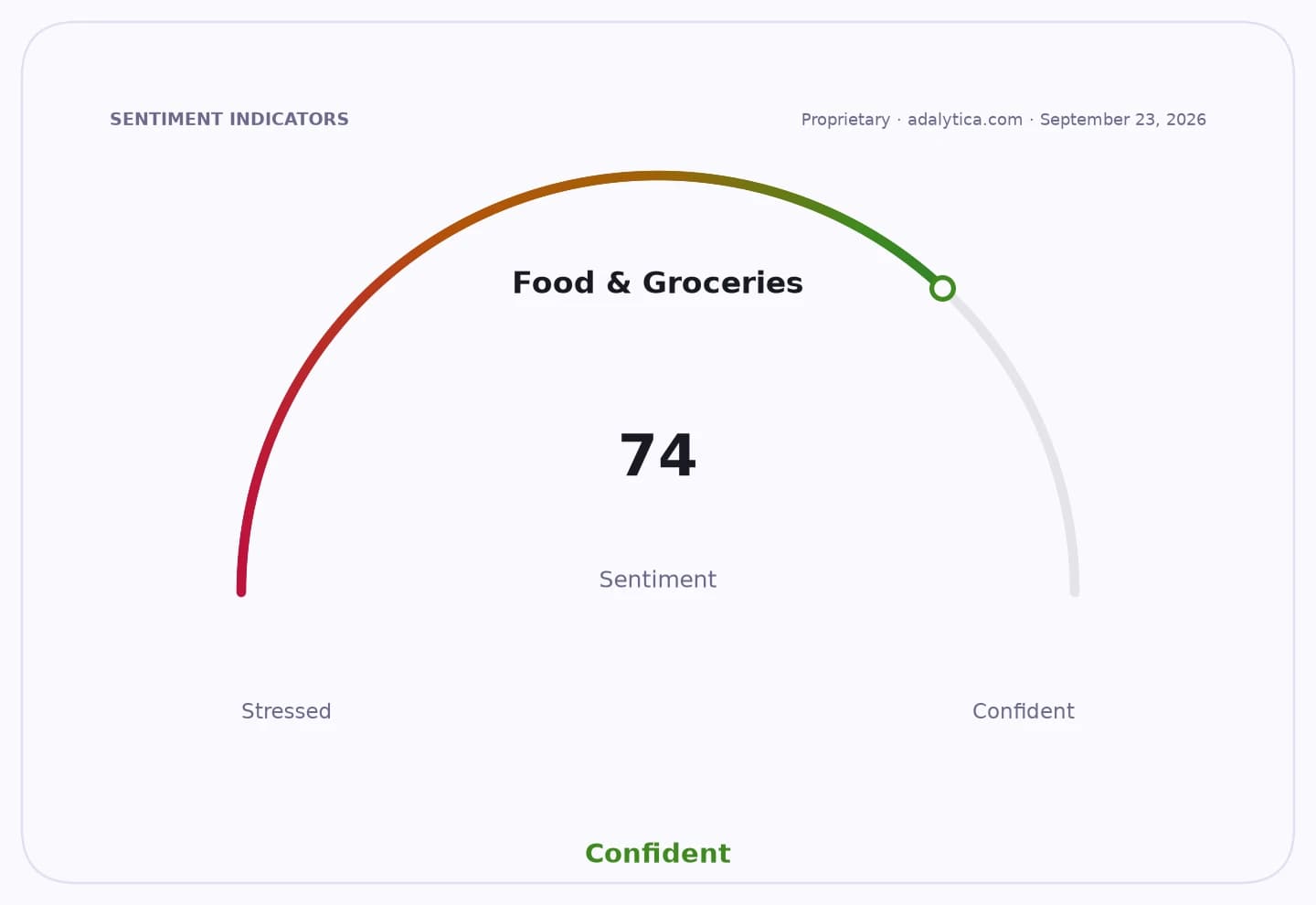
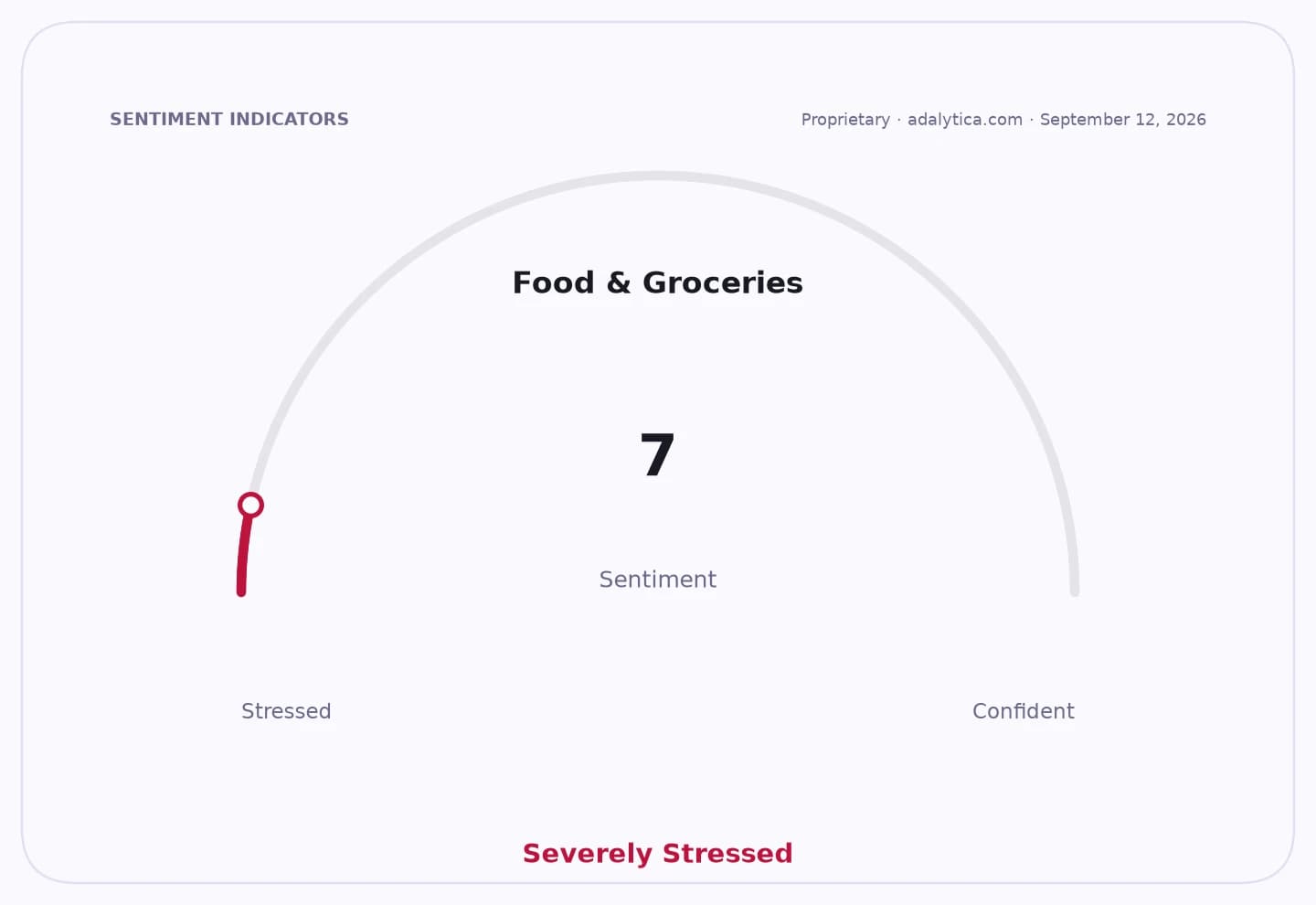
Sentiment IndicatorsⓘProprietary · adalytica.com · September 26, 2026
This is a snapshot — live sentiment, awareness and momentum for 130+ markets update continuously in the dashboard.Open AlphaPulse
The grain numbers matter because wheat is central to Egypt’s food security and subsidy system, making port inventories and throughput a real-time indicator of supply coverage. With global wheat prices climbing and local harvest quality and yields under pressure, any tightening in storage or import flow can quickly feed into broader food inflation risks.
The cargo mix also shows the wider trade picture. Corn made up 33,858 tons of imports, while iron, scrap and lumber volumes point to steady industrial demand. Container traffic remained brisk, with 1,496 export containers and 4,610 transit containers, suggesting the port is still handling regional trade flows rather than showing signs of disruption.
For investors, the key takeaway is that grain logistics in Egypt are still functioning, but the margin for error is thinner. Higher wheat prices, weaker agricultural output and policy uncertainty around farm sales all raise the stakes for importers, millers, food producers and logistics operators tied to the country’s staple supply chain.
The next catalyst is whether grain arrivals and silo balances stay firm enough to offset crop weakness and prevent a sharper jump in food costs.
| Entity | Gains | Losses |
|---|---|---|
| Wheat importers | ▲Steady port stock | ▼Higher global prices |
| Egyptian consumers | ▲Near-term supply cushion | ▼Risk of food inflation |
| Food producers/millers | ▲Inventory visibility | ▼Margin pressure from cost rises |
| Local farmers | ▲Potential policy support | ▼Lower crop yields and quality |