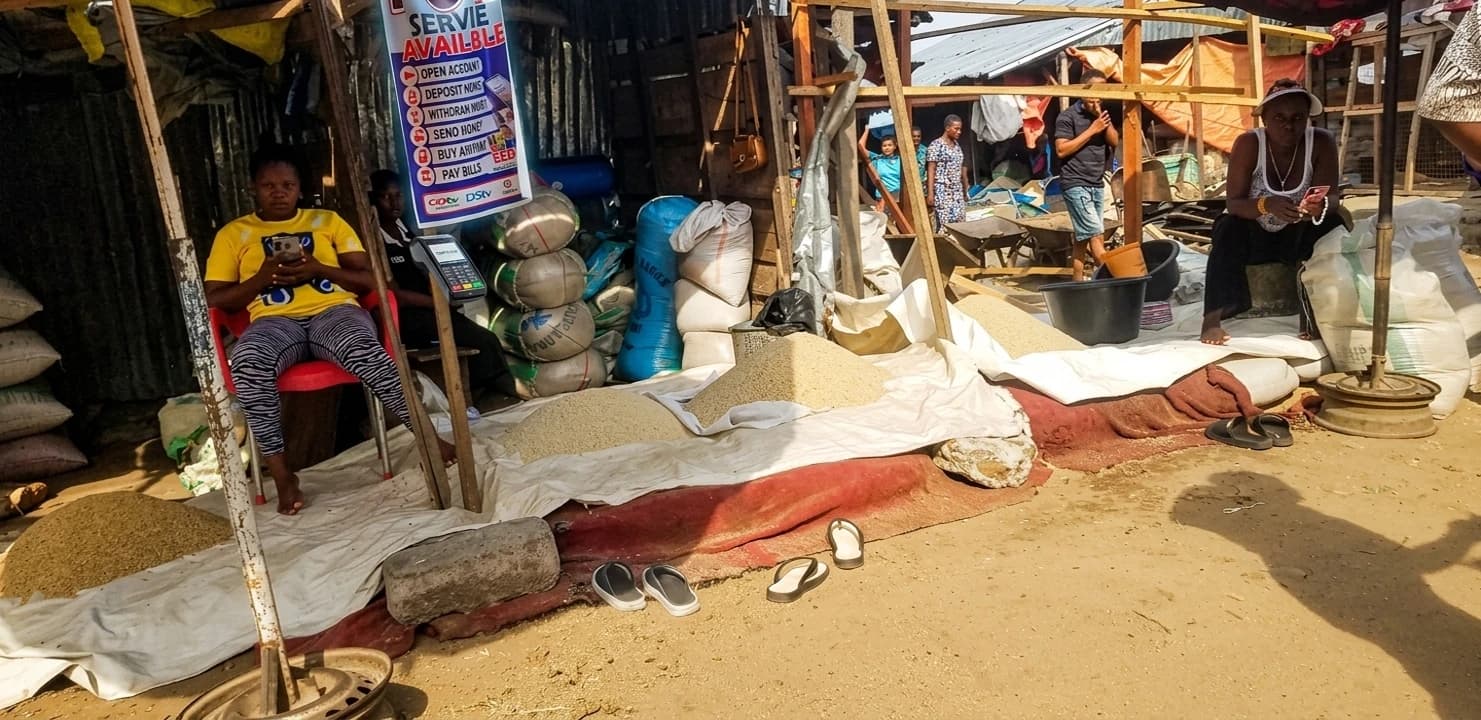
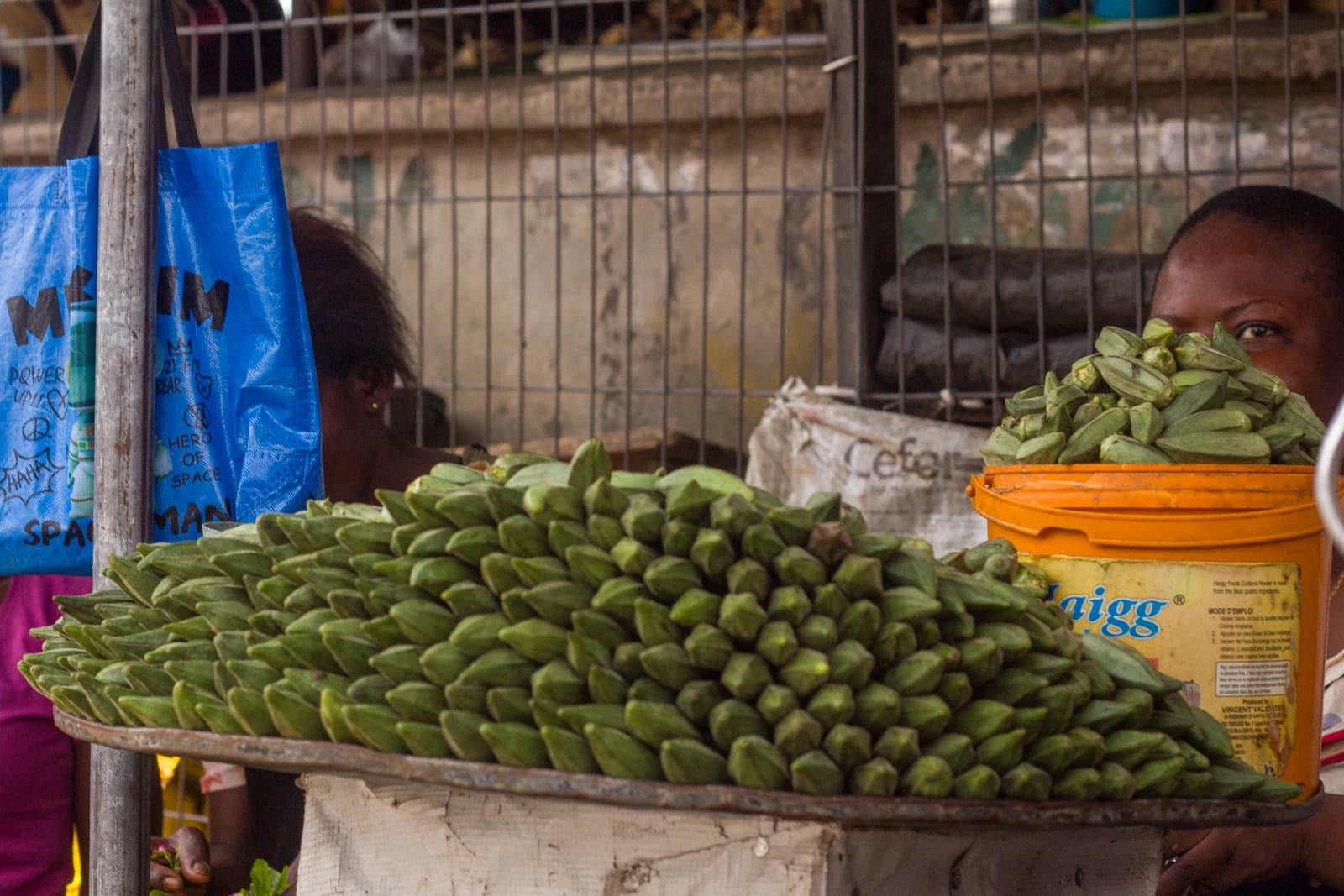
Bulog is pushing thousands of tons of subsidized SPHP rice into Indonesia’s market every day, a supply effort aimed at keeping prices in check as weather-driven crop losses tighten regional food supply and raise inflation risks.
Indonesia Bulog boosts subsidized rice distribution
The scale of the daily distribution matters because rice remains a politically sensitive staple and a key driver of household spending across Southeast Asia’s largest economy. When supply falters, governments often face a trade-off between protecting consumers and defending farmers’ incomes, and rice is usually the first commodity policymakers move to stabilize.
That backdrop has become more urgent as El Niño has already squeezed rice acreage and forced several Asian governments to lean harder on stockpiles and imports. In the Philippines, authorities have cut their foodgrain procurement target by 2.63 million tonnes, underscoring how quickly weather stress can ripple through regional grain markets and public budgets.
For investors, the key issue is whether emergency distribution can prevent a broader food-price spiral. If Bulog’s daily releases are large enough to anchor retail prices, they can ease pressure on Indonesia’s inflation profile and reduce the risk of sharper policy tightening; if not, higher rice costs could feed into consumer inflation, margin pressure for food retailers and continued volatility in agricultural supply chains.
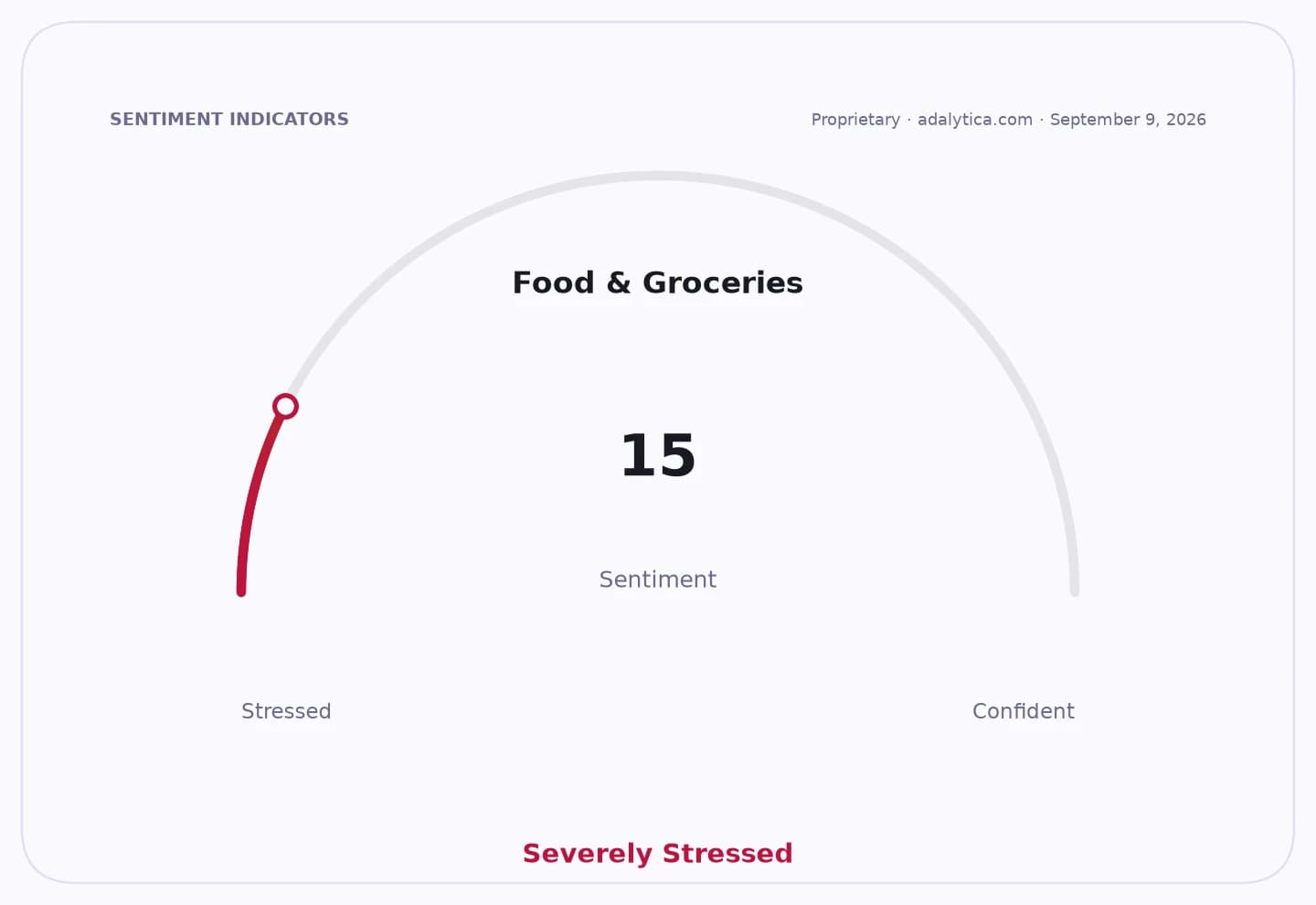
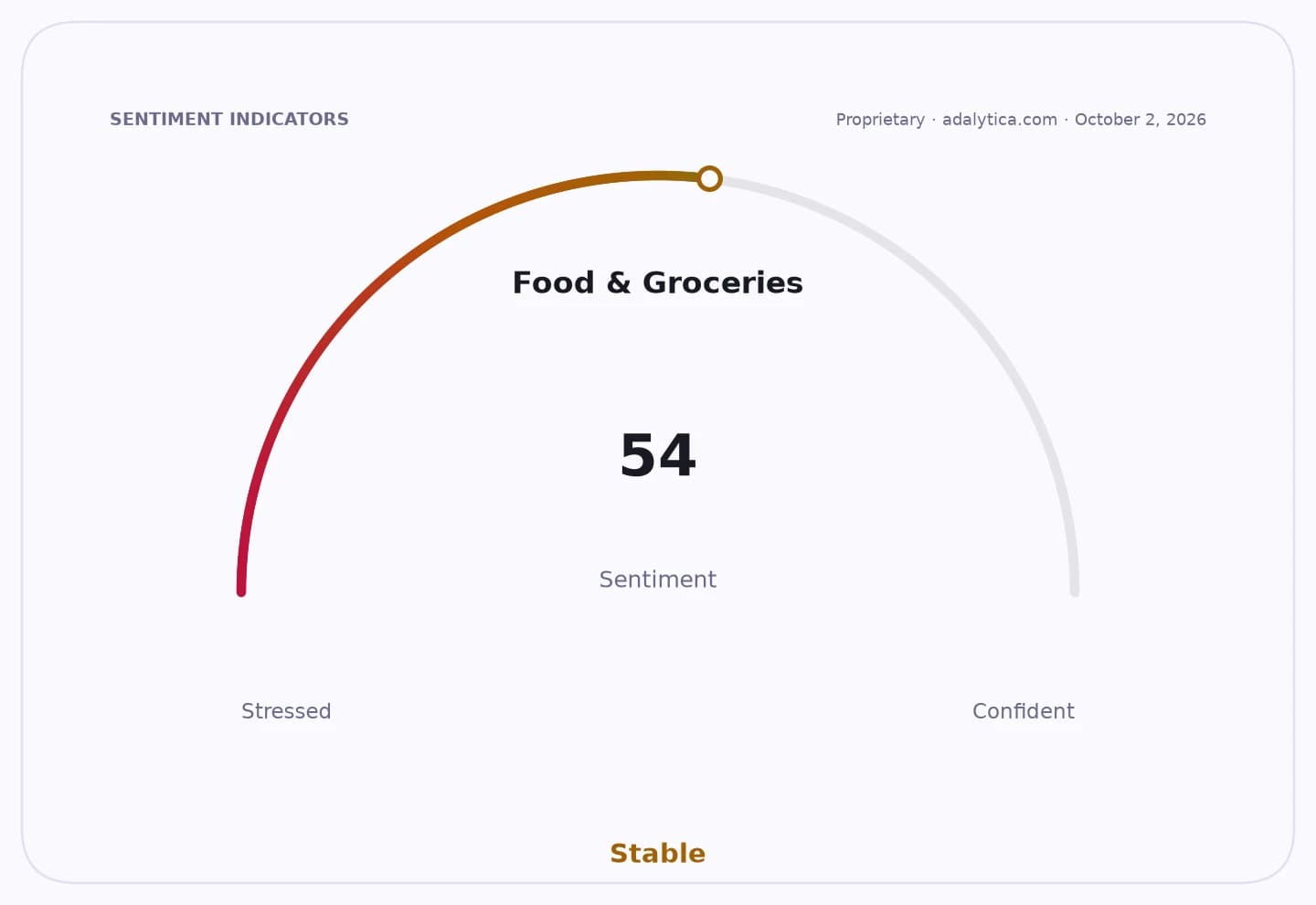
Technical readings on KRSP show the stock holding just above its 50-day and 200-day moving averages, with RSI in the low-50s, suggesting the market has not yet priced a major dislocation. But the broader food and grocery complex is still sensitive to any sign that staple inflation is building, especially after Adalytica’s CPI sentiment hit an extreme-greed reading and food-spending sentiment stayed volatile.
The immediate focus now is whether Indonesia can sustain this pace of rice distribution without drawing down inventories too quickly or forcing additional imports. Traders and consumer-staples investors will be watching coming inflation prints, procurement updates and any further policy response from Jakarta.
| Entity | Gains | Losses |
|---|---|---|
| Indonesian households | ▲Lower rice-price pressure | ▼Less upside from farm-gate prices |
| Bulog / government | ▲Better food-security control | ▼Higher subsidy and logistics burden |
| Rice sellers / retailers | ▲More stable supply | ▼Margin squeeze from price controls |
| Import-dependent buyers | ▲Faster access to supply | ▼Exposure to global rice tightness |