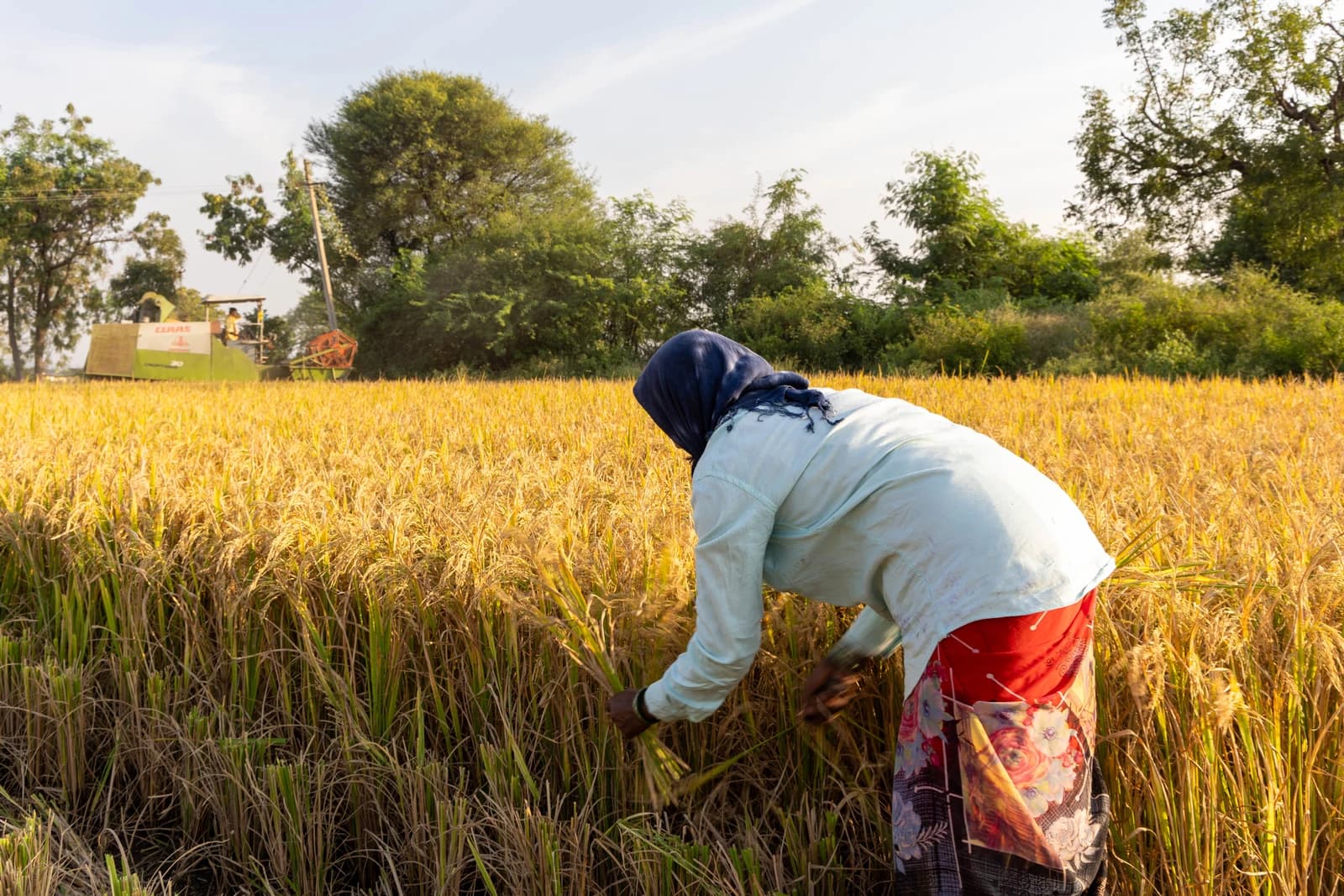
Indonesia is adding 1 million tons of rice to its market-stabilization program as officials brace for a hotter, drier spell linked to El Nino that could squeeze harvests and push up food prices in the region’s biggest economy.
Indonesia Adds Rice to Stabilization Program
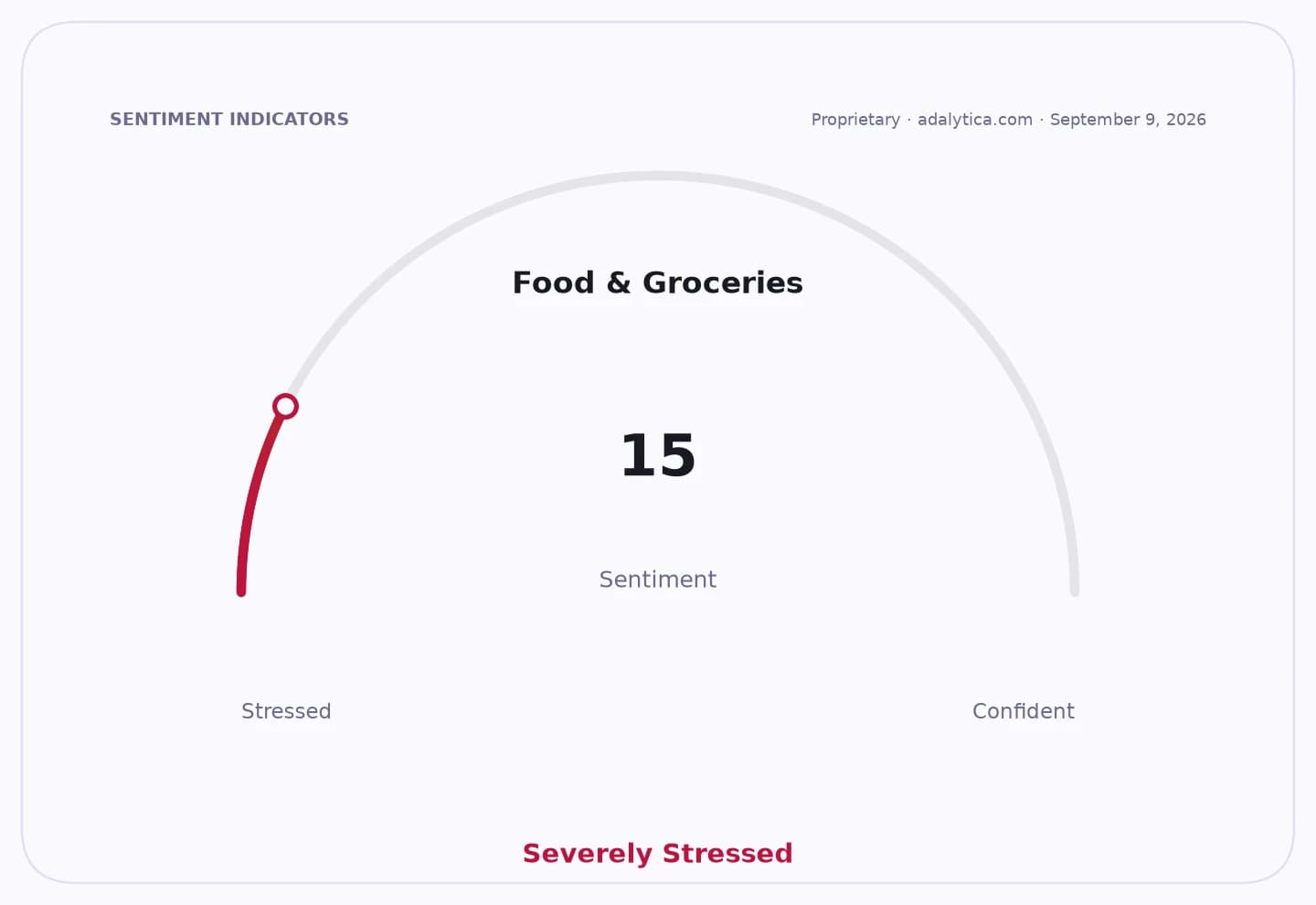
The move matters because rice is the country’s most politically sensitive staple: keeping it affordable helps contain inflation, support household spending and reduce the risk of social discontent. Agriculture Minister Andi Amran Sulaiman said the extra volume will lift total 2026 allocations under the SPHP price-stabilization scheme to about 1.83 million tons, with shipments released gradually over the final months of the year to prevent market shortages and price spikes.
Indonesia is not short of stocks. It still holds about 5.1 million to 5.2 million tons in national reserves, which are designed for emergencies and disaster response. The decision to expand SPHP alongside those reserves shows Jakarta is using two separate channels: one to protect food security in a crisis, and another to actively lean against retail inflation before dry-season stress feeds through the supply chain.
For investors, the key implication is that food policy is becoming a larger macro variable in Southeast Asia. If El Nino disrupts rainfall and reduces output, the government may need to keep releasing grain from stocks or widen market interventions further, which would support prices for regional rice suppliers and food distributors but weigh on consumers and inflation-sensitive sectors. It also raises the odds of tighter import management, a recurring risk for global rice trade flows.
The announcement comes as Indonesia also speeds up food aid, market interventions and the sale of medium- and premium-grade rice through retail channels. That broader response suggests officials are trying to avoid a repeat of the price volatility that often follows weather shocks in the archipelago, where domestic supply can shift quickly across islands and logistics costs amplify shortages.
Rice-focused exchange-traded funds and agricultural commodities have already been firming. The Teucrium Wheat Fund, often used as a broad grain proxy, has been trading well above its 50-day and 200-day moving averages, while its RSI readings have recently sat in overbought territory, reflecting a market that is still sensitive to weather and supply headlines. The broader agricultural basket has also held near recent highs. That leaves room for additional upside if dry conditions spread beyond Indonesia and into other Asian producers.
The bigger narrative is straightforward: Jakarta is paying up in advance to prevent a food shock from turning into an inflation shock. If the dry season proves milder than feared, the intervention could cap volatility without major market distortion. If El Nino bites harder, Indonesia may need to defend supplies for longer, and rice markets across Asia will likely stay bid.
| Entity | Gains | Losses |
|---|---|---|
| Indonesian consumers | ▲More stable rice prices | ▼Less room for shortages |
| Indonesian government | ▲Lower inflation risk | ▼Higher fiscal and stock-management burden |
| Rice producers/exporters | ▲Stronger demand for grain | ▼Greater policy intervention |
| Food-import-sensitive investors | ▲Support for rice prices | ▼Higher volatility and policy risk |