Malang’s move to prepare 2 hectares of chili fields is an attempt to stop a local food shock from becoming a broader inflation problem, but the impact will be gradual rather than immediate.
Malang prepares 2 hectares of chili fields
The city government is responding to a sharp rise in chili prices that is already filtering through household budgets and market stalls. According to the local price-tracking system, large bird’s eye chili in Malang has climbed to Rp66,000 a kilogram, with officials saying intervention would be triggered if prices reach Rp100,000. For Indonesia, where chili is a staple in daily cooking and a recurring driver of volatile food inflation, that matters because short-lived supply disruptions can still affect consumer price expectations and regional transport and retail costs.
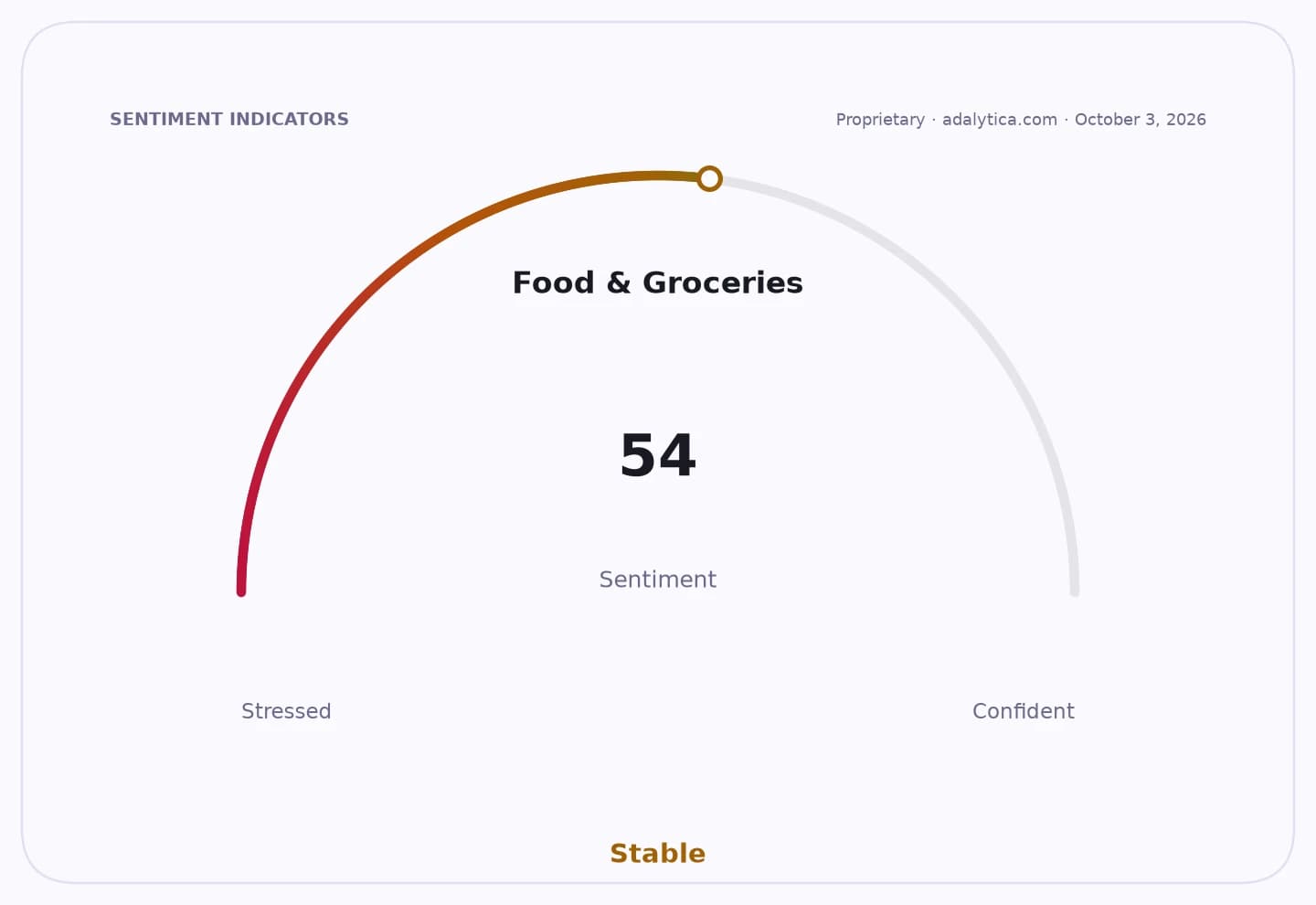
Sentiment IndicatorsⓘProprietary · adalytica.com · October 3, 2026
This is a snapshot — live sentiment, awareness and momentum for 130+ markets update continuously in the dashboard.Open AlphaPulse
The planned 2 hectares in Buring, Kedungkandang, have already been tilled and fertilized, and seedlings are ready to plant once the rainy season begins. The city is also counting on chili crops already grown on non-paddy land, with the first harvest expected in about 3 to 3.5 months. Even then, officials said the initial pickings will be limited, with yields only expected to improve around the eighth to tenth harvest. That means the area expansion is more of a supply cushion than an instant price fix.
For investors, the story is less about one city’s farm plot than about the persistence of food-price volatility in Indonesia’s regions. If Malang’s intervention succeeds, it could reduce pressure on local traders and lower the need for emergency market action through the city’s inflation-control “Warung Tekan Inflasi.” If it fails, the city may have to buy time with distribution interventions for other staples such as shallots and garlic, underscoring how dependent local inflation management remains on administrative measures rather than structural supply stability.
The broader narrative is a familiar one across Indonesia: demand for chili stays firm even as prices jump, and local governments are forced to choose between short-term market intervention and longer-term production fixes. Malang is trying both. The key question for consumers and policymakers is whether the rainy-season planting and near-term harvest can arrive before higher prices spread into other food categories and keep headline inflation elevated.
| Entity | Gains | Losses |
|---|---|---|
| Malang city government | ▲Inflation-control credibility | ▼Pressure if prices keep rising |
| Local chili farmers | ▲Higher farm-gate prices | ▼Weather and output risk |
| Households and food vendors | ▲Potential price relief later | ▼Near-term higher food costs |
| Traders/speculators | ▲Volatility-driven margins | ▼Intervention and supply expansion |