Ho Chi Minh City’s green vegetable prices are jumping because prolonged rain and high tides have flooded farms around the city, slashing supply and squeezing household budgets.
Ho Chi Minh City vegetable prices rise after floods
That matters because food inflation tends to spread quickly through a city’s daily spending basket, especially when leafy vegetables and herbs are staples of local cooking. In market terms, this is a classic weather-driven supply shock: prices rise not because demand is booming, but because harvests are being wiped out just as consumers still need to buy.
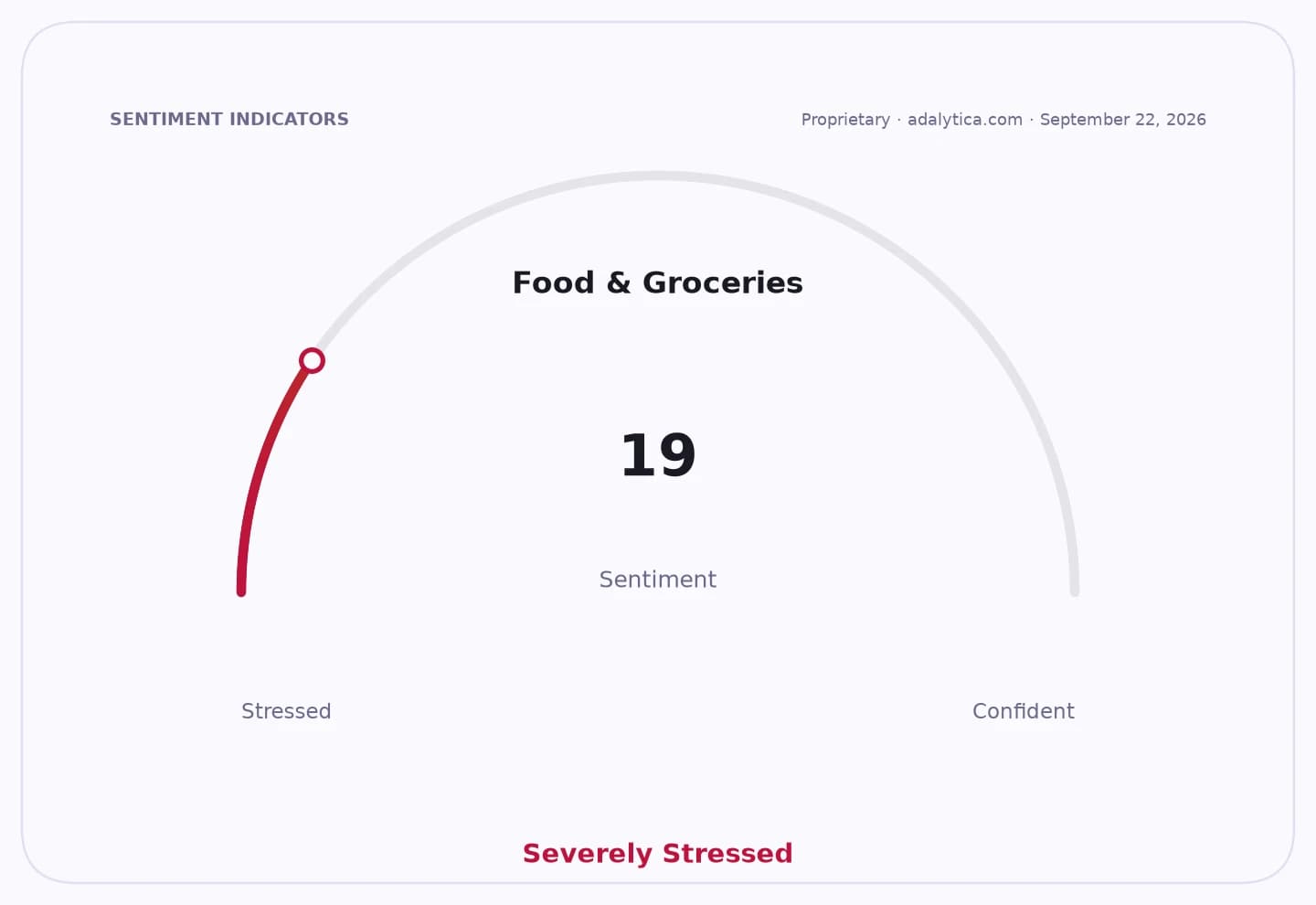
Sentiment IndicatorsⓘProprietary · adalytica.com · September 29, 2026
This is a snapshot — live sentiment, awareness and momentum for 130+ markets update continuously in the dashboard.Open AlphaPulse
At Phuoc An Safe Vegetable Cooperative in Ho Chi Minh City, manager Tran Van Thich said the group has “almost no vegetables to sell” after more than a week of heavy rain. The cooperative said much of the remaining crop on the field was effectively lost, while output from high-ground plots was the only product still being harvested.
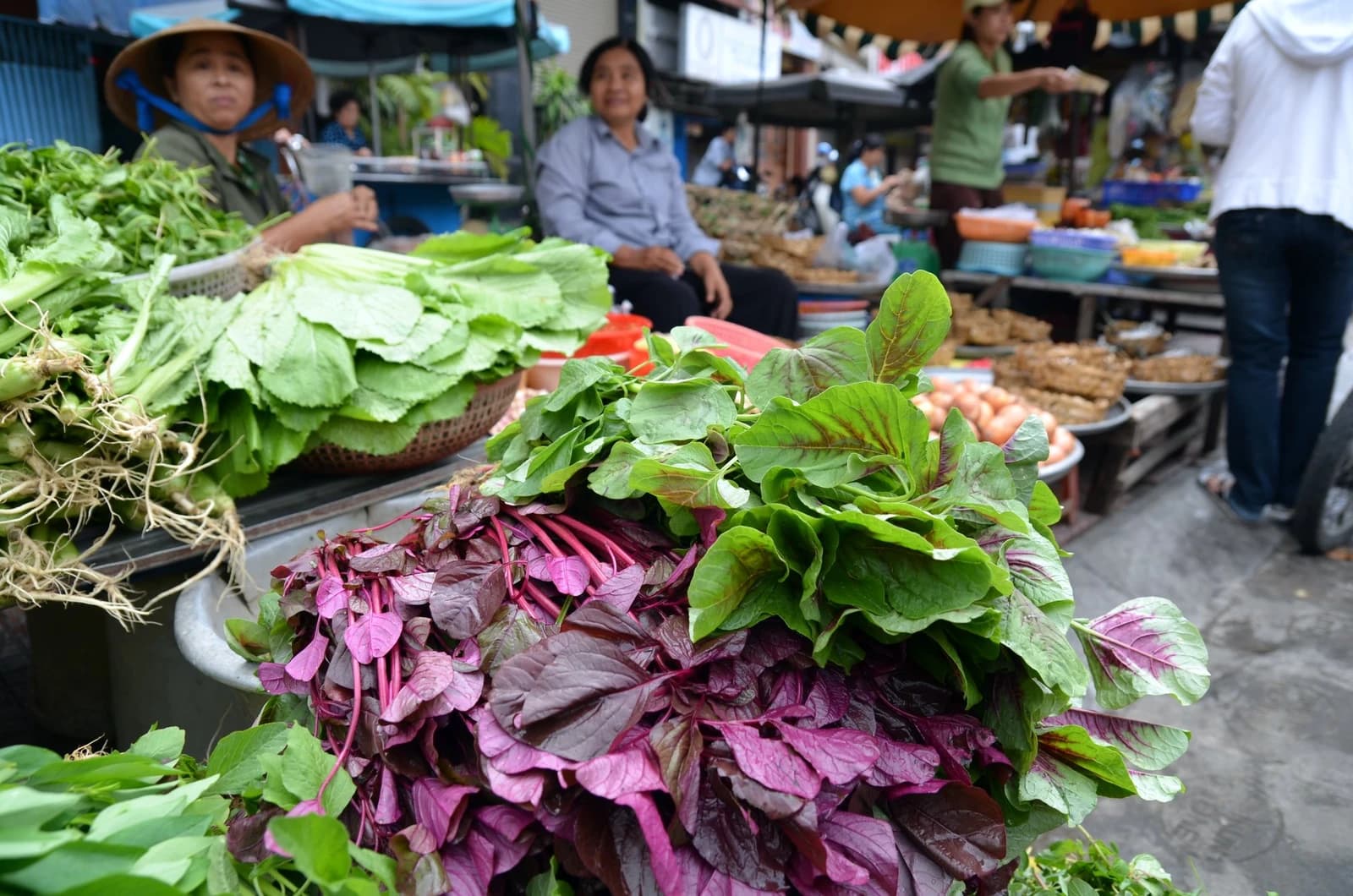
Prices at traditional markets have already adjusted sharply. Chinese cabbage and bok choy are selling at 40,000 to 50,000 dong a kilogram, up about 10,000 dong from last month, while parsley and spring onion have climbed above 70,000 dong a kilogram, adding at least 20,000 dong. Long Thuan Vegetable and Fruit Cooperative in Dong Thap said supplies have fallen 30% to 40%, pushing leaf-vegetable prices up another 5,000 to 7,000 dong a kilogram depending on the variety.
For households, the impact is immediate: vegetables make up a large share of the everyday food budget, so a 25% to 33% jump in key items quickly translates into a more expensive meal. For retailers, it is even worse. Vendors say more produce is arriving damaged, forcing them to discard wilted leaves and stems, which compresses margins even as sticker prices rise.
The bigger narrative is that Vietnam’s food supply remains highly exposed to weather volatility. Flooding, tidal surges and concentrated rainfall can rapidly disrupt farm output, wholesaling and retail pricing in the southern provinces, and if the rain persists, traders are already warning that herb prices could rise further next week.
Investors should read this as another reminder that agriculture-linked inflation is not just a consumer story but a margin story for grocers, distributors and food processors, while any company tied to cold storage, logistics or controlled-environment farming may gain relative resilience. The market underestimates how quickly climate shocks can alter pricing power in essential food categories.
For now, the actionable takeaway is simple: in a region where vegetables are a daily necessity, supply disruptions can create fast, localized inflation, and the businesses best positioned are the ones that can keep product moving when the fields are underwater.
| Entity | Gains | Losses |
|---|---|---|
| Vegetable wholesalers with scarce inventory | ▲Higher selling prices | ▼Lower volumes |
| Urban consumers in Ho Chi Minh City | ▲Very little | ▼Higher food bills |
| Traditional market vendors | ▲Potential price pass-through | ▼Shrinkage, spoilage |
| Farms/co-ops on high ground | ▲Better harvest access | ▼Flooded lowland growers |