Bangka Belitung’s inflation has broken back above the 4% mark, and the main driver is the kind of food-price surge that hits households fastest and investors should not ignore.
Bangka Belitung Inflation Rises Above 4% in September
Provincial inflation in September reached 4.30% year on year, up from 3.94% in August, while monthly inflation printed 0.81%, according to Indonesia’s statistics agency. That puts Babel above the national inflation target range of 2.5% plus or minus 1%, underscoring that the pressure is not just local noise but a real erosion of purchasing power in a region where food has outsized weight in consumer spending.
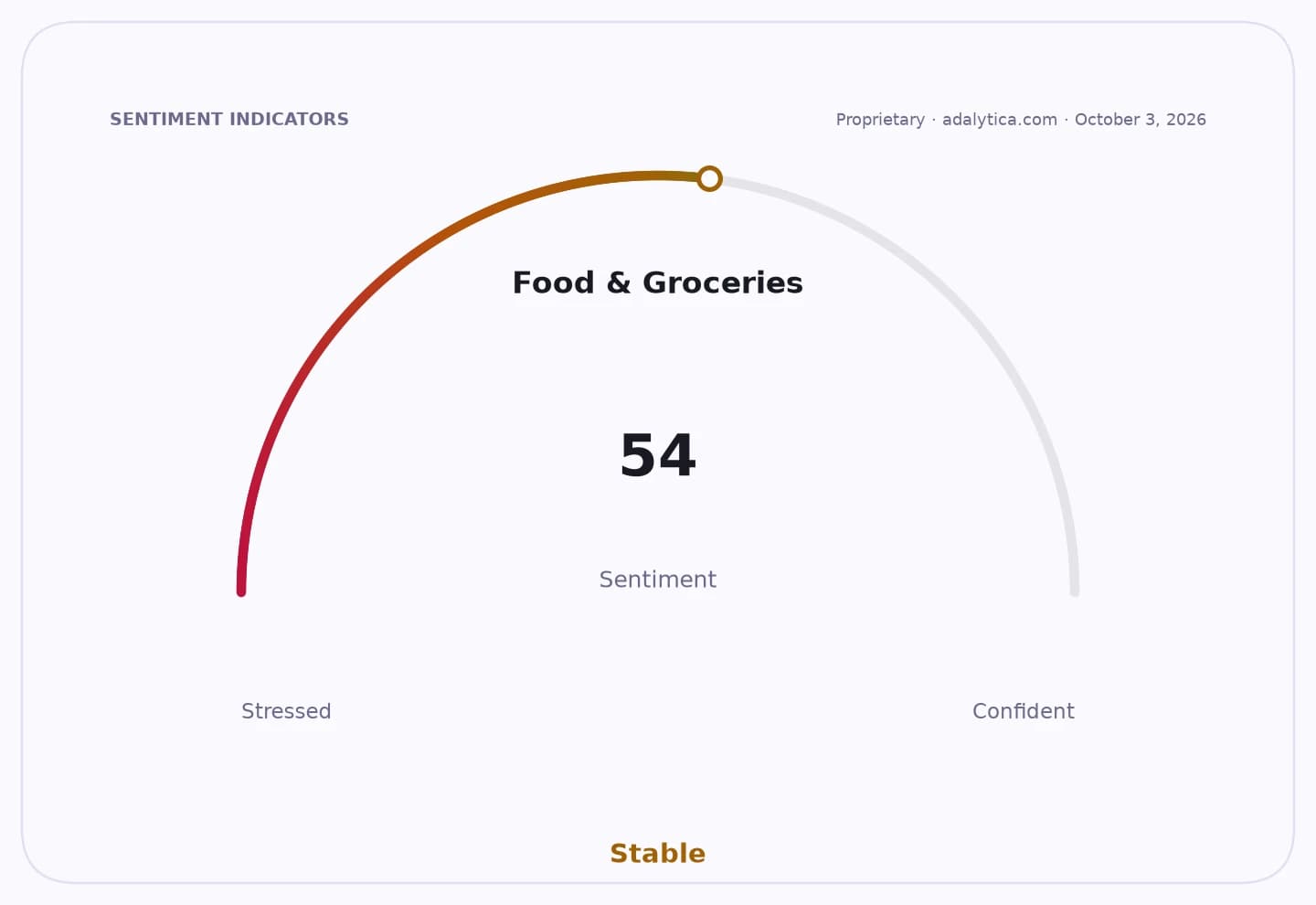
Sentiment IndicatorsⓘProprietary · adalytica.com · October 3, 2026
This is a snapshot — live sentiment, awareness and momentum for 130+ markets update continuously in the dashboard.Open AlphaPulse
The biggest culprit was food, beverages and tobacco, with chicken, rice and bird’s eye chilies leading the rise. Bank Indonesia’s local office said broiler prices remained elevated because supply tightened even as demand stayed strong. One reason demand is so firm is the government’s free nutritious meals program, which is boosting chicken consumption across the country. Rice prices were also pushed higher by developments at the Cipinang wholesale market, a reminder that regional inflation in Indonesia is increasingly being transmitted through national distribution channels. Chilies, meanwhile, were squeezed by prolonged dry weather that cut production.
For investors, this matters because food inflation is never just a consumer story. It can reshape spending patterns, pressure margins in food retail and consumer staples, and complicate the policy outlook if price spikes spread beyond a few volatile crops. In a province like Babel, sustained inflation above target also raises the risk that real incomes soften before wage growth can catch up, which would curb discretionary demand and favor basic necessities over higher-beta consumer names.
The market signal is clear: food inflation is becoming a structural theme again, not a one-off weather event. Adalytica’s CPI sentiment reading is at an extreme-greed level, showing how closely markets are now watching price pressure, while food and grocery spending sentiment remains elevated even as conditions have turned more volatile. That combination suggests investors are increasingly positioning for persistent grocery stress, not a quick reversal.
Globally, the backdrop is supportive of that view. Food prices have risen to their highest levels since 2022, reinforcing the idea that agricultural supply chains remain fragile and that local shocks can travel quickly through regional markets. For Indonesia, the next test will be whether supply normalization in poultry, rice and vegetables can arrive fast enough to cool inflation before it starts feeding into broader price expectations.
Our thesis is simple: the real opportunity is not in chasing the inflation spike itself, but in positioning for the second-order winners of a food-cost cycle. Agricultural inputs, logistics, cold storage, and staples distributors can all gain if food prices stay sticky, while households and consumer-facing businesses with weak pricing power remain exposed. If Babel is a preview, the next move in inflation-sensitive assets will be driven by who can control supply, not who can talk about demand.
| Entity | Gains | Losses |
|---|---|---|
| Poultry suppliers | ▲Higher selling prices | ▼Volume-sensitive households |
| Rice distributors | ▲Pass-through pricing power | ▼Retail consumers |
| Chili growers in wetter regions | ▲Better farm-gate prices | ▼Dry-weather producers |
| Food logistics and storage firms | ▲Higher throughput demand | ▼Discretionary retailers |