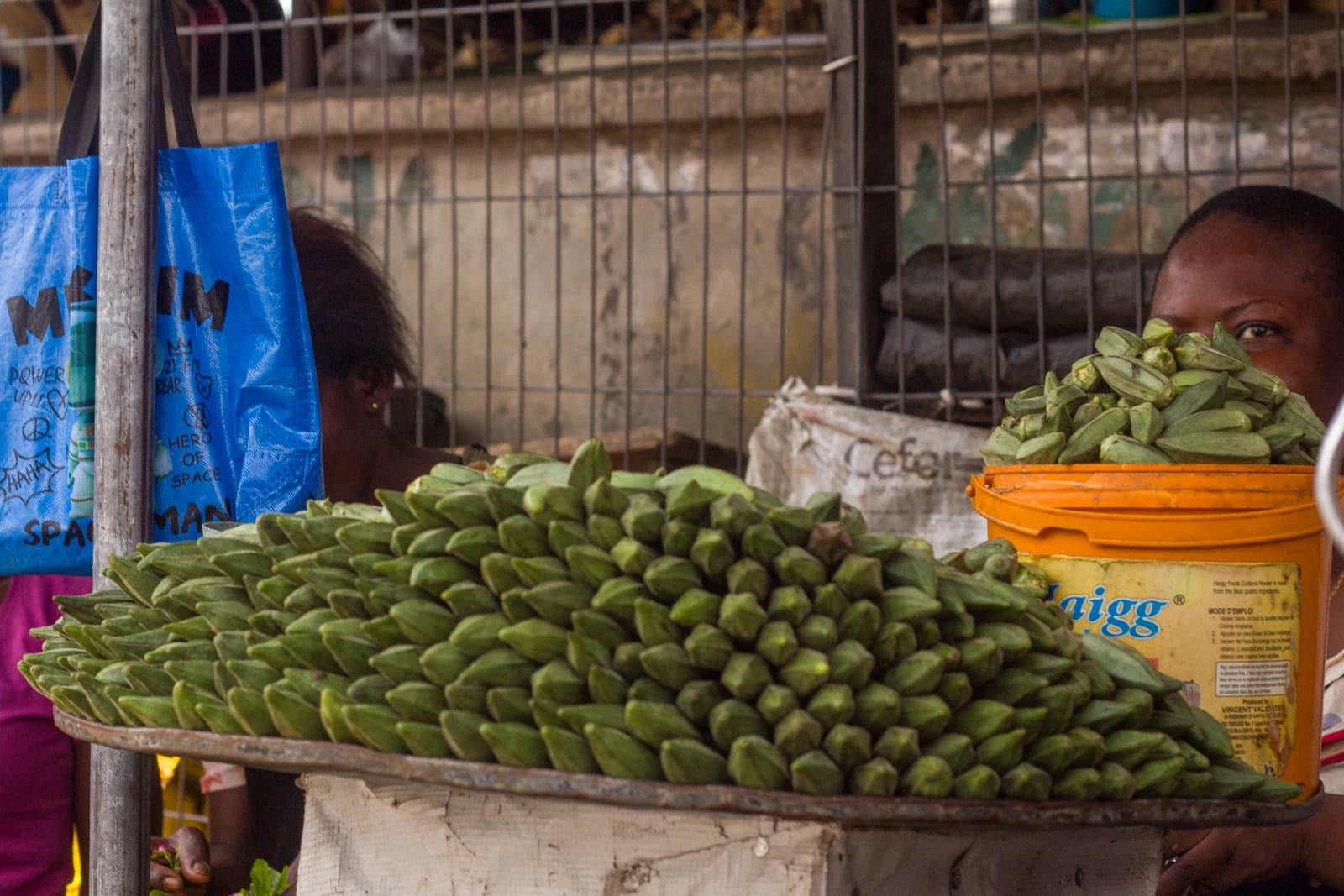
Indonesia’s government says the country has more than 4 million tons of rice in reserve, yet consumer prices remain stubbornly elevated — and Agriculture Minister Andi Amran Sulaiman is blaming market distortions, not a lack of supply.
Indonesia Rice Prices Stay High Despite 4 Million Tons

That matters because rice is Indonesia’s most politically sensitive food staple and one of the biggest drivers of household inflation. When stock is ample but prices still do not ease, it suggests the problem is moving beyond harvest cycles and into distribution, hoarding or other frictions in the supply chain. For investors, that is a reminder that food inflation can linger even when governments appear well supplied, keeping pressure on policymakers and on consumer spending power.
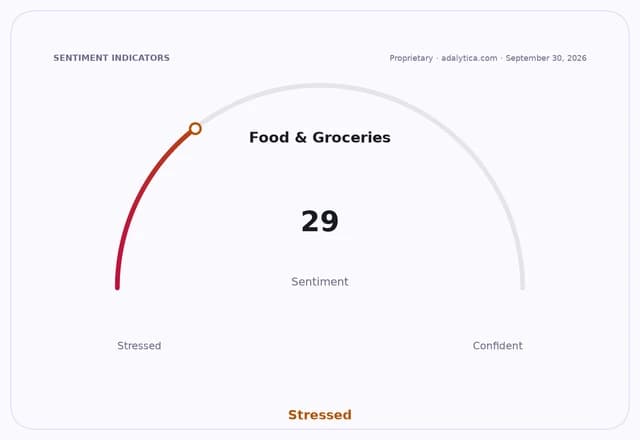
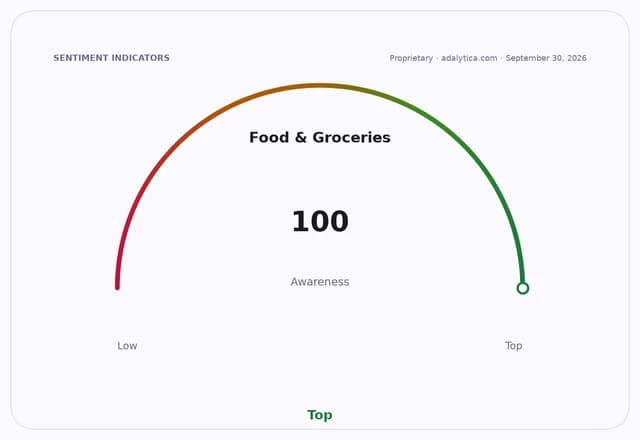
Sentiment IndicatorsⓘProprietary · adalytica.com · September 30, 2026
This is a snapshot — live sentiment, awareness and momentum for 130+ markets update continuously in the dashboard.Open AlphaPulse
Amran’s message was blunt: with national rice inventories above 4 million tons and imports no longer the main issue, there is “no room for rice mafia” in the country. He said the government has already processed 102 suspects in rice-related cases and is pursuing about 25 companies in a separate fortified-rice case. That enforcement push is part of a broader effort to pull prices back into line.
The state is also intervening directly. Authorities are running market operations, distributing rice aid to 33.24 million people, and adding 1 million tons to the SPHP price-stabilization program. In other words, Jakarta is not relying on supply alone; it is using stockpiles, subsidies and legal action together to stop prices from drifting away from fundamentals.
That strategy speaks to a bigger economic truth: food inflation is not just a production problem. Even where the crop is available, pricing can stay sticky if logistics, market power or compliance failures prevent goods from reaching consumers efficiently. The result is that governments may need to spend more, intervene longer and police the market more aggressively than headline inventory figures would suggest.
For long-term investors, the lesson is to watch the second-order effects. Persistent rice inflation can feed into broader cost-of-living pressure, influence central bank thinking and weigh on retail demand. It can also create winners and losers across the food chain: well-capitalized distributors and compliant suppliers may benefit from tighter enforcement, while weak operators and anyone exposed to elevated input or distribution costs could face margin pressure.
The key takeaway is that Indonesia’s rice story is no longer just about supply. It is about market structure, enforcement and the government’s willingness to keep intervening until prices behave like stock levels say they should. That is worth watching, especially if you invest for the long term and care about where inflation, consumer spending and policy pressure are headed next.
| Entity | Gains | Losses |
|---|---|---|
| Indonesian consumers | ▲Better chance of lower prices | ▼Continued food inflation |
| Government of Indonesia | ▲More control over inflation | ▼Bigger fiscal intervention burden |
| Compliant rice sellers | ▲Cleaner market conditions | ▼Less room for markup |
| Suspected hoarders/violators | ▲— | ▼Enforcement and legal risk |