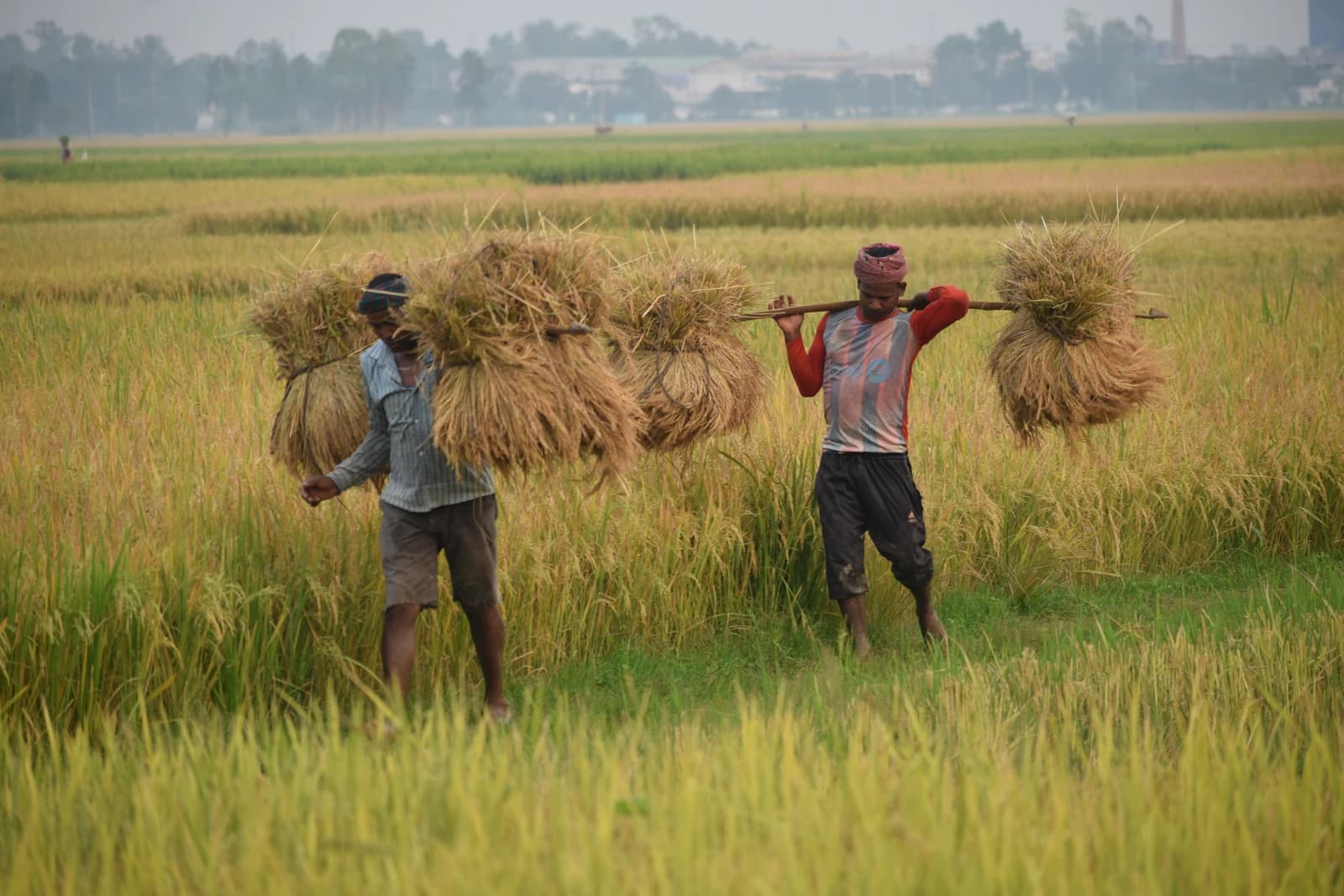
Nepal’s import bill for paddy and rice jumped to Rs 5.61 billion in the first two months of the fiscal year, underscoring how weather stress and weak domestic supply are forcing the agrarian economy to lean harder on foreign grain to keep staple food prices in check.
Nepal rice imports rise to Rs 5.61 billion
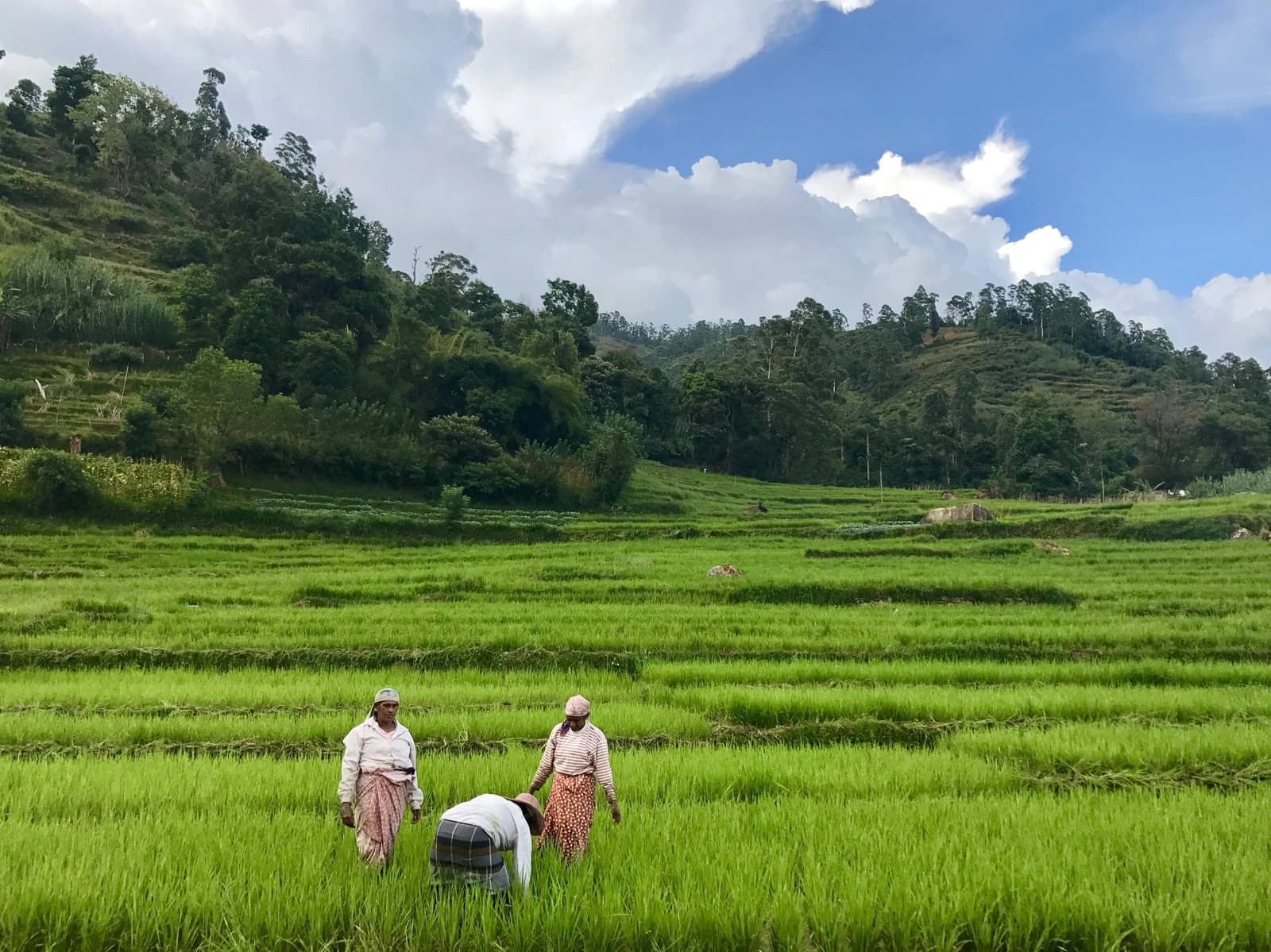
That matters because rice is not just another import item in Nepal — it is a household necessity, a political issue and a direct driver of inflation. When a country that grows much of its own food still has to buy more than 106 million kilograms of paddy and rice from abroad in just two months, it tells investors and policymakers that domestic production is not meeting demand and that food costs may stay elevated.
The customs data show paddy made up the biggest share of the volume, at 57.69 million kilograms worth Rs 2.14 billion, while imports of semi-milled or wholly milled rice totaled 36.79 million kilograms valued at Rs 2.35 billion. Nepal also spent Rs 1.02 billion on more than 9.34 million kilograms of Basmati rice, a sign that consumers and traders are still paying up for higher-value imports even as the broader market stays under pressure.
For investors, the story is less about one month’s trade figures than about the strain they reveal in the food chain. Rising grain imports can support customs revenue in the short term — the government collected more than Rs 420.4 million in duties on the shipments — but they also point to wider economic vulnerability. A bigger import dependency can worsen the trade deficit, weigh on the currency and make inflation more sensitive to global prices, freight costs and supply shocks.
The backdrop is not encouraging. Regional rice markets have been tight, and climate disruptions have made harvests less reliable. Nepal’s heavier reliance on imported paddy and rice suggests the country has little cushion if weather-related supply problems persist into the next planting and harvest cycles.
For long-term investors, the broader lesson is straightforward: food security is becoming an economic and market variable, not just an agricultural one. Companies tied to staples trading, logistics, packaging and import financing may continue to see steady demand, while households and the wider economy face the burden of higher food costs. This is the kind of structural pressure that tends to linger, so it is worth watching whether domestic output recovers enough to slow import growth in the months ahead.
| Entity | Gains | Losses |
|---|---|---|
| Importers and traders | ▲Higher volume, steady demand | ▼Margin pressure from costs |
| Nepal government | ▲More customs revenue | ▼Wider trade deficit risk |
| Consumers | ▲Better supply of staple food | ▼Higher rice prices |
| Domestic farmers | ▲Incentive to raise output | ▼Competition from imports |