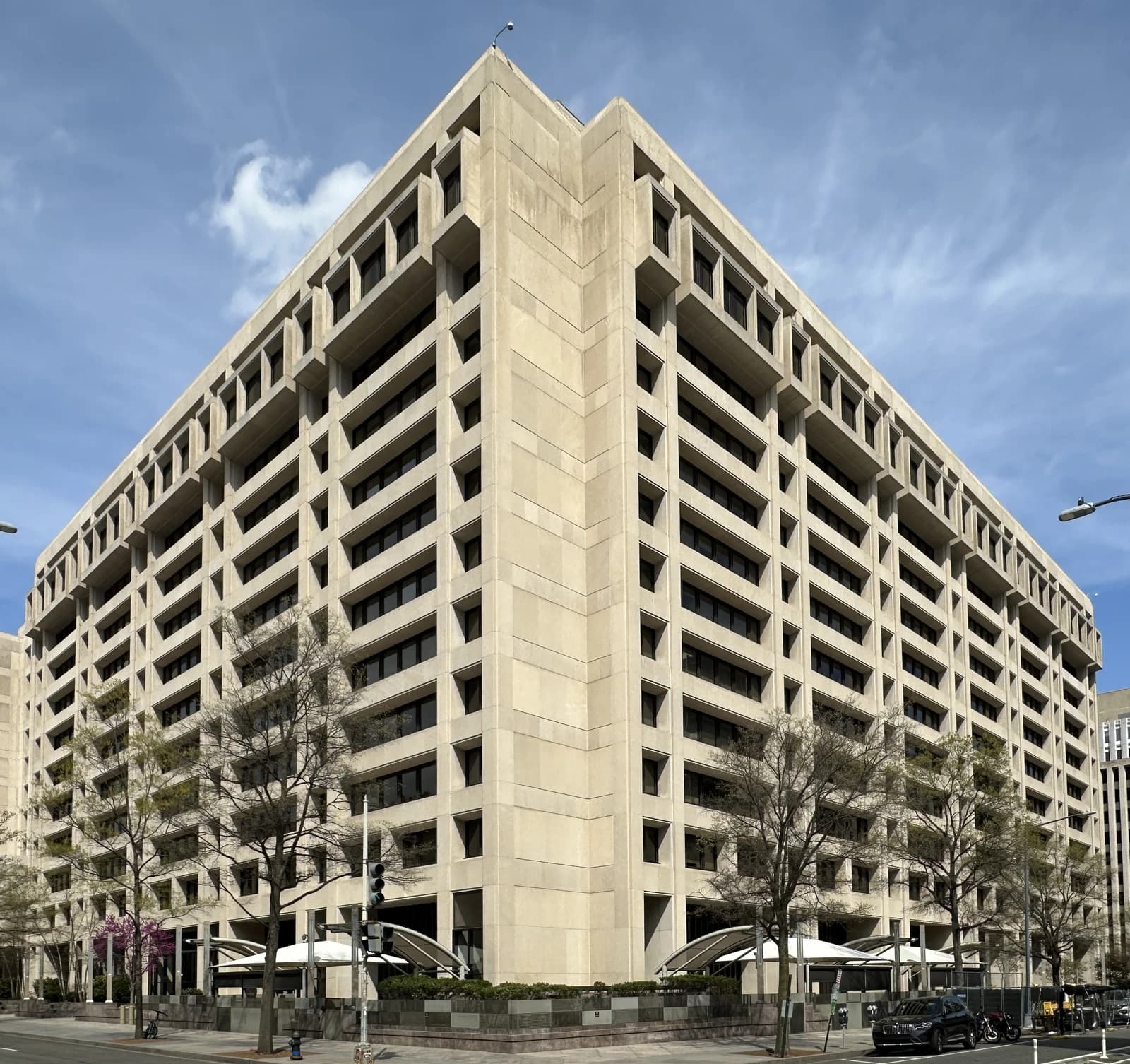
Nigeria’s battle with runaway prices is finally showing signs of easing, and that matters far beyond Abuja. The International Monetary Fund now expects inflation in Africa’s biggest economy to fall to 26.3% this year, alongside 3.3% economic growth, a combination that suggests President Bola Tinubu’s reform push may be starting to stabilize the country after a bruising stretch of currency weakness, subsidy cuts and soaring living costs.
Nigeria Inflation Forecast Falls to 26.3%
For investors, that is the real story: inflation easing from painful levels can help protect consumer demand, reduce pressure on the central bank and give businesses a better chance to plan, borrow and invest. Nigeria has spent much of the past year paying the price for long-delayed reforms, but a cooling price backdrop would be an important first step toward restoring confidence in one of emerging markets’ most watched turnaround stories.
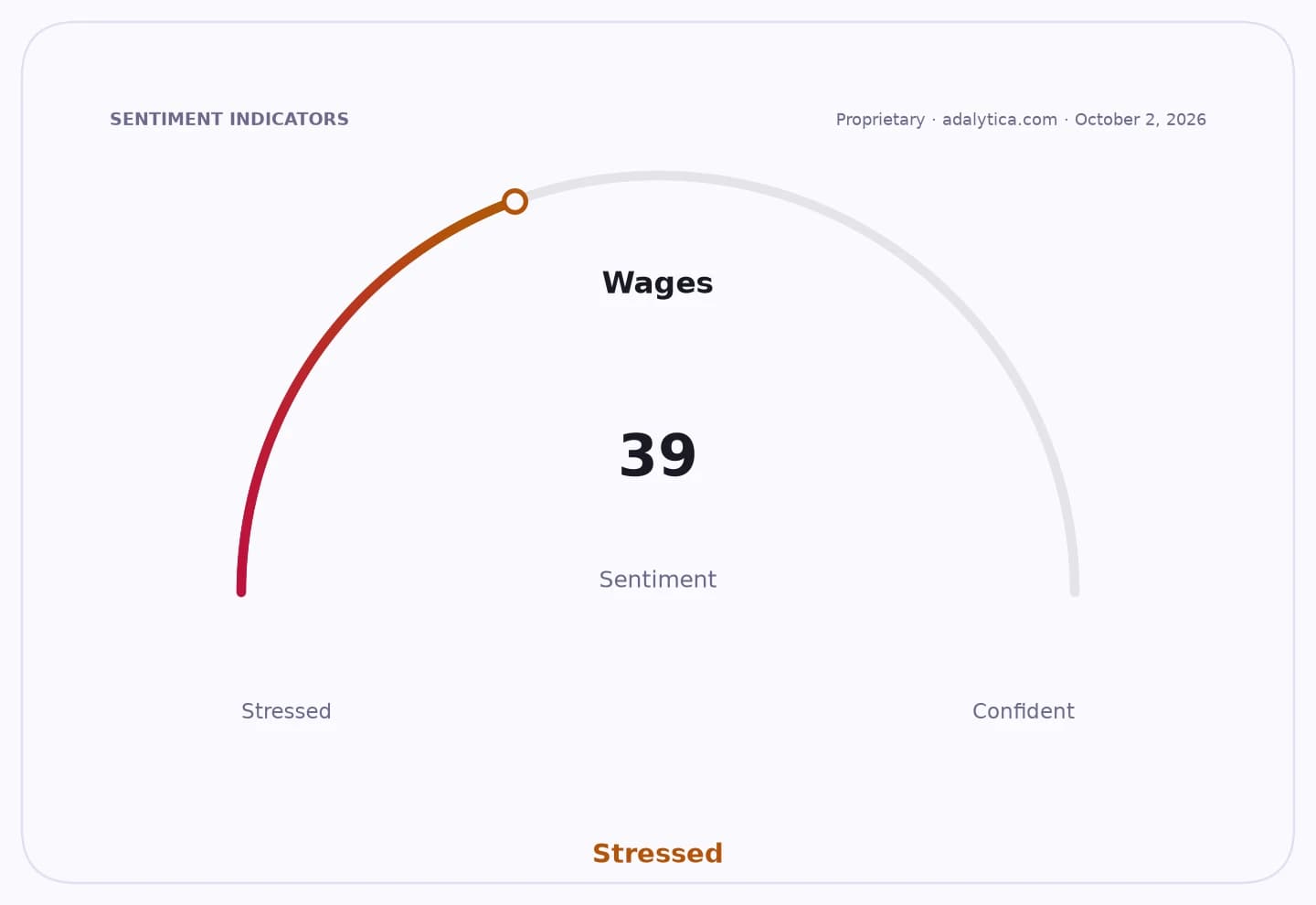
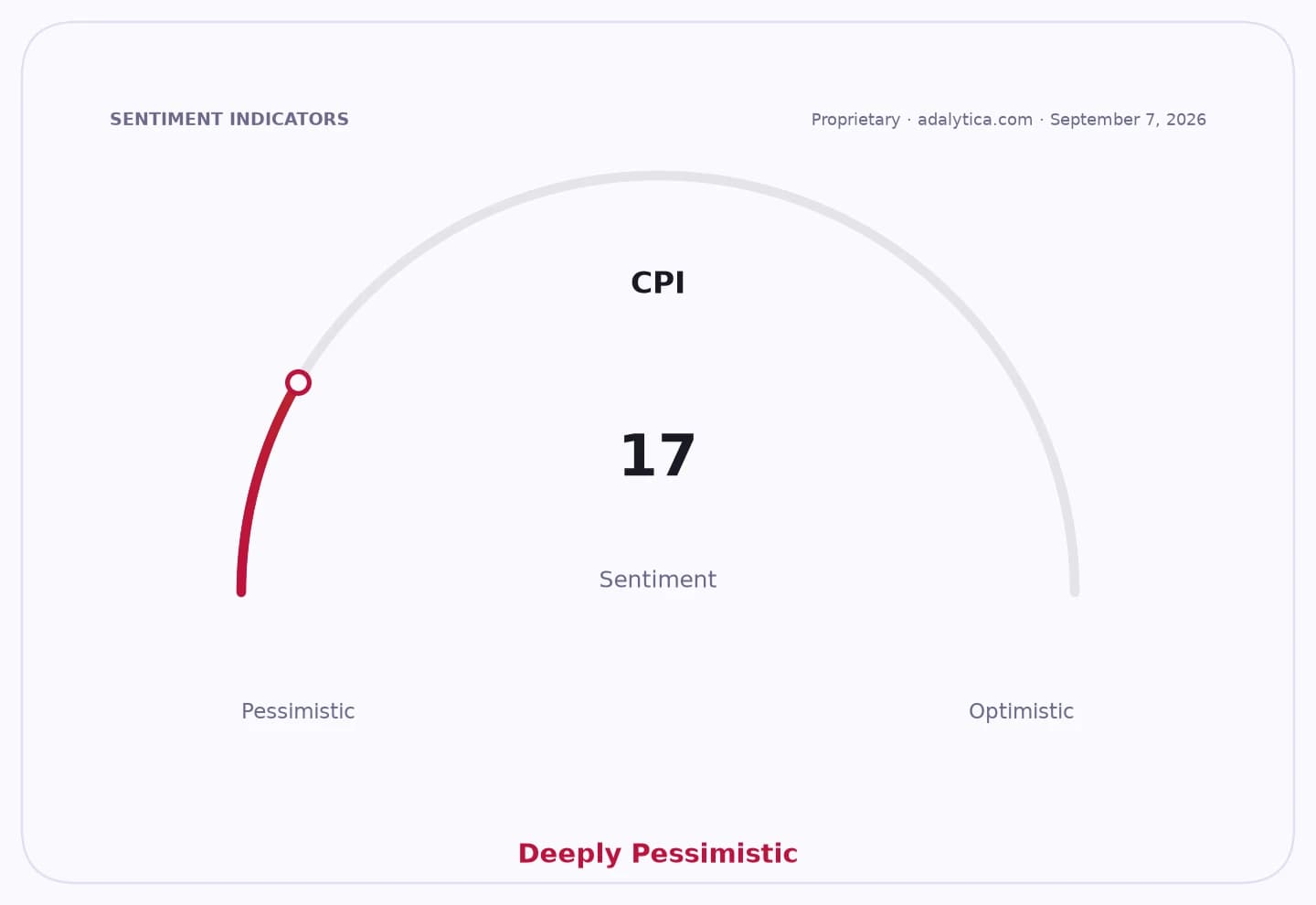
Sentiment IndicatorsⓘProprietary · adalytica.com · October 3, 2026
This is a snapshot — live sentiment, awareness and momentum for 130+ markets update continuously in the dashboard.Open AlphaPulse
The IMF’s forecast does not mean the crisis is over. Even at 26.3%, inflation would still be high by global standards and corrosive for households, especially in a country where food and transport costs hit ordinary consumers hardest. But direction matters in macro investing, and Nigeria is moving in the right direction if the fund’s numbers prove accurate.
That helps explain why the market has been willing to look through short-term pain and focus on the longer-term repair job. Lower inflation can support a more credible naira, ease the strain on corporate margins and eventually create room for stronger earnings growth in banks, consumer companies and other domestic businesses. In a country trying to attract capital back into sectors from energy to infrastructure, that is no small thing.
Tinubu has argued that the economy has turned a corner, pointing to falling inflation, a steadier foreign exchange market and stronger non-oil export earnings. The IMF’s projection gives that narrative more credibility, even if the benefits are still uneven and many Nigerians have yet to feel them in their pockets.
The big question for investors is whether the improvement can last. Nigeria still needs disciplined policy, better governance and sustained reform execution to keep inflation trending lower and growth moving higher. If it does, the country could become one of the more compelling long-term recovery plays in emerging markets. If it doesn’t, today’s optimism will look premature. For now, though, the IMF’s forecast keeps Nigeria on watch as a potential multi-year rebuilding story worth following closely.
| Entity | Gains | Losses |
|---|---|---|
| Nigerian consumers | ▲Slower price rises | ▼Eroding purchasing power |
| Nigerian businesses | ▲Easier planning, lower cost pressure | ▼Margin squeeze from inflation |
| Investors in Nigeria | ▲Better reform credibility, recovery upside | ▼Policy slippage risk |
| Central bank / policymakers | ▲Room to stabilize economy | ▼Less tolerance for mistakes |