Nigeria’s main labour union is pressing the government for a fresh minimum wage round and lower petrol prices, putting renewed pressure on President Bola Tinubu’s economic reforms as workers struggle with a cost-of-living squeeze that has outpaced pay.
Nigeria labour union pushes for higher minimum wage
The Nigeria Labour Congress said nominal wages have been eroded by inflation, pointing to petrol prices of N1,430 a litre or more in major cities and even higher rates in remote areas. It wants an immediate nationwide wage award, tax relief promised in a 2023 labour agreement and talks on a new national minimum wage before year-end.
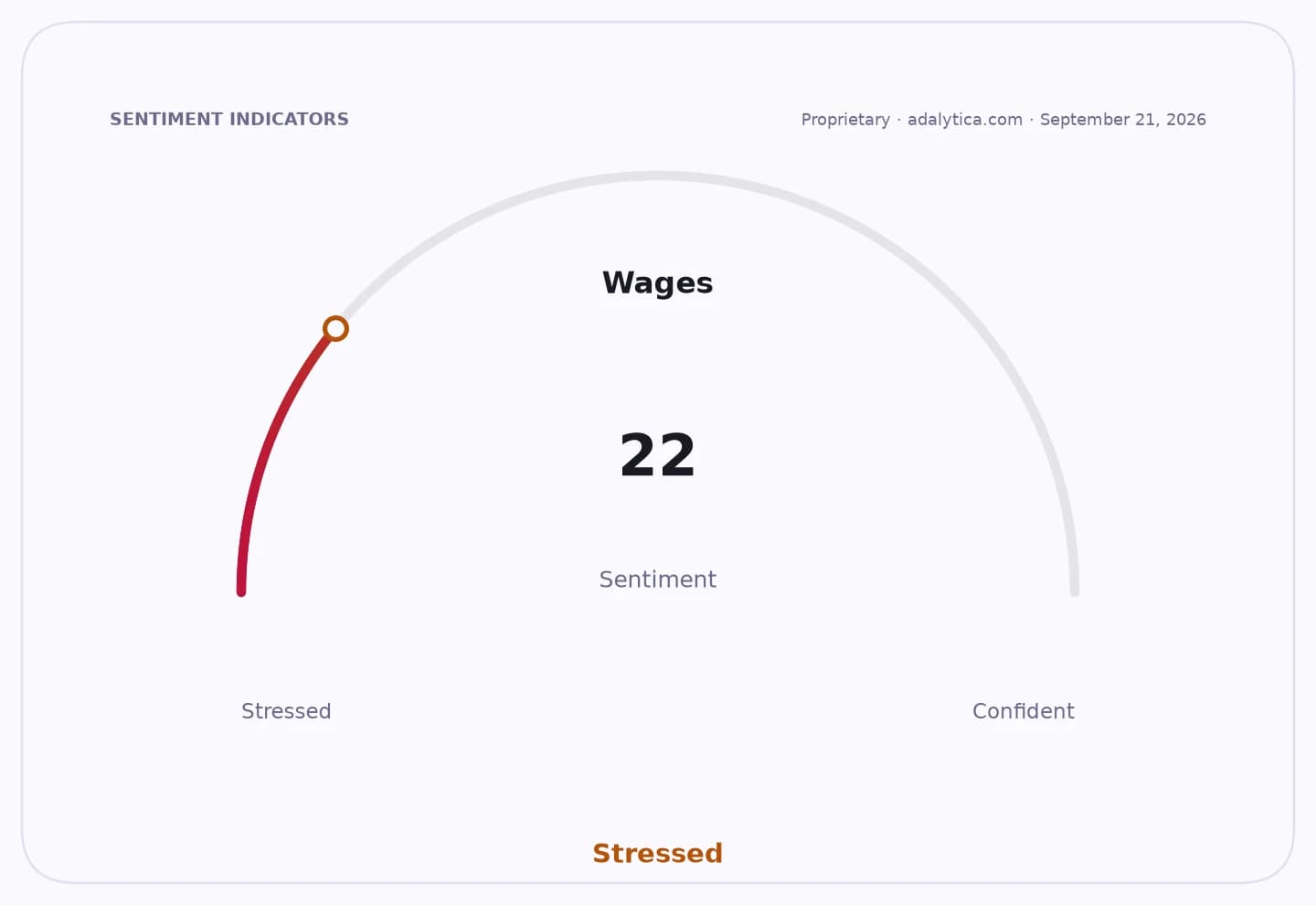
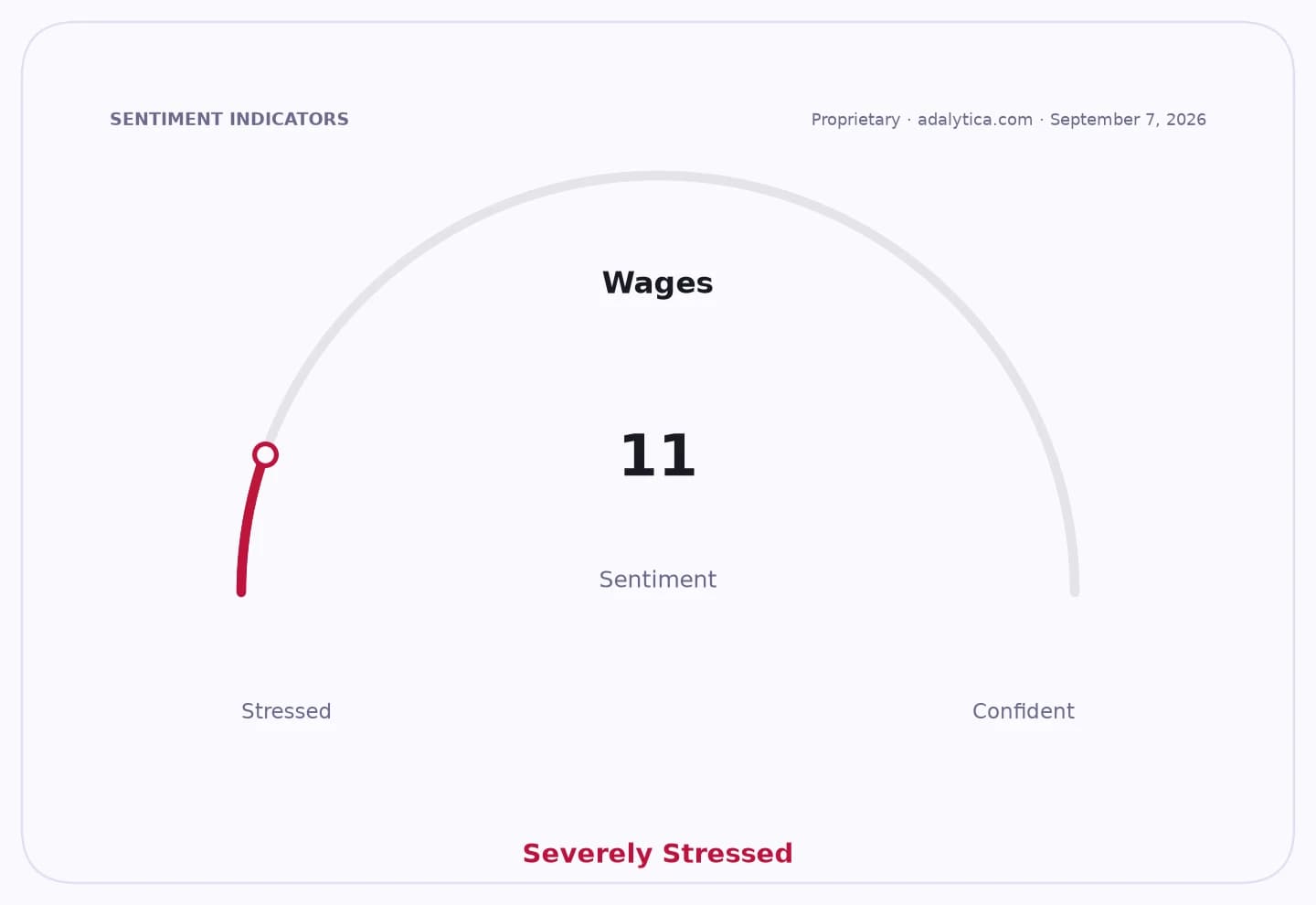
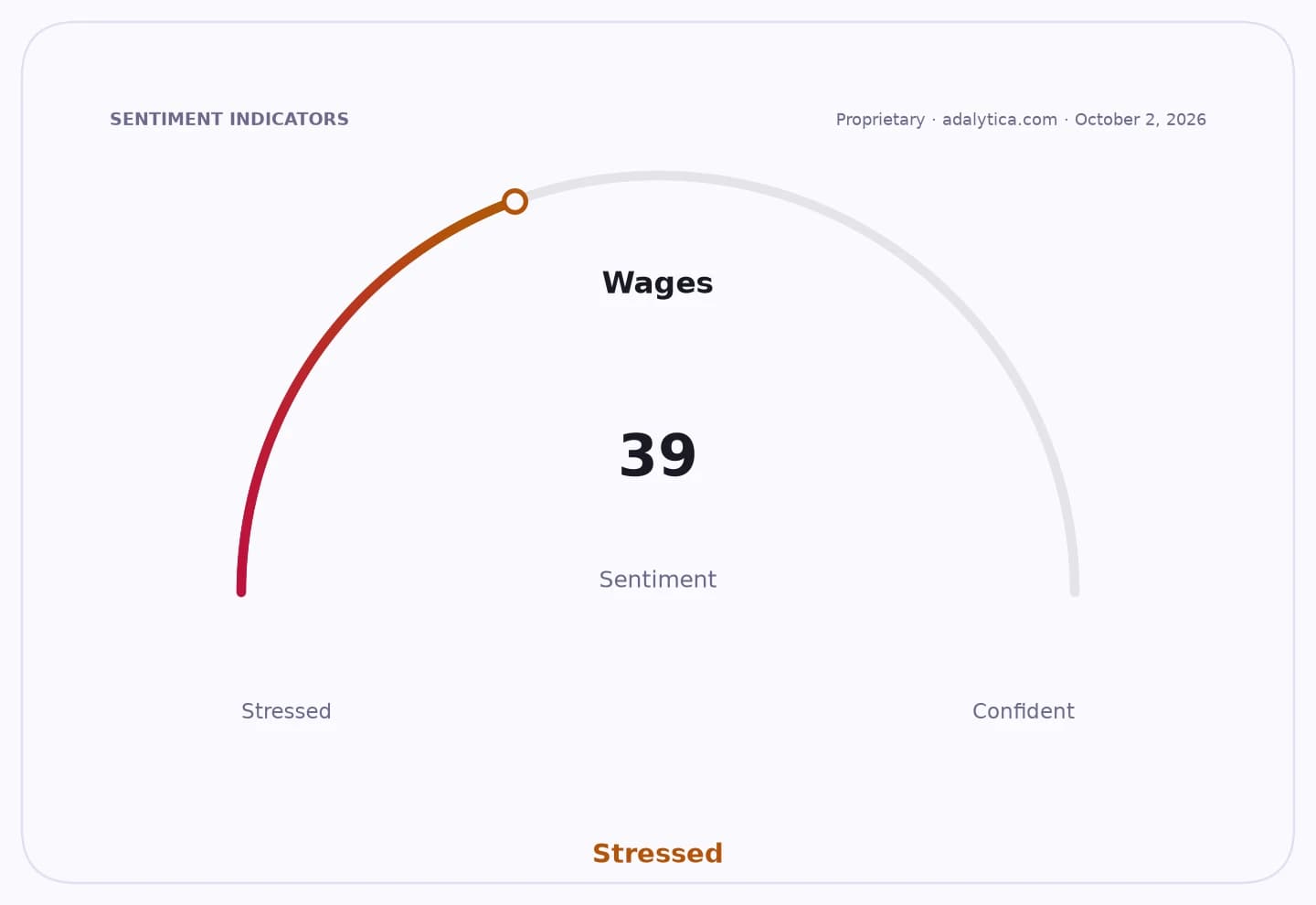
Sentiment IndicatorsⓘProprietary · adalytica.com · October 2, 2026
This is a snapshot — live sentiment, awareness and momentum for 130+ markets update continuously in the dashboard.Open AlphaPulse
The demands matter because fuel prices sit at the center of Nigeria’s inflation problem. The union said higher transport costs are feeding through to food, rent, schooling and other essentials, while the government’s 2023 subsidy removal has not yet translated into the infrastructure and social benefits officials promised.
For investors, the risk is that labour pressure keeps fiscal and political attention fixed on wage support just as Nigeria tries to stabilize prices, attract investment and rebuild confidence in policy. Higher wage demands could add to operating costs for employers, especially in consumer-facing sectors and public services, while any move to cushion households with subsidies or cash support would add budget strain.
The NLC also criticised Nigeria’s dependence on imported refined fuel and called for more investment in domestic refining, a reminder that the country still lacks the supply-chain resilience needed to keep pump prices down. That makes petrol an economic flashpoint as well as a political one.
The current minimum wage of N70,000, approved in July 2024, is already seen by the union as inadequate in real terms. With elections in 2027 approaching, the labour standoff is likely to intensify if inflation and fuel costs remain elevated.
| Entity | Gains | Losses |
|---|---|---|
| Nigerian workers | ▲Higher wages, possible relief | ▼Eroded purchasing power |
| Tinubu government | ▲Chance to negotiate | ▼Political pressure |
| Employers | ▲No immediate wage shock if talks stall | ▼Higher labour costs if wage rises |
| Fuel importers/consumers | ▲More clarity on pricing | ▼Higher transport and living costs |