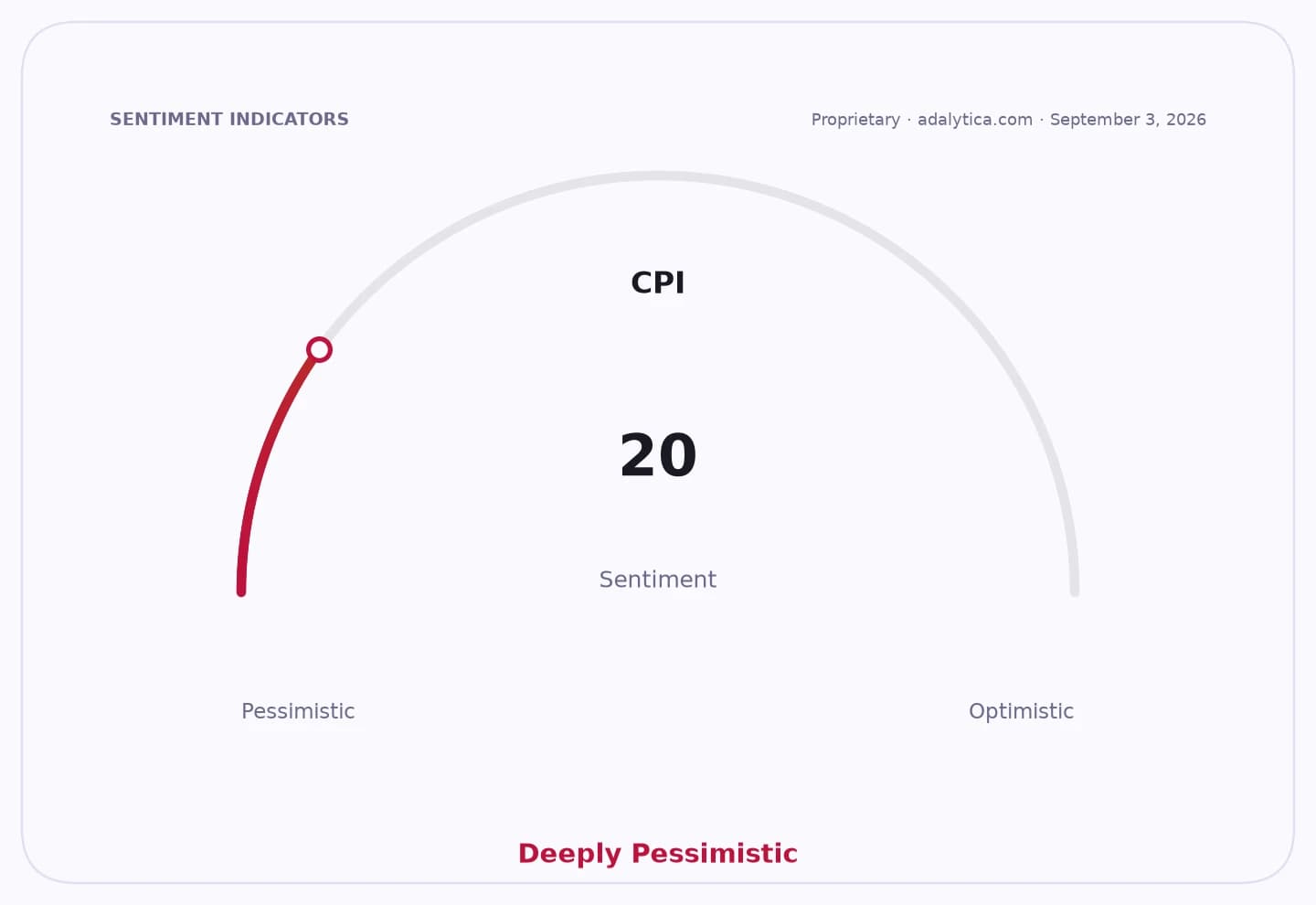
Angola’s inflation rate accelerated above 28% in April, its 12th straight monthly increase and the highest level in seven years, intensifying pressure on households, businesses and policymakers as Oxford Economics warns prices could top 31% by June.
Angola inflation tops 28% in April
The consumer price surge underscores how quickly purchasing power is eroding in Africa’s second-largest oil producer, where higher food, transport and imported goods costs are feeding through the economy. April’s reading was up 17.61 percentage points from a year earlier, after March inflation had already reached 26.09%, according to the National Statistics Institute.
The latest increase is the steepest inflationary stretch since June 2017, when the rate stood at 30.51%, and points to persistent price pressures rather than a temporary spike. For the central bank, the data raises the risk that tighter monetary policy may be needed to prevent inflation expectations from becoming entrenched, even as slower growth could weigh on credit and domestic demand.
For investors, the trend threatens corporate margins, consumer spending and local-currency assets, while raising the appeal of hard-currency revenues and exporters relative to domestically focused businesses. It also complicates the outlook for sovereign debt and financing costs at a time when imported inflation remains a major driver.
The next key test is whether inflation breaks above 31% in June, as Oxford Economics projects, which would deepen the case for tighter policy and signal that Angola’s price shock is still gaining momentum.
| Entity | Gains | Losses |
|---|---|---|
| Exporters with hard-currency earnings | ▲Better local-currency revenues | ▼Higher domestic costs |
| Households | ▲None | ▼Eroded purchasing power |
| Local consumer companies | ▲Potential price pass-through | ▼Margin pressure from weak demand |
| Angola policymakers | ▲Stronger case for action | ▼Slower growth and tighter conditions |