Vietnam’s economy accelerated sharply in the first nine months of 2026, but the stronger growth story now comes with a harder policy trade-off as inflation crept up and imports surged faster than exports.
Vietnam GDP Grows 9.01% in First Nine Months
Gross domestic product rose 9.01% from a year earlier in the January-September period, with third-quarter GDP up 9.95%, according to the General Statistics Office. That pace puts Vietnam among the fastest-growing economies in Asia and keeps alive the government’s bid to reach the highest possible growth rate under its 2026 target.
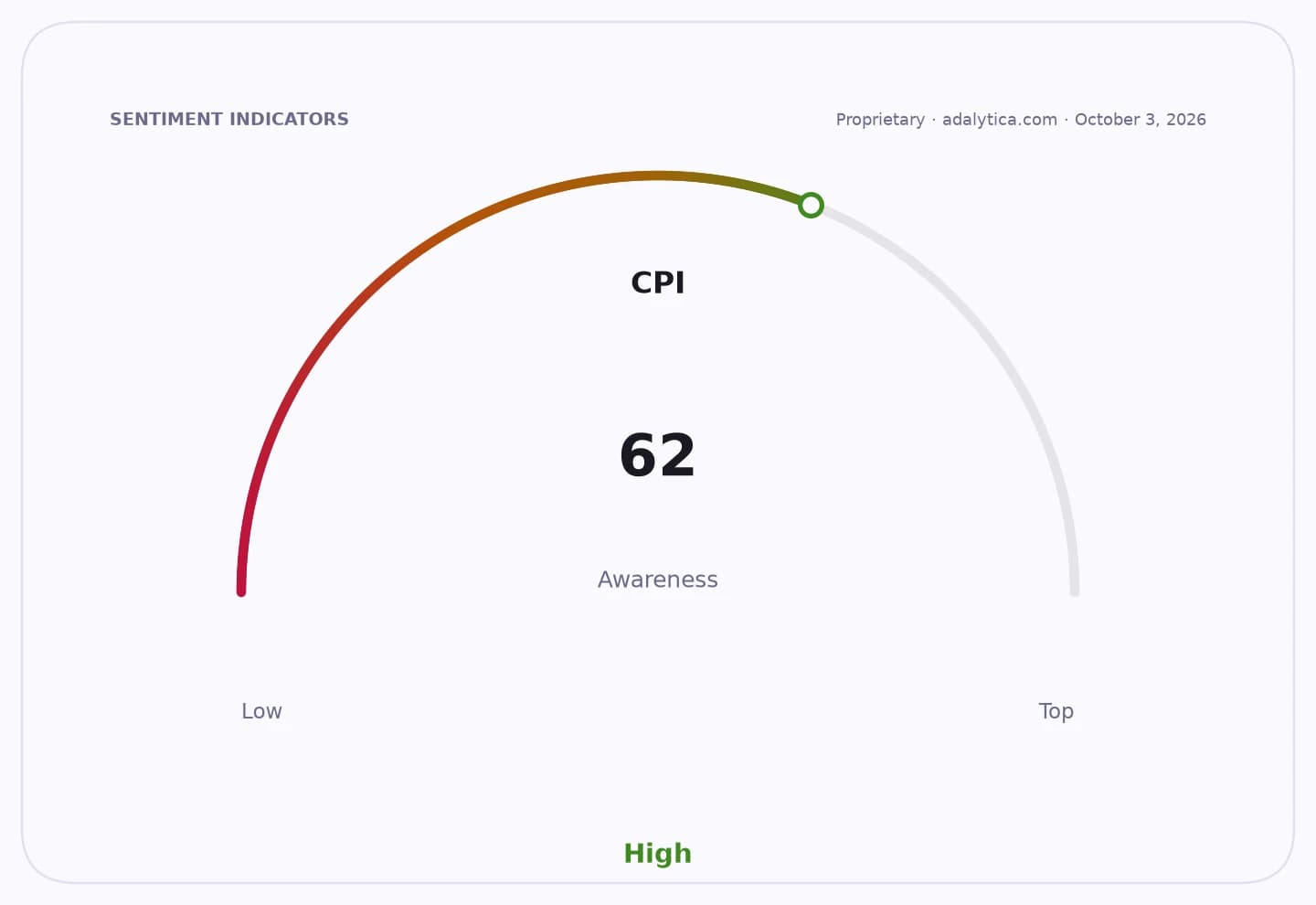
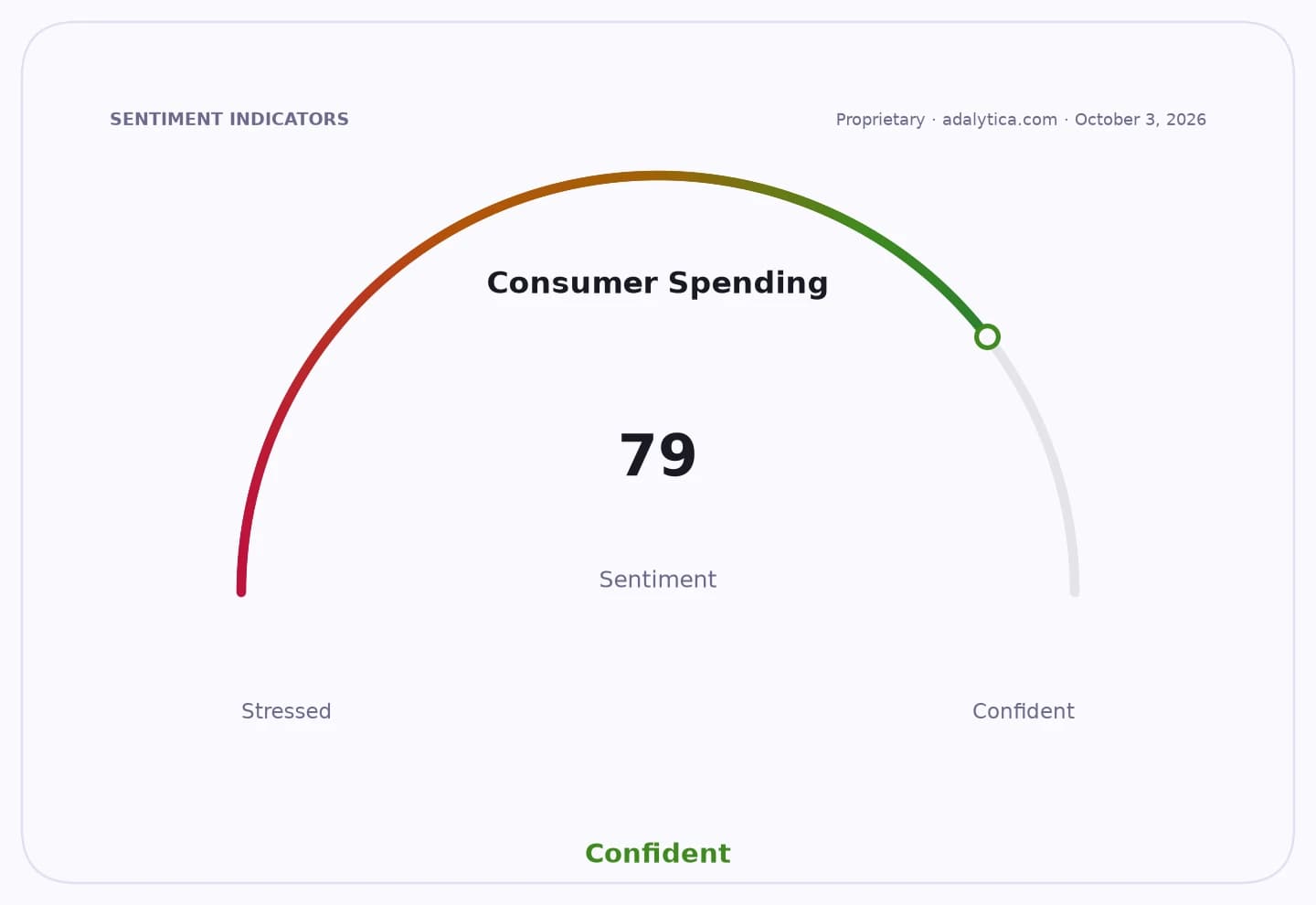
Sentiment IndicatorsⓘProprietary · adalytica.com · October 3, 2026
This is a snapshot — live sentiment, awareness and momentum for 130+ markets update continuously in the dashboard.Open AlphaPulse
The composition of growth matters as much as the headline number. Industrial production and construction expanded 11.21% in the nine-month period and accounted for nearly half of total value-added growth, while services rose 8.69% and agriculture 4.02%. Manufacturing remained the main engine, with output up 11.36%, helped by larger projects coming on stream, recovering export orders and faster public investment disbursement. Construction also accelerated 12.22%, pointing to a broader domestic investment cycle.
For investors, the message is two-sided. The upside is that Vietnam’s economy is still generating broad-based demand across industrial supply chains, logistics, retail, finance and tourism. That supports earnings momentum for domestic cyclicals and companies tied to infrastructure spending, consumption and trade. The downside is that a stronger economy is also pulling in more imports: goods and services imports climbed 27.19% in the nine months, faster than the 21.29% rise in exports, which could weigh on the trade balance and make growth more dependent on external financing and capital inflows.
Inflation is the other constraint. Consumer prices rose 4.52% on average in the nine-month period, above the government’s preferred comfort zone and close enough to limit room for policy easing. September CPI alone rose 0.62% from August, driven mainly by higher domestic fuel prices following global energy moves. Core inflation averaged 4.26%, underscoring that price pressures are not just a short-lived energy story. Gold prices also jumped 42.67% on average in the period, a sign of persistent demand for inflation hedges, while the U.S. dollar index was little changed.
That combination — fast growth, firmer inflation and a widening import bill — explains why officials are pressing for tighter coordination between fiscal and monetary policy, faster public investment and continued support for manufacturing, exports and digital infrastructure. The government is still aiming for double-digit growth, but the room for error is narrowing.
Ho Chi Minh City’s third-quarter GRDP growth of 9.86%, the fastest in a decade, reinforces the national picture: Vietnam’s growth engine is running hot. The question for markets is whether policymakers can keep it there without letting inflation, currency pressure or external imbalances erode the gains.
| Entity | Gains | Losses |
|---|---|---|
| Vietnamese exporters | ▲Stronger industrial demand | ▼Higher import competition |
| Domestic manufacturers | ▲Faster output growth | ▼Margin pressure from input costs |
| Consumers | ▲More jobs and income | ▼Higher food, fuel and housing costs |
| Policymakers | ▲Growth momentum | ▼Less room for easy policy support |