Vietnam’s sharp gasoline hike is now a direct inflation story, not just a pump-price story, because higher fuel costs are already lifting feed, transport and industrial prices while policymakers run out of room to cushion the shock.
Vietnam gasoline hike lifts inflation and costs
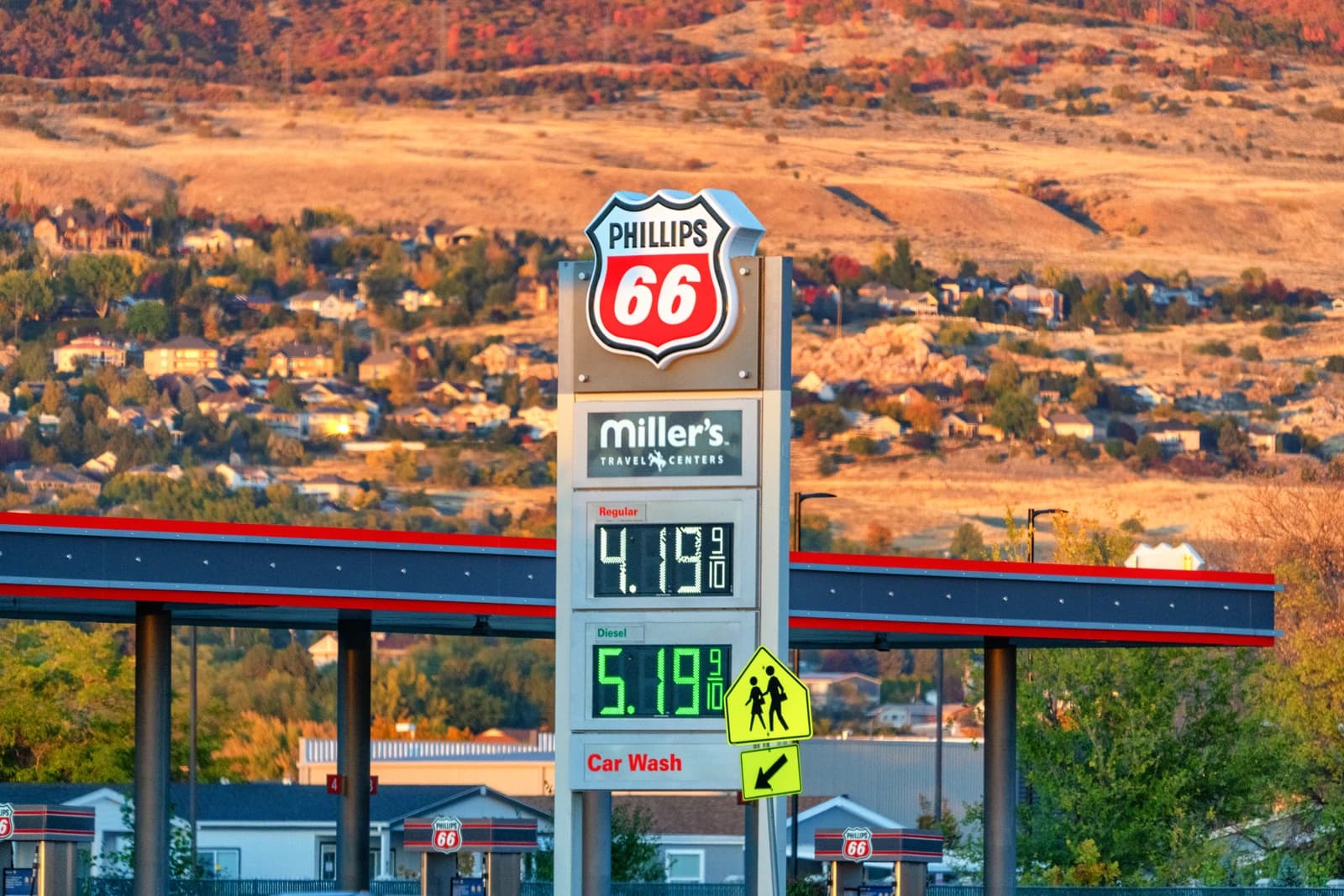
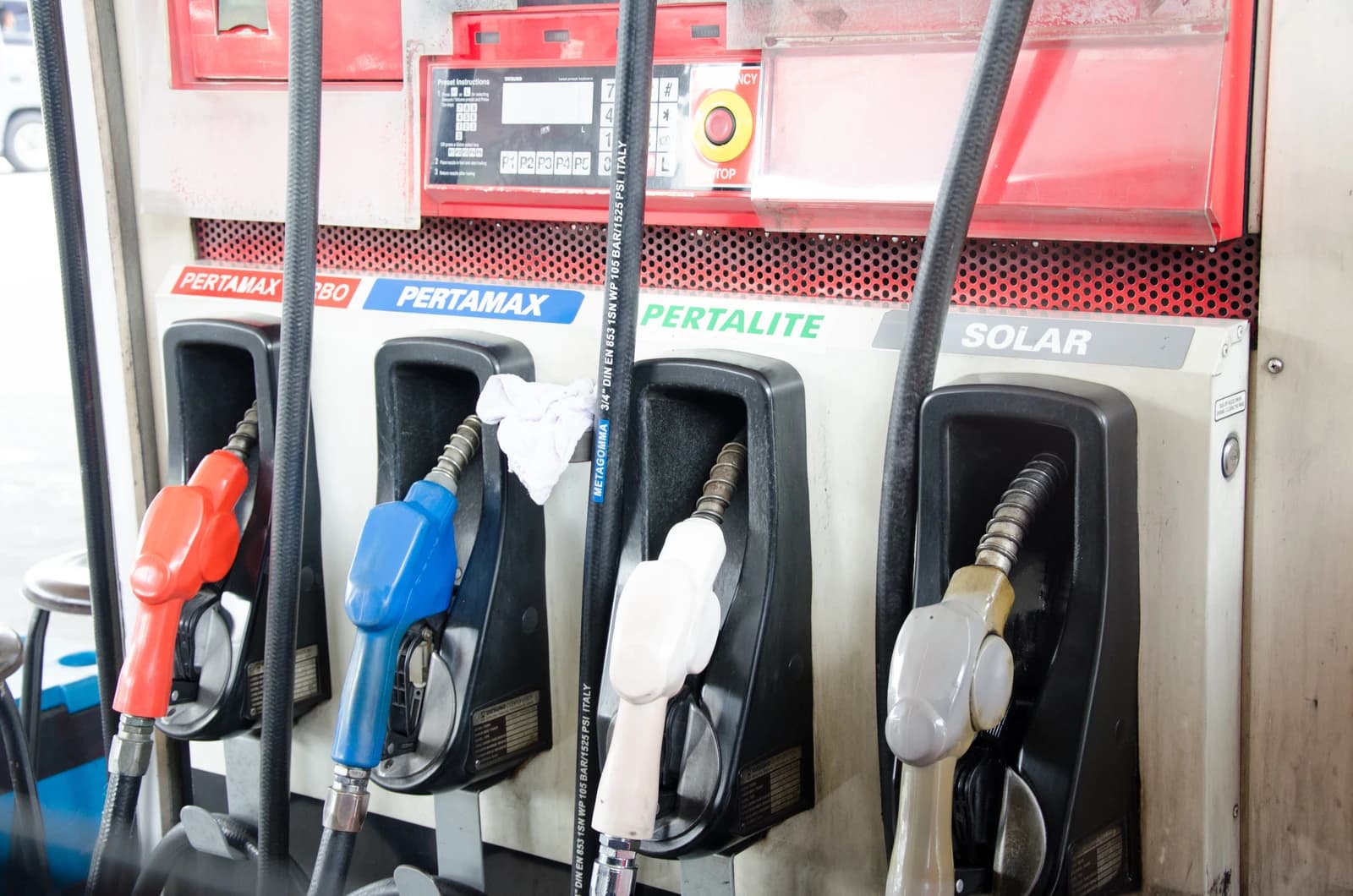
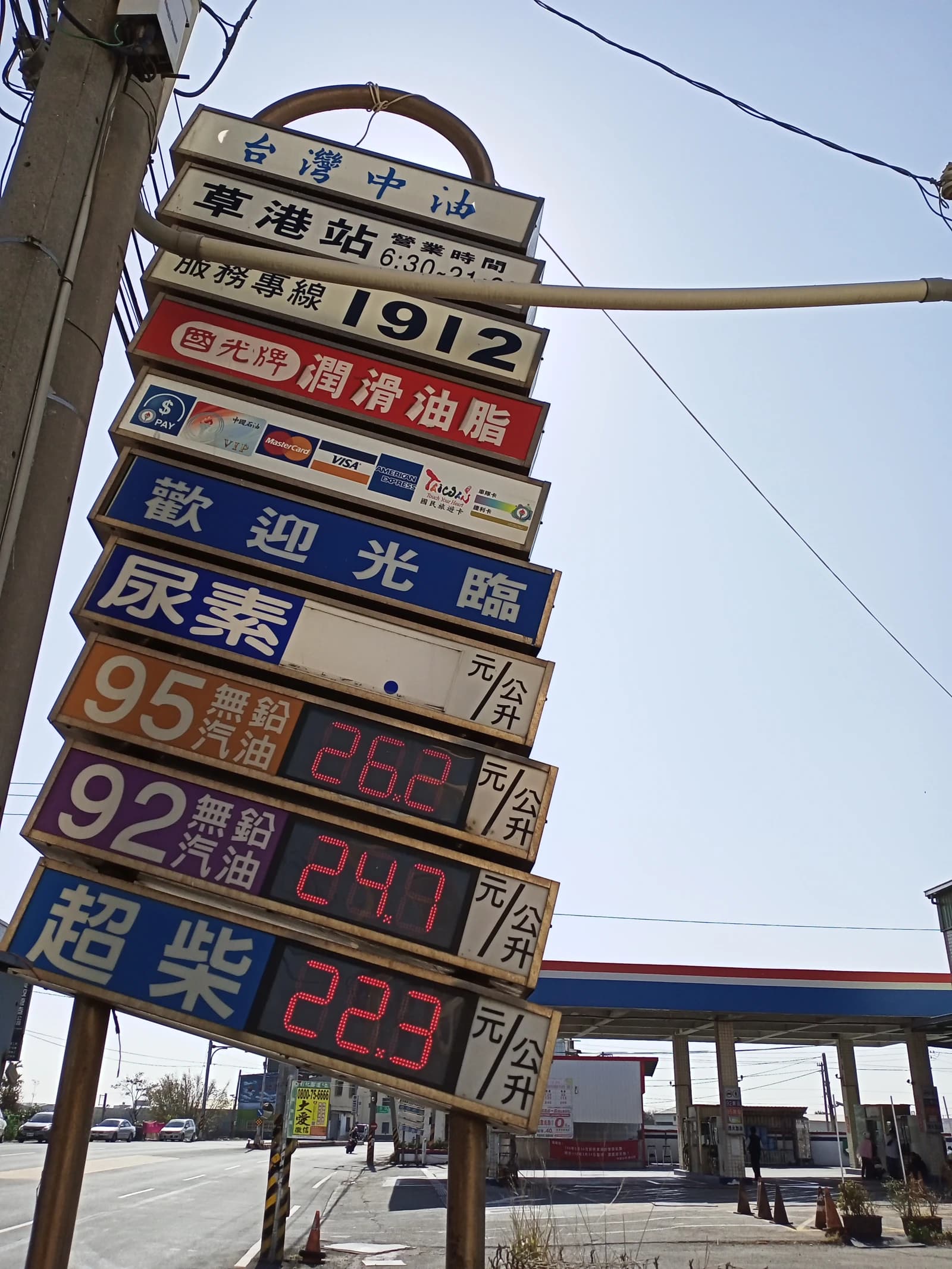
On Sept. 24, domestic gasoline and diesel prices rose again, with E5 RON92 climbing to 26,397 dong a liter, E10 RON95-III to 27,087 dong and diesel to 30,497 dong, extending a run of four straight gasoline increases and three consecutive diesel hikes. The move is squeezing businesses from livestock to logistics and raising the odds that consumer inflation stays sticky into year-end.
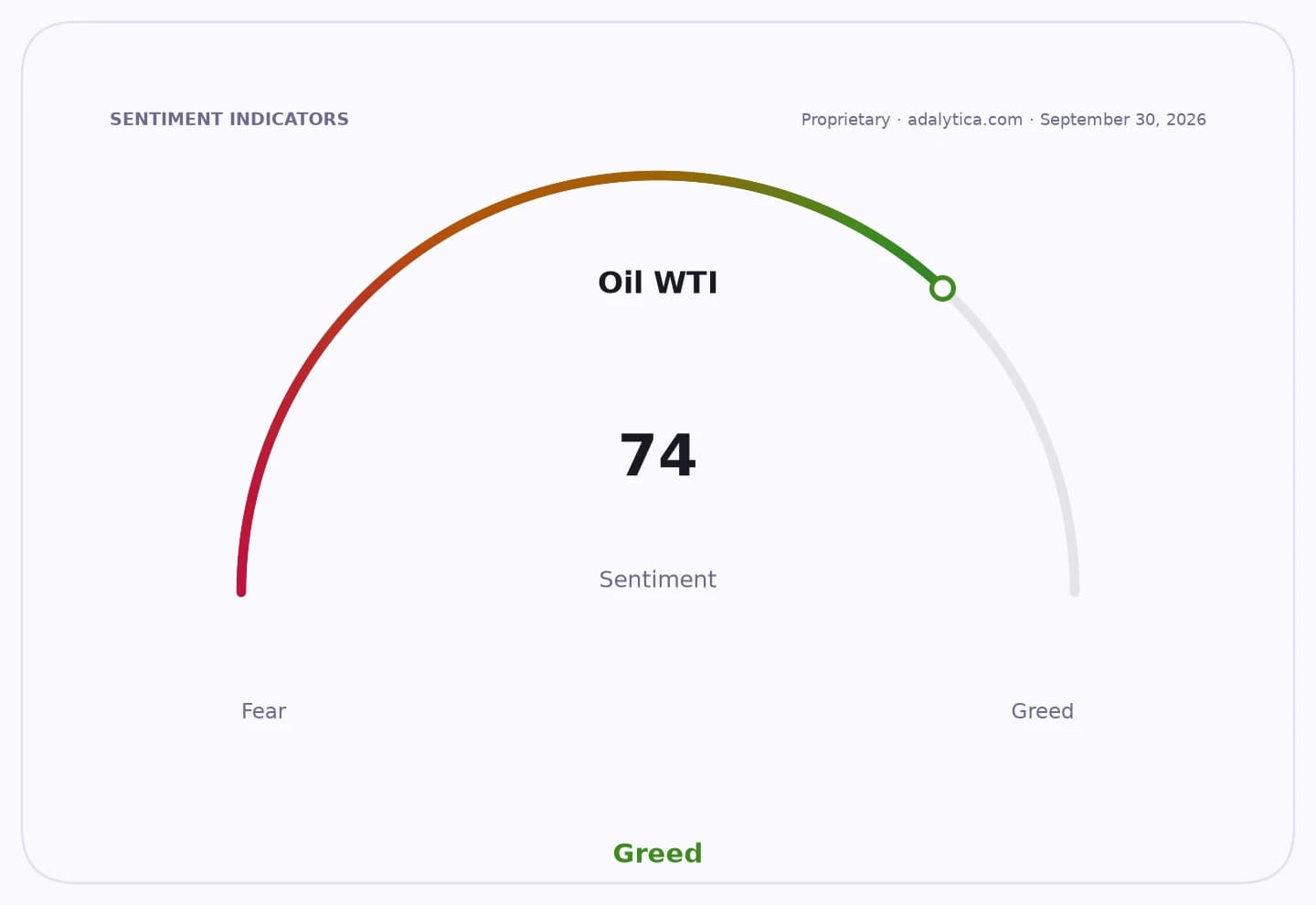
Sentiment IndicatorsⓘProprietary · adalytica.com · September 30, 2026
This is a snapshot — live sentiment, awareness and momentum for 130+ markets update continuously in the dashboard.Open AlphaPulse
The most immediate pressure is showing up in food and farm costs. A livestock operator in Son La said feed prices have risen three times in 20 days, adding 800 to 1,000 dong per kilogram and lifting pig production costs by about 2,000 dong per kilogram. With live pigs still around 56,000-57,000 dong per kilogram against production costs near 60,000 dong, losses are mounting across the supply chain.
That matters far beyond one farm. Vietnam’s August CPI rose 0.47% from July, driven largely by fuel, while transport costs climbed 4.09% on the month and added 0.41 percentage point to headline inflation, according to the statistics office. For the first eight months of 2026, CPI was up 4.45% from a year earlier, already leaving little buffer against a further energy shock.
DCOILWTICO vs CPIAUCSL — macro contextadalytica.com
Explore this data interactively — full history, time series and cross-market comparisons.Open AlphaPulse
The problem is global, and it is getting worse at the exact wrong time. One policy researcher said crude Brent is near $99 a barrel, but refined product prices have surged much more sharply, with gasoline equivalent values around $141-$146 a barrel and diesel at $182-$183, reflecting a widening crack spread as shipping routes face disruption and refiners enter maintenance season. That combination tightens supply of finished fuel even when crude itself does not explode higher.
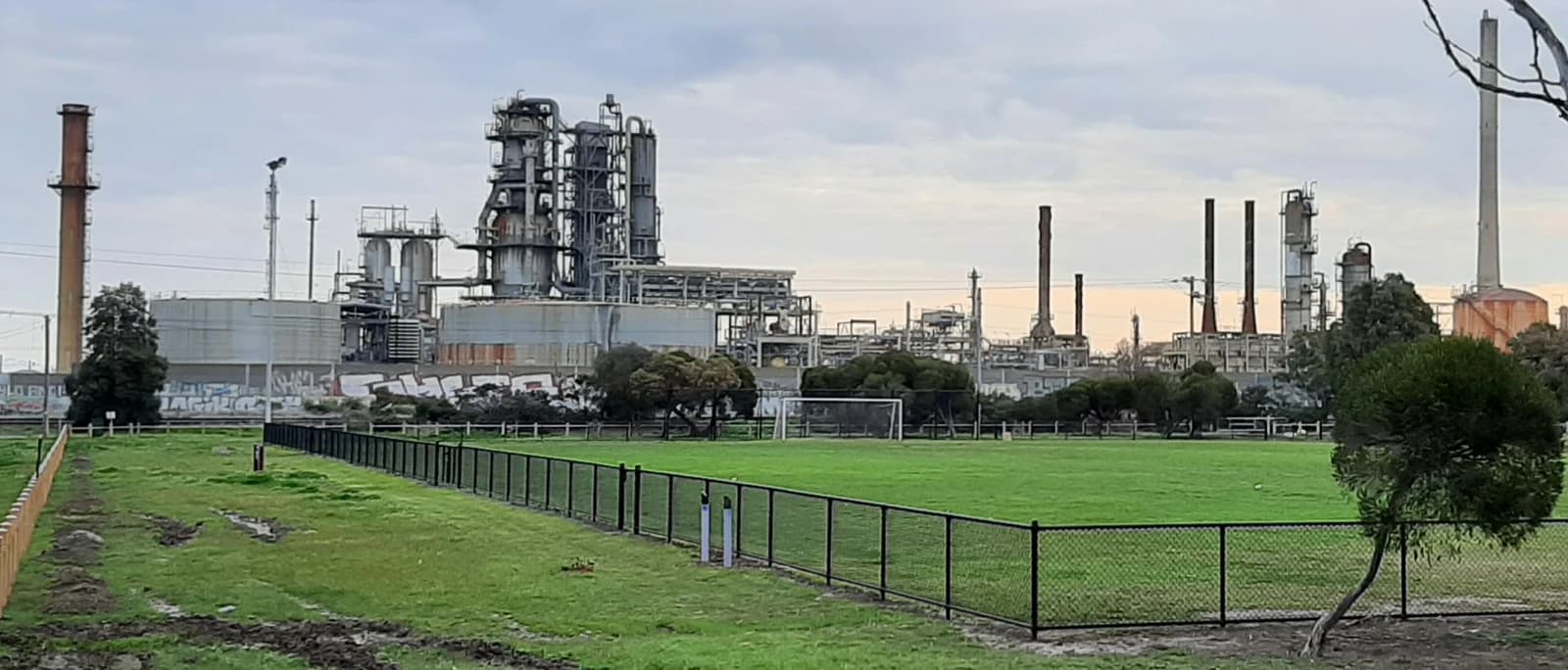
Investors should care because this is a margin-transfer story. Higher refined-product prices are a tailwind for refiners, and the researcher specifically flagged Vietnam’s Nghi Son and Binh Son plants as potential beneficiaries of the wider spread between crude and products. The same dynamic has already supported global refining names, with recent U.S. filings from Marathon Petroleum and Chevron showing downstream results remain highly sensitive to refining margins and product spreads.
The other side of the trade is inflation-sensitive assets and consumer-exposed sectors. If diesel stays elevated, transportation, agriculture and manufacturers will feel the squeeze first, and those cost increases will ripple into food and services prices before they reach households. That is why policymakers are being forced to choose between fiscal support and inflation control.
The room for a broad subsidy is shrinking. Vietnam has already extended tax relief on fuel through Sept. 30, cutting state revenue by about 15.4 trillion dong over three months, while the fuel price stabilization fund is reportedly short on cash and has borrowed 8 trillion dong from the budget. That leaves fewer tools to blunt the next leg higher if oil stays firm.
The market is missing the asymmetry here: this is not just about paying more at the pump. It is about a likely rotation of capital toward refiners, fuel distributors and commodity-linked assets, while airlines, transporters, consumer staples producers and livestock operators absorb the margin hit. Adalytica’s oil trade signals still show greed in crude, even as awareness remains extremely low, a mix that often precedes volatility rather than calm.
For investors, the setup argues for owning the toll roads of the energy system — refiners and fuel infrastructure — while staying cautious on sectors that cannot pass through higher input costs quickly. If gasoline and diesel remain elevated into the holiday season, Vietnam’s inflation target will get harder to defend, and the winners and losers in the equity market should become much clearer.
| Entity | Gains | Losses |
|---|---|---|
| Refiners, including Nghi Son and Binh Son | ▲Wider product margins | ▼Crude-linked volatility |
| Transportation and logistics firms | ▲None | ▼Higher diesel costs |
| Livestock and food producers | ▲None | ▼Feed and operating costs |
| Consumers and inflation-sensitive sectors | ▲None | ▼Lower purchasing power |