Vietnam’s prime minister has told officials not to raise electricity prices, putting inflation control ahead of tariff increases just as the economy heads into the final, and most sensitive, stretch of the year.
Vietnam PM blocks electricity price increases
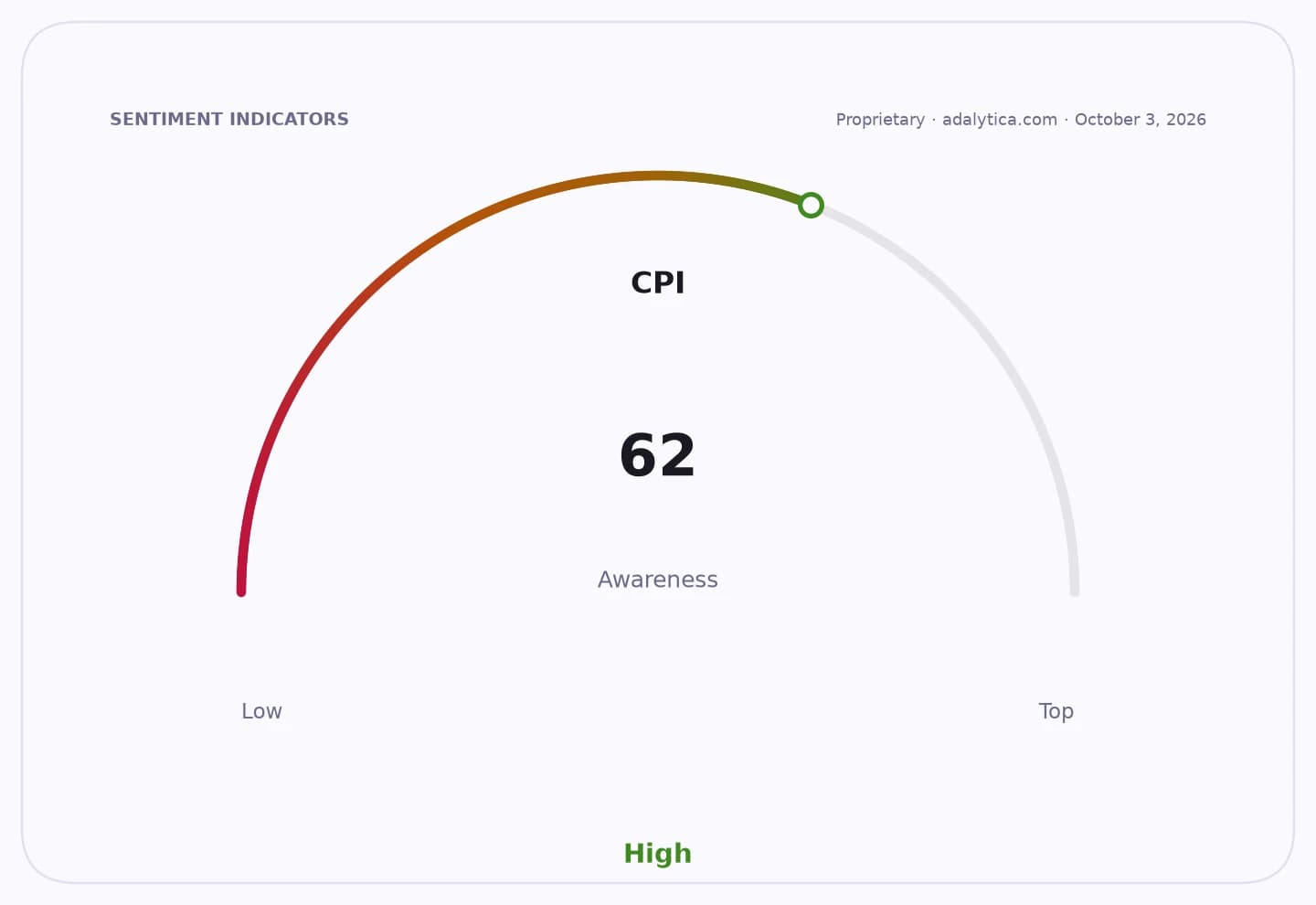
That matters because power prices feed directly into household budgets, industrial costs and the broader consumer-price basket. With average CPI for the first nine months up 4.52%, the government is clearly trying to keep full-year inflation near the National Assembly’s roughly 4.5% target rather than risk a late-year overshoot from energy costs.
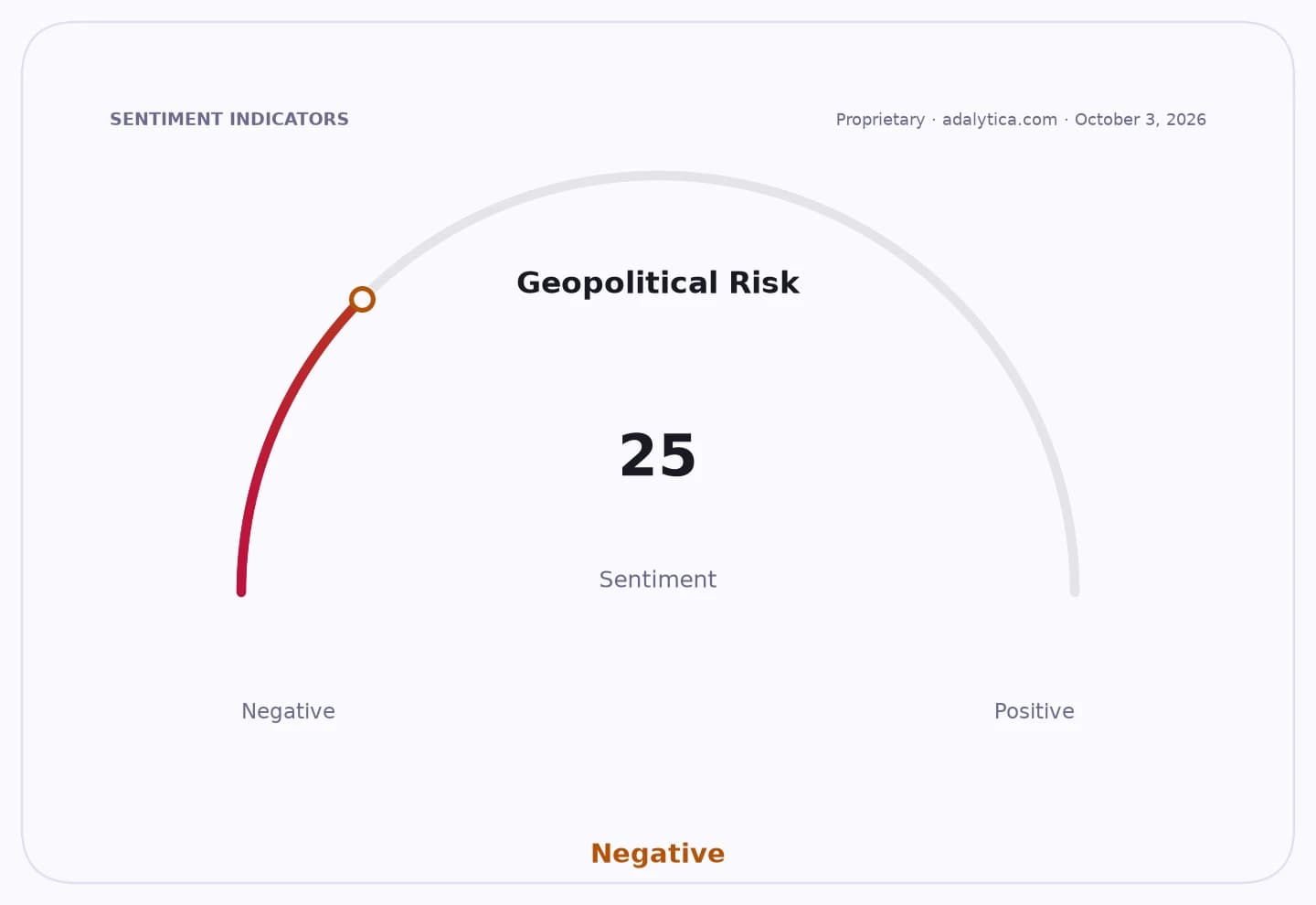
Sentiment IndicatorsⓘProprietary · adalytica.com · October 3, 2026
This is a snapshot — live sentiment, awareness and momentum for 130+ markets update continuously in the dashboard.Open AlphaPulse
The instruction came as global fuel prices remain elevated and policy makers are already leaning on multiple levers to steady prices. In addition to freezing electricity tariffs, the prime minister told ministries to manage prices for electricity and oil products more carefully, keep supply flowing in essentials such as food, construction materials and medicines, and crack down on hoarding and speculation.
For investors, the message is straightforward: Vietnam is prioritizing macro stability, even if that means putting pressure on utilities and energy-linked earnings in the short run. Electricite du Vietnam, or EVN, which has been under scrutiny for its financial structure, is likely to remain a policy instrument rather than a pure commercial utility. That limits pricing power, but it also reduces the risk of a sharp inflation spike that could force tighter monetary conditions and weigh on growth-sensitive assets.
The government’s stance also fits a bigger economic balancing act. Vietnam posted third-quarter GDP growth of 9.95%, taking nine-month growth to 9.01%, the strongest pace since 2011. But maintaining that momentum into the fourth quarter will be hard if borrowing costs stay high, export demand softens or energy prices feed through to businesses and consumers. By holding down electricity prices, Hanoi is essentially choosing to protect near-term growth and household purchasing power while it pushes other parts of the economy — public investment, tax relief, credit supply and export growth — to do more of the heavy lifting.
That is why the order is more than a simple tariff decision. It is a signal that price stability remains the government’s first line of defense, and that state policy will continue to shape the returns of utilities, industrial users and consumer-facing companies alike. For long-term investors, the key takeaway is to watch how Vietnam manages the trade-off between inflation control and power-sector reform. The country’s growth story remains compelling, but the path to that growth will keep running through regulated prices and policy-led markets.
| Entity | Gains | Losses |
|---|---|---|
| Vietnamese households | ▲Lower utility bills | ▼None in the near term |
| Manufacturers and retailers | ▲Softer operating costs | ▼Less room for tariff pass-through |
| EVN and power suppliers | ▲Policy support for demand stability | ▼Pricing power and margins |
| Inflation-sensitive investors | ▲Lower risk of CPI overshoot | ▼Utilities seeking higher returns |