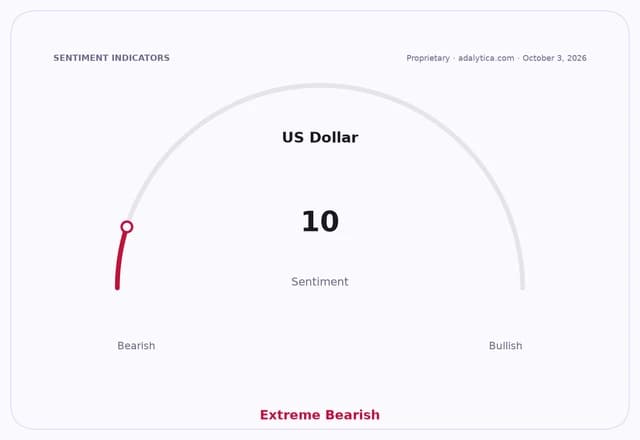
The U.S. dollar eased only modestly on October 3, but the bigger story for investors is that Vietnam’s central exchange rate held at 25,636 dong to the dollar even as global currency markets started to question how far the greenback can keep its recent run.
Vietnam dong fixing holds at 25,636 per dollar
For households, importers and exporters, that matters because the dong’s official fixing helps set the tone for local pricing, trade settlement and hedging costs. For investors, it is a reminder that Vietnam is still navigating a stronger-dollar world, but the pressure is not one-way: a softer U.S. labor backdrop and shifting rate expectations are beginning to cap the currency’s advance.
The State Bank’s central rate of 25,636 dong comes as the dollar index slipped 0.17% to 101.92 in overseas trading. The move may look small, but it reflects a market that is recalibrating after U.S. September payroll growth came in below economists’ forecasts and unemployment edged up to 4.2%. That report briefly pushed Treasury yields lower before they rebounded, underscoring a dollar market still caught between cooling growth and still-elevated U.S. yields.
And yields remain the key reason the dollar has not weakened more sharply. Even after the latest pullback, the greenback is being supported by Treasury rates near multi-decade highs, while Europe’s bond markets have been under pressure and oil prices have risen. That combination matters for Vietnam because a firm dollar can tighten financial conditions, raise the cost of imported inputs and add volatility for businesses with foreign-currency obligations.
The broader message is that foreign exchange markets are starting to separate short-term data noise from the bigger macro trend. Traders are now assigning an 86% chance the Federal Reserve keeps rates unchanged this month, up sharply from 36% a week earlier, according to CME’s FedWatch tool. That is not a dovish pivot, but it is enough to slow the dollar’s momentum if U.S. growth data continue to soften.
From an investing perspective, the more important question is not whether the dollar bounces a few tenths of a percent on a given day. It is whether the current mix of high U.S. rates, sticky inflation risks and slower job growth produces a more volatile currency environment over the next several quarters. For Vietnam-focused investors, that can affect margins for exporters, sourcing costs for manufacturers and the earnings translation of companies with dollar debt or dollar-linked sales.
The Vietnamese dong itself remains in a relatively managed system, so the central bank’s daily fixing is often the clearest signal of policy intent. Today’s unchanged level suggests authorities are still aiming for stability rather than chasing every move in the dollar. That is usually good news for businesses and long-term investors, because predictability is often more valuable than short bursts of currency strength or weakness.
For now, the takeaway is simple: the dollar’s dominance is intact, but it is less one-sided than it was earlier in the year. That makes Vietnam’s exchange-rate backdrop more manageable, even if importers and dollar borrowers are still living with a strong-greenback world. Long-term investors should keep an eye on U.S. labor data, Treasury yields and Fed expectations, because those remain the main drivers of the dollar’s next big move.
| Entity | Gains | Losses |
|---|---|---|
| Vietnam exporters | ▲Better pricing stability | ▼Little near-term relief from dollar strength |
| Vietnam importers | ▲Softer dollar risk if trend continues | ▼Higher costs when USD stays firm |
| U.S. dollar bulls | ▲High Treasury yields support | ▼Softer jobs data trims upside |
| Vietnam consumers and businesses | ▲Stable central exchange rate | ▼Imported inflation pressure |