The biggest story here is not just that investors are betting on more Fed tightening — it is that the dollar is rising even as economists still see room for cuts, a mismatch that could define markets for months.
US Dollar Rises as Fed Tightening Bets Grow
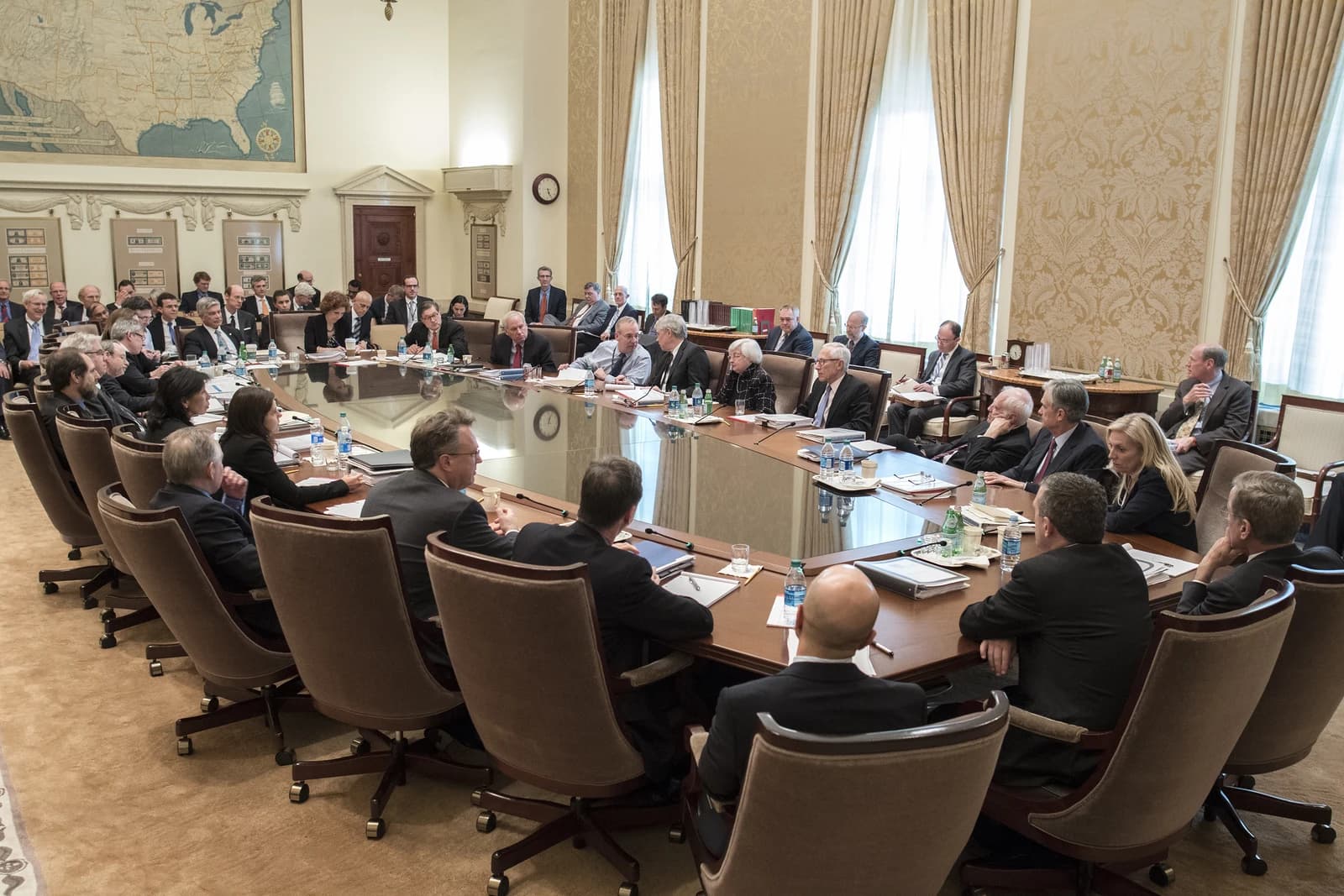
That disconnect matters because monetary policy is the main force behind the greenback’s next move. Market pricing now implies nearly 85 basis points of rate increases by mid-next year, while regular economist surveys still point to unchanged policy this year and possible cuts in 2027. When expectations diverge that sharply, currencies tend to become more volatile, and the dollar’s path becomes less about growth data alone and more about who the Federal Reserve under Kevin Warsh is likely to trust: markets, models or silence.
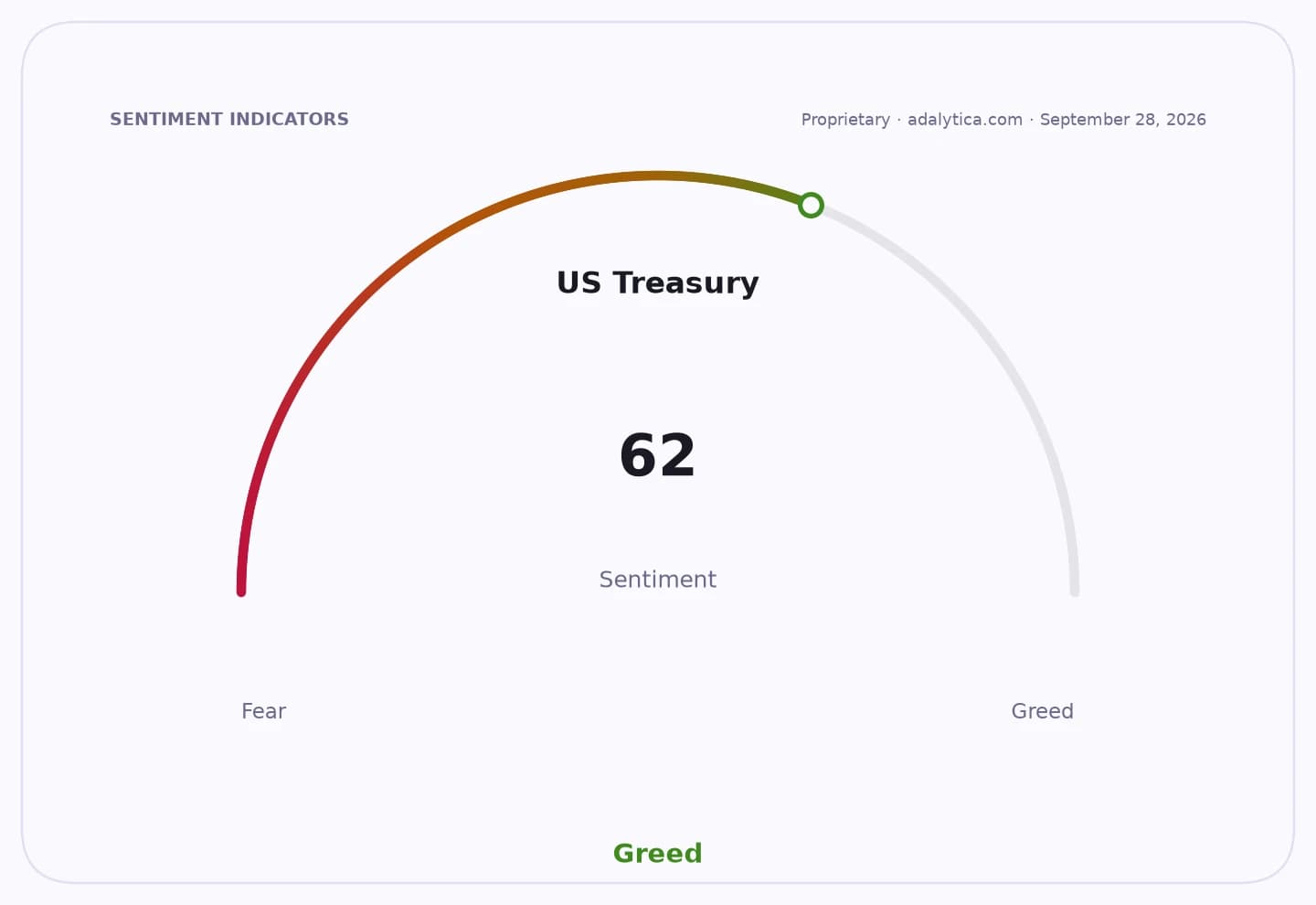
Sentiment IndicatorsⓘProprietary · adalytica.com · October 2, 2026
This is a snapshot — live sentiment, awareness and momentum for 130+ markets update continuously in the dashboard.Open AlphaPulse

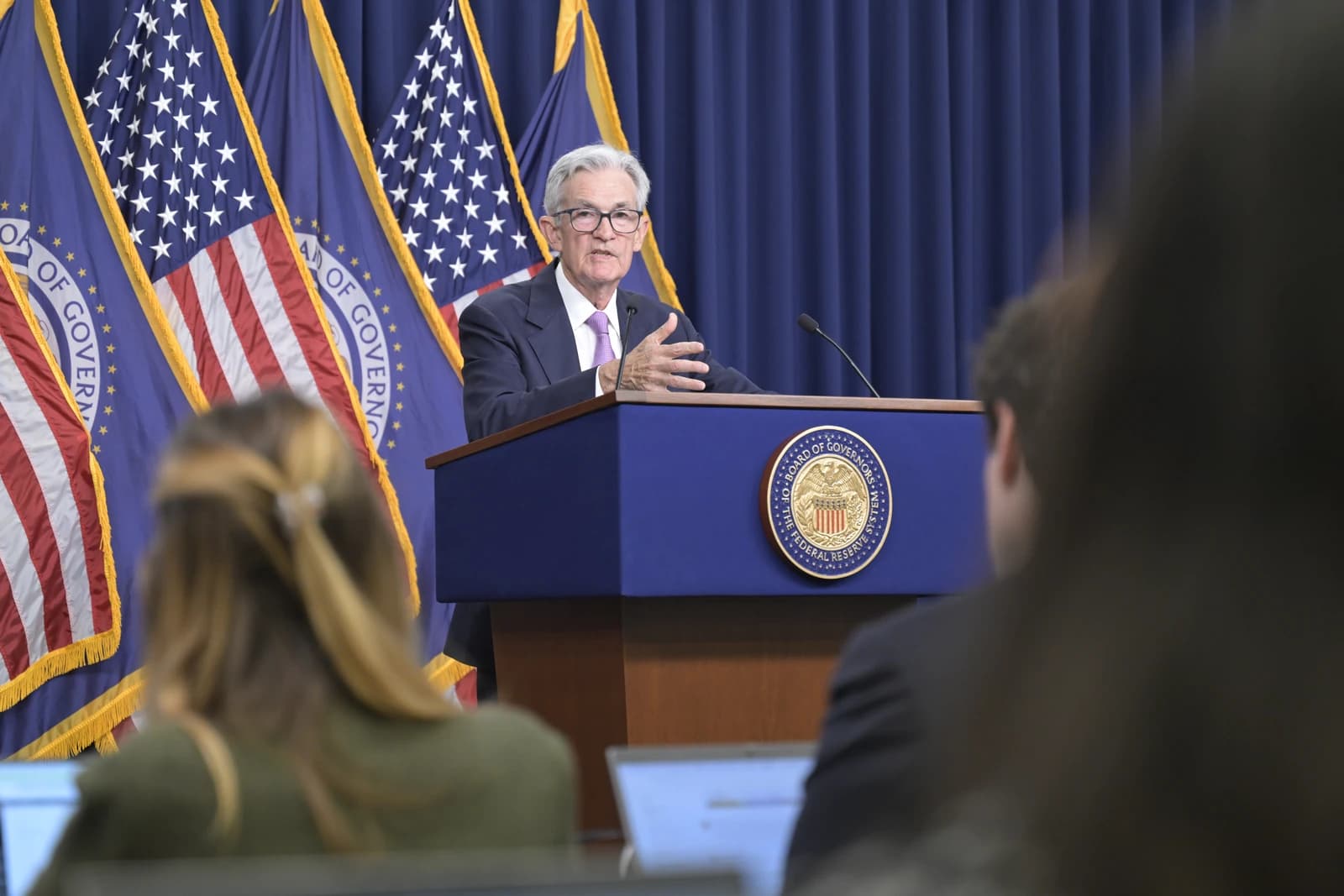
Warsh is adding to the uncertainty because he is no fan of forward guidance. In plain English, that means less communication from the Fed about where rates are headed. For investors, that is not a minor stylistic difference. Clearer guidance helps anchor borrowing costs, bond yields and exchange rates. Less guidance usually means more guesswork, and guesswork tends to reward the dollar when the world wants safety and punish currencies that rely on stable policy signals.
The market is already leaning that way. The US Dollar ETF, UUP, closed at 28.93 on Oct. 2, up from 28.77 the day before and above both its 50-day moving average of 28.26 and 200-day moving average of 27.74. Its RSI reading of 87.7 suggests the move has become stretched in the short term, but the broader technical picture still points to firm momentum. In other words, the dollar is not rallying because investors have perfect clarity — it is rallying because they do not.
DGS10 — macro contextadalytica.com
Explore this data interactively — full history, time series and cross-market comparisons.Open AlphaPulse
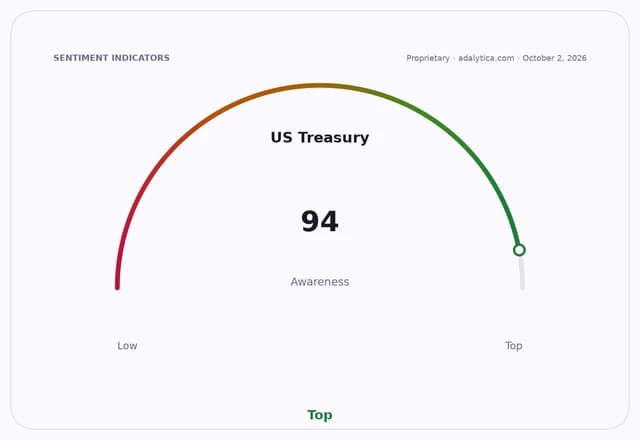
Treasury yields are helping, too. The 10-year US yield has climbed to around 5.32%, while the federal funds rate is forecast at 3.726% for Oct. 1, after September’s 3.75%. Higher yields make dollar assets more attractive, especially when global growth is uncertain and investors want the safety of US markets. That is why the dollar often strengthens even when local currencies, such as the Indian rupee, can post isolated gains.
Adalytica’s US Dollar Trade Signals snapshot underscores the tension. The dollar is showing “Extreme Fear” on sentiment at 8 and awareness at 6, even though the broader market is still treating the currency as a defensive refuge. That combination usually means investors are uneasy about chasing the move, but they are not ready to fade it either. The result is a market that can keep climbing on policy uncertainty alone.
For long-term investors, the key question is not whether the dollar can wobble. It is whether a less transparent Fed, firmer yields and persistent geopolitical noise keep US assets supported relative to the rest of the world. If they do, the dollar’s strength could continue to pressure multinational earnings, commodity prices and emerging-market currencies while favoring investors positioned in cash-heavy, US-centric portfolios.
Warsh’s approach may not give markets the comfort they want, but it may give the dollar exactly what it needs: uncertainty, yield and a reason to stay bid. Investors should keep it on the watchlist, because the next big move in currencies may come less from what the Fed says than from what it refuses to say.
| Entity | Gains | Losses |
|---|---|---|
| US dollar | ▲Safe-haven demand | ▼Importers and multinationals |
| Treasury yields | ▲Higher currency support | ▼Bond holders |
| Fed hawks / tight policy bets | ▲Stronger policy credibility | ▼Rate-cut hopes |
| Emerging-market currencies | ▲— | ▼Dollar funding pressure |