Nigeria’s plan to turn its vast gas reserves into industrial growth will stall without a decade-long push to expand, modernize and digitize its pipeline network, energy experts said, underscoring that infrastructure — not resources — is now the country’s binding constraint.
Nigeria gas pipelines need decade-long expansion
That matters because Nigeria holds about 215.19 trillion cubic feet of proven gas reserves, yet its pipeline network is only a little more than 2,500 kilometres long. In a country trying to lift power supply, deepen fertiliser and petrochemical output, and scale CNG, LPG and LNG, the gap between what is in the ground and what can actually be delivered to market is a direct brake on investment and economic growth.
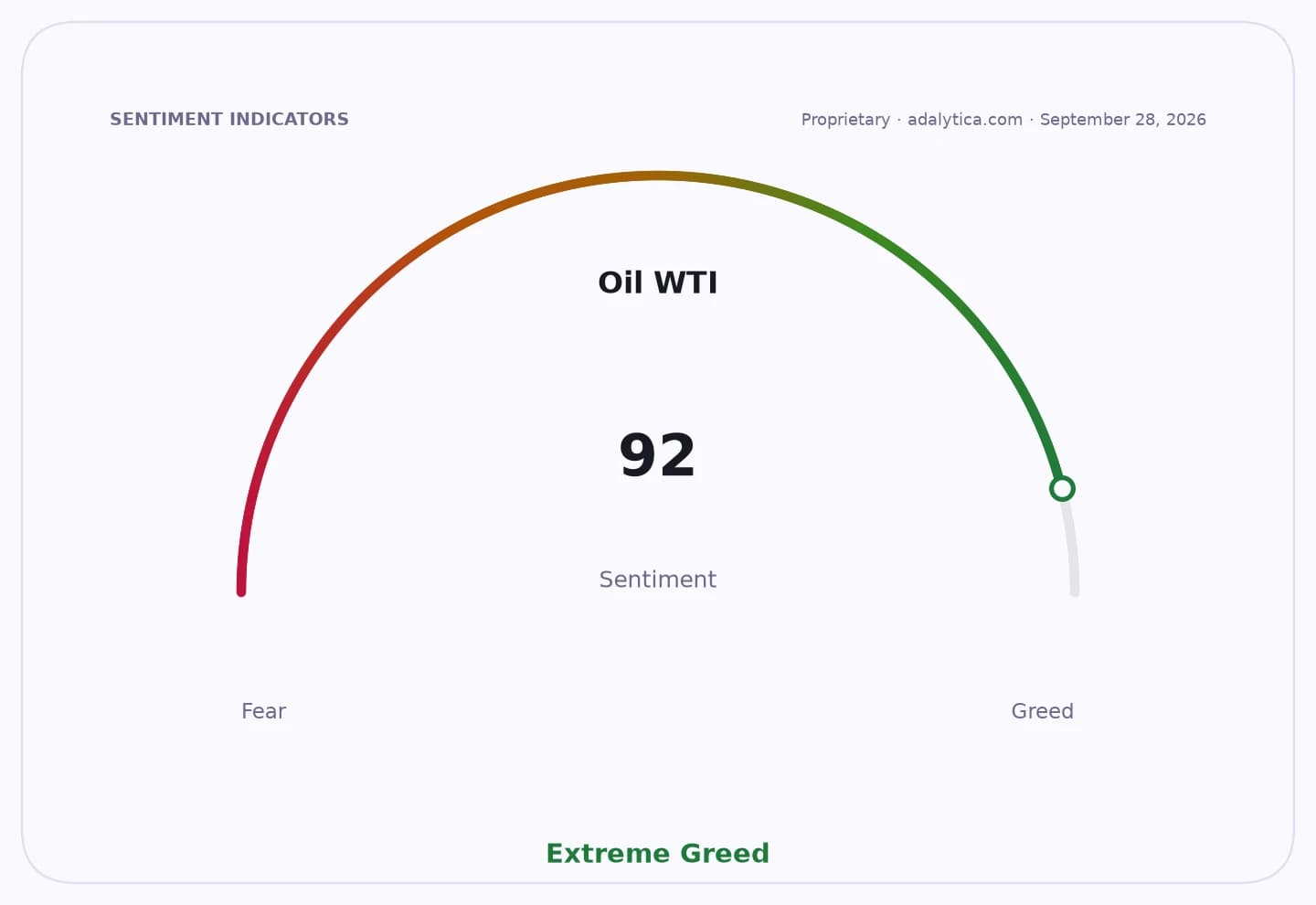
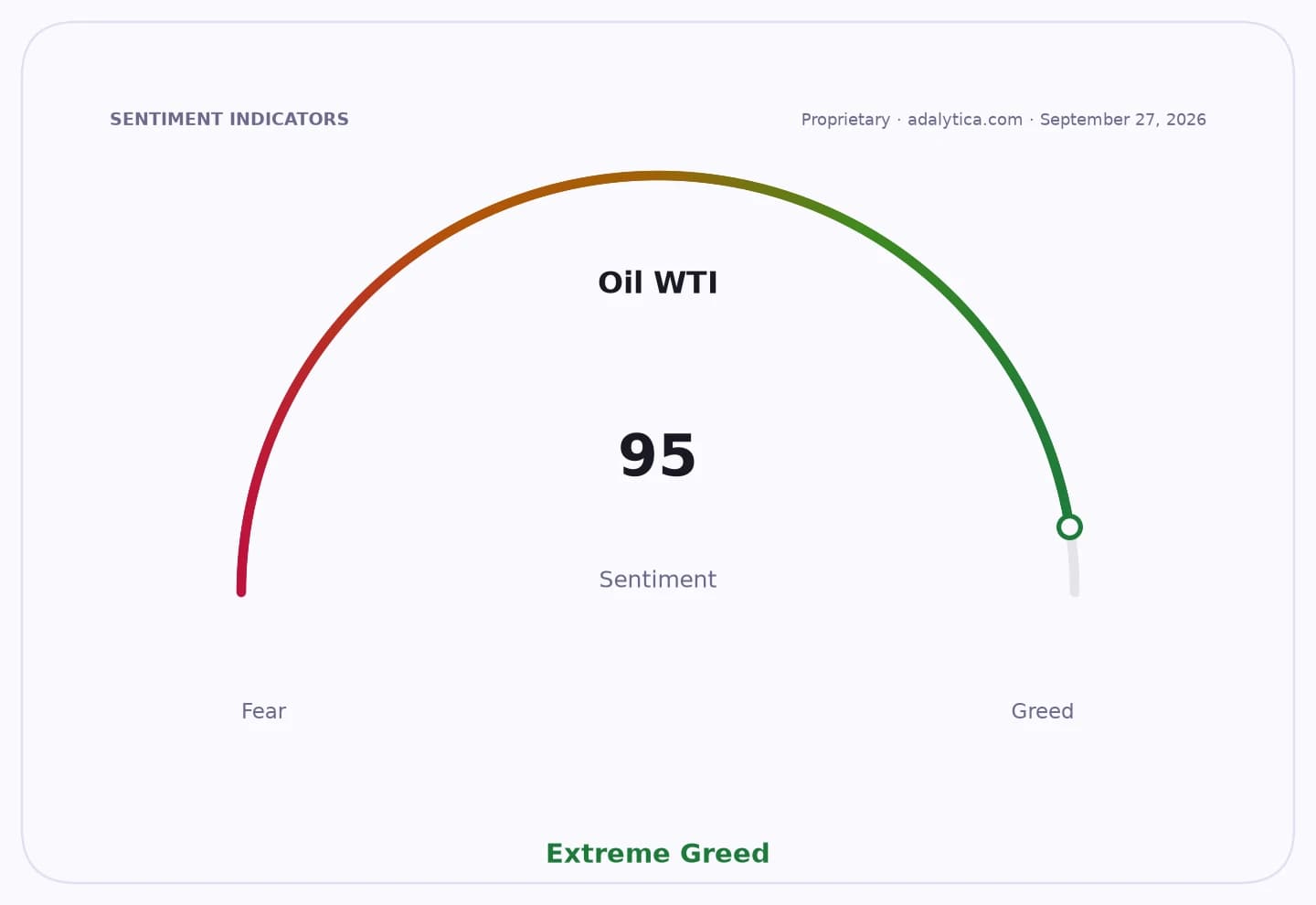
Sentiment IndicatorsⓘProprietary · adalytica.com · October 1, 2026
This is a snapshot — live sentiment, awareness and momentum for 130+ markets update continuously in the dashboard.Open AlphaPulse
At the 2026 International Pipeline Conference and Expo in Canada, Dr. Eloho Innocent Amagada and Engr. Reuben Temerigha argued that Nigeria’s gas strategy must shift from reacting to failures to preventing them. Their message was blunt: “No decade of gas without a decade of pipeline infrastructure.”
The point is not simply that more pipes are needed. It is that the existing system is fragile, insecure and costly to operate. Amagada cited ageing assets, third-party interference, community disputes, difficult terrain and right-of-way bottlenecks as persistent constraints. He also said his company’s inspection of a 55-kilometre pipeline uncovered more than 3,000 defects, including significant wall loss in some sections — a reminder that maintenance backlogs can quickly become supply bottlenecks and safety risks.
For investors, the implication is twofold. First, Nigeria’s gas monetisation thesis depends on heavy capital spending in transmission, inspection and integrity services, opening opportunities for engineering, corrosion protection, monitoring, rehabilitation and cybersecurity providers. Second, the scale of the challenge implies long lead times before gas supply translates into meaningful cash flows from domestic industry or export projects.
The experts’ preferred solution is increasingly technology-led. They called for intelligent in-line inspection, corrosion monitoring, GIS mapping, SCADA systems, leak detection, fibre optics, drones, satellite imagery and AI-enabled analytics, alongside predictive maintenance and stronger cybersecurity. In practical terms, that would move Nigeria closer to a risk-based operating model in which failures are prevented before they disrupt flows, rather than repaired after the fact.
That approach is especially relevant because pipeline economics in gas are shaped as much by reliability as by reserve size. A pipeline that cannot run safely and continuously cannot support baseload power generation or long-term industrial feedstock contracts. Nor can it underwrite export credibility in a market where buyers and financiers increasingly demand dependable delivery, environmental safeguards and clear accountability.
Temerigha added that age alone should not determine inspection priority, arguing that risk-based integrity management should consider defect interaction, operating pressure, maintenance records and the consequences of failure for communities and waterways. That is important for a sector where political pressure often favours visible construction over less visible but more essential maintenance.
Nigeria is not alone in treating gas infrastructure as strategic. The renewed push for large-scale gas pipelines globally — from Alaska to the Nigeria-Morocco corridor — reflects a broader market view that transport capacity, financing and security are now central to energy strategy. But Nigeria’s case is more urgent because the country’s gas ambitions have repeatedly outpaced its physical network.
The near-term outlook therefore depends less on reserve estimates than on execution. If Nigeria can pair new corridor development with digital integrity systems and tighter community engagement, it could unlock gas for power, fertiliser and industrial use and improve monetisation of a resource base that has long been underused. If not, the country risks remaining rich in gas but short on deliverable supply.
| Entity | Gains | Losses |
|---|---|---|
| Pipeline engineers and service firms | ▲More contracts | ▼Status quo spending |
| Gas producers and project developers | ▲Better transport access | ▼Bottlenecks and delays |
| Nigerian industry and power users | ▲More reliable supply | ▼Persistent shortages |
| Communities and regulators | ▲Safer, monitored operations | ▼Higher risk from failures |