South Africa’s push to unlock offshore oil and gas is gaining fresh industry backing just as the country faces a looming gas shortfall, tighter refining capacity and a more volatile global supply backdrop.
South Africa offshore oil and gas gains backing

That combination matters because it turns the exploration debate from a purely environmental fight into a question of energy security, industrial stability and capital allocation. Ross Compton, senior director for global policy at EnerGeo Alliance, said rising demand from a growing, urbanising population and the strain of disrupted global supply chains meant oil and gas could not be removed from South Africa’s energy mix. He also said natural gas sat at the core of the country’s centralised power needs.
Sentiment IndicatorsⓘProprietary · adalytica.com · September 6, 2026
This is a snapshot — live sentiment, awareness and momentum for 130+ markets update continuously in the dashboard.Open AlphaPulse

For investors, the message is that South Africa is not closing the door on upstream development even after a string of court fights. The Western Cape High Court last month rejected attempts by environmental and fishing groups to block an offshore seismic survey in the Orange Basin, while the Constitutional Court separately halted Shell and Impact Africa’s Wild Coast rights on procedural grounds. Compton argued those rulings underscored the need for clearer rules rather than a broader ban, and said finalising regulations under the Upstream Petroleum Resources Development Act would improve certainty.
That regulatory clarity is the real catalyst. In frontier energy markets, the difference between a theoretically large resource and a bankable project is not geology alone but whether companies can spend on seismic, permits and community consultation without constant legal reversal. South Africa’s government, including mineral and petroleum resources minister Gwede Mantashe, has already framed upstream development as a way to shield the country from oil shocks. If that stance hardens into rules that survive the courts, the country could move from debate to deal flow.

The prize is not just barrels. South Africa’s “gas cliff” and limited refining capacity make domestic molecules strategically valuable for power generation, industry and fuel security. That creates a second-order opportunity for the companies supplying seismic, engineering, offshore services and eventually infrastructure tied to gas transport and processing. It also helps explain why global oil majors and adjacent service providers are likely to keep South Africa on the map despite activist pressure.
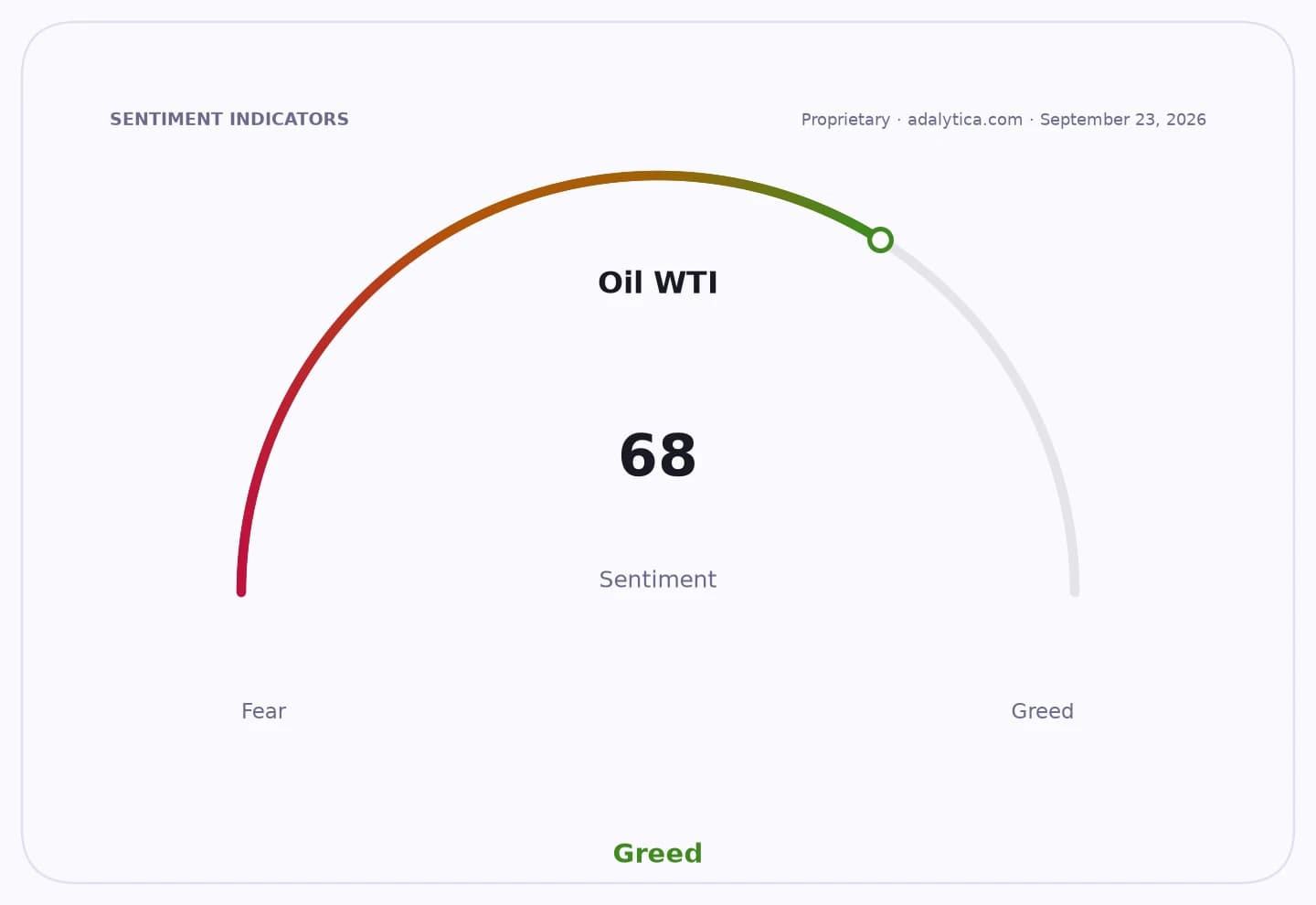
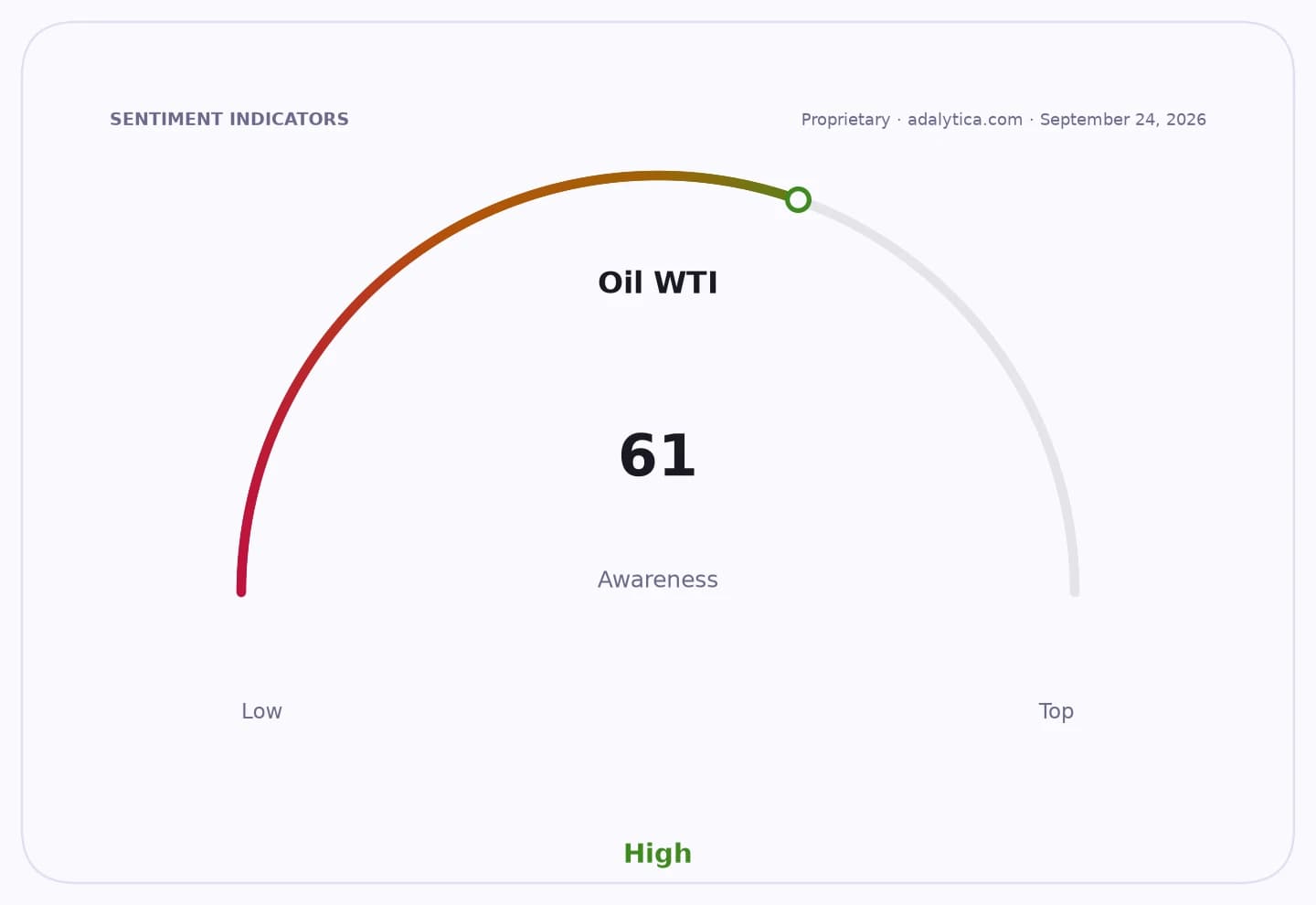
The market is already pricing energy scarcity in a broader sense. WTI crude is hovering near $92 a barrel, and Adalytica’s oil trade signals show “Extreme Fear” even as awareness remains elevated, a combination that usually reflects a market highly sensitive to supply shocks. That backdrop strengthens the investment case for upstream projects in politically and legally workable jurisdictions, especially where domestic demand is rising and import dependence remains high.
The big takeaway is that South Africa’s energy story is shifting from whether oil and gas should exist to how fast they can be developed under tighter legal and environmental guardrails. If the government delivers regulatory certainty, the winners are likely to be offshore explorers, seismic contractors and gas infrastructure players; the losers are importers, power-system bottlenecks and investors waiting for perfect policy conditions that may never come.
| Entity | Gains | Losses |
|---|---|---|
| Offshore explorers | ▲More project access | ▼Fewer legal delays |
| Seismic and oilfield services | ▲New contract flow | ▼Permitting risk eases |
| South African gas users | ▲Better supply security | ▼Gas-cliff risk falls |
| Environmental groups | ▲Consultation standards strengthen | ▼Expansion prospects slow |