Czech Prime Minister Andrej Babiš is preparing to pair a higher minimum wage with a fresh review of fuel prices, a policy mix that underscores how living costs are feeding back into wage setting and political pressure on consumer prices.
Czech Republic Reviews Fuel Prices, Raises Minimum Wage
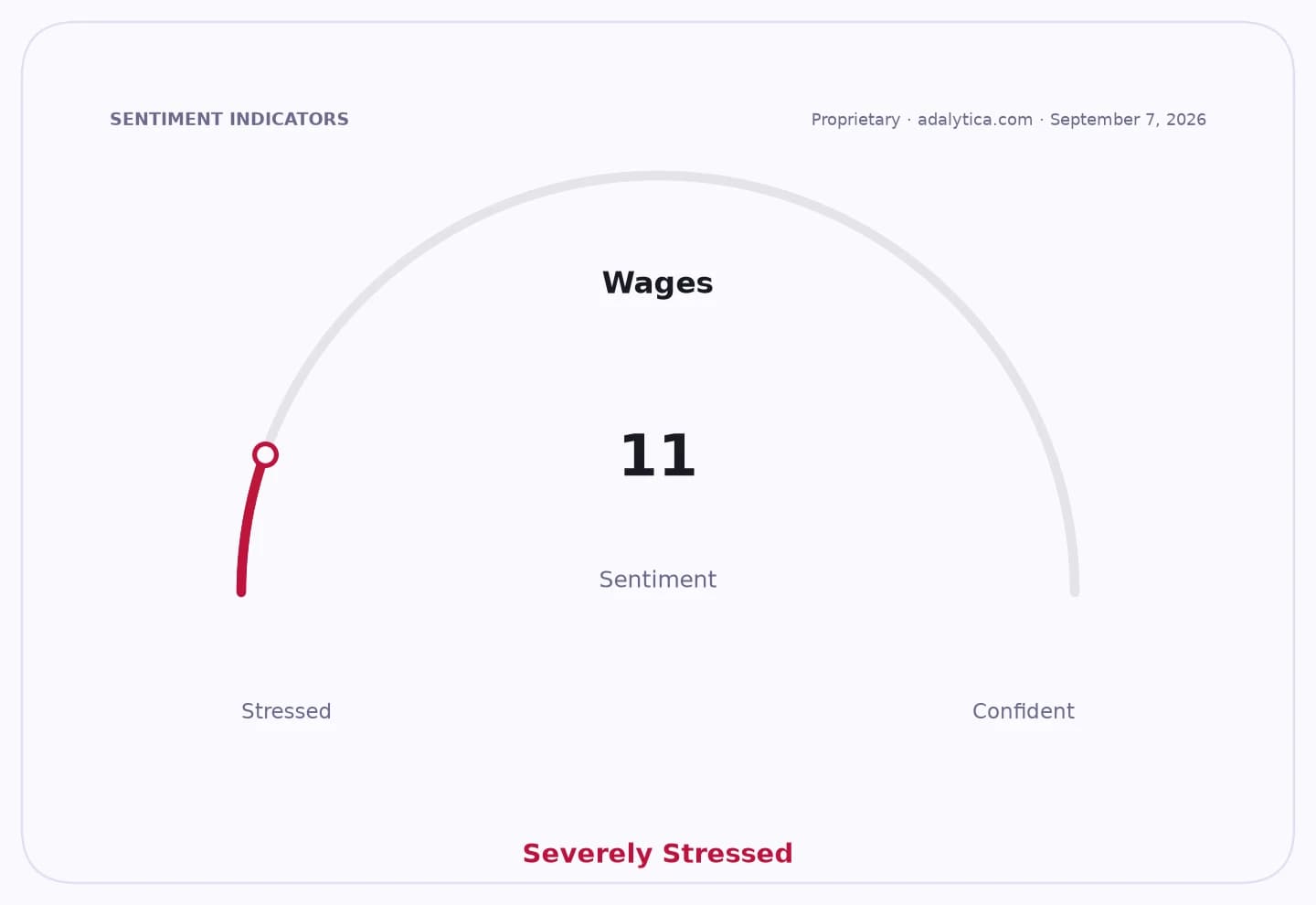
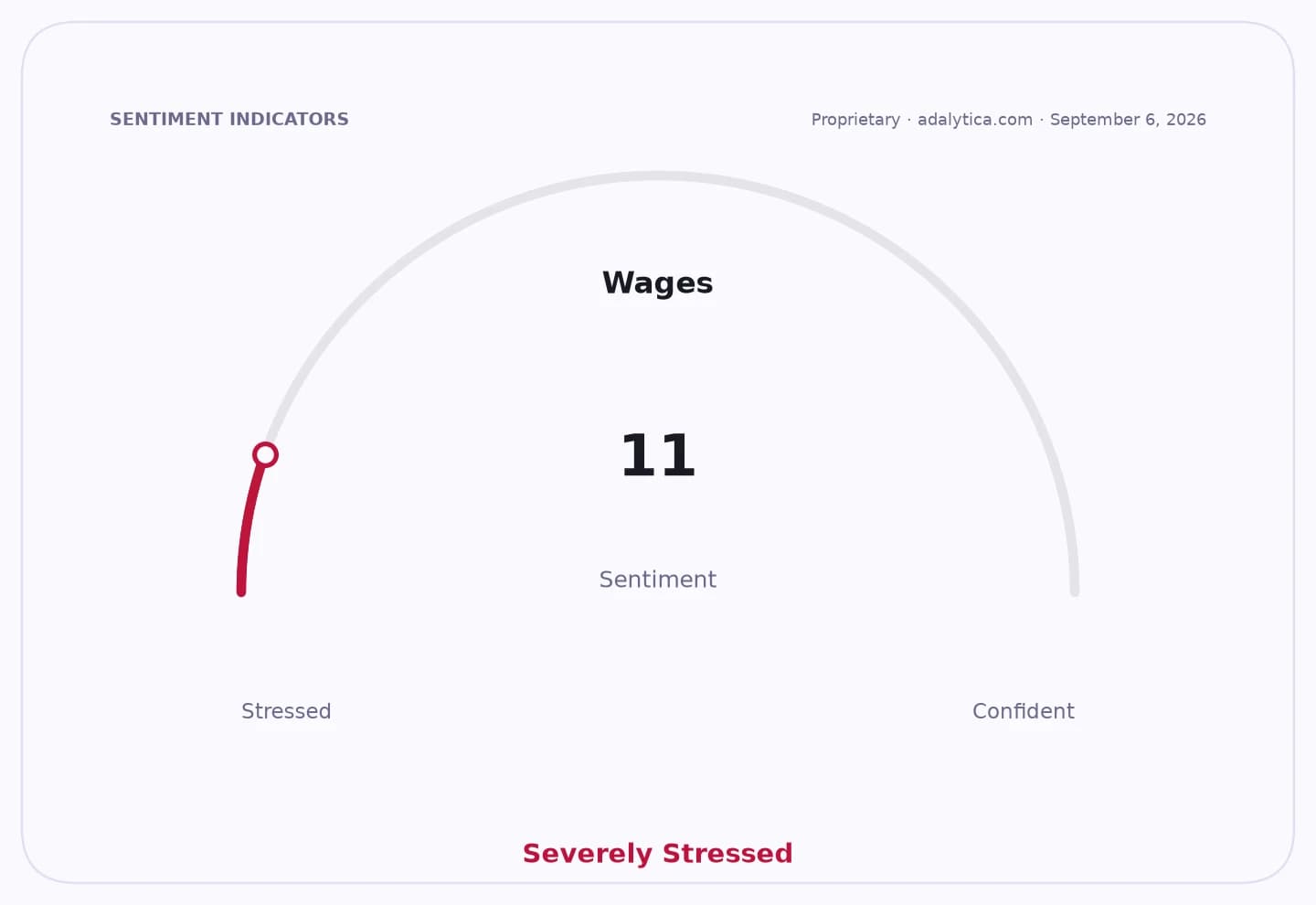
The minimum wage in the Czech Republic already rises automatically under law, but the planned increase comes against a backdrop of persistent inflation and weak purchasing power by European standards. The current policy path would lift the floor gradually to 47% of average wages by 2029, a move that matters economically because it directly affects labor costs for employers while boosting income for roughly 181,000 workers, or about 5% of employees.
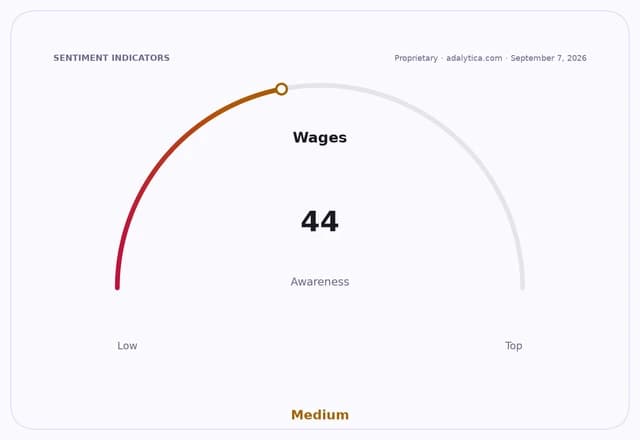
For households at the bottom of the income scale, the wage floor is one of the few immediate tools to offset higher essentials. For companies, especially in retail, hospitality and lower-margin services, the increase adds to payroll pressure at a time when consumer demand is still sensitive to price levels. The broader macro effect is mixed: higher wages can support consumption, but they also risk passing through into prices if firms cannot absorb the cost.
The fuel discussion has a wider inflationary significance. Babiš said the government may again consider capping refinery margins, arguing that too few refineries may be generating excessive profits. He ruled out cutting fuel excise taxes, signaling a preference for intervention in margins rather than a direct fiscal subsidy. Fuel prices have risen over the past two weeks, with Natural 95 petrol averaging 42.34 koruna a liter and diesel 45.89 koruna, according to CCS data.
That matters because transportation costs feed quickly into headline inflation and business input costs. Czech policymakers have already used price controls before: a prior cap on fuel pricing ran from April to mid-July amid oil-price spikes tied to fighting between the U.S. and Iran. A renewed intervention would likely be popular with motorists, but it also raises questions about market distortion and profitability in the refining and distribution chain.
The policy backdrop points to the same economic tension in two forms: higher wages to cushion households, and tighter scrutiny of fuel pricing to contain the cost of living. Both are politically attractive when real incomes are under strain, but both can complicate the inflation outlook if they are not matched by productivity growth or softer energy prices.
For investors, the key issue is whether the government’s response stays limited to rhetoric or turns into actual margin controls that could affect fuel retailers and refiners. It also bears watching how wage policy influences labor-intensive sectors and whether firms respond by raising prices, trimming hiring or compressing margins. If energy prices keep climbing, the pressure for more intervention will likely intensify.
| Entity | Gains | Losses |
|---|---|---|
| Low-wage workers | ▲Higher take-home pay | ▼None immediately |
| Employers in labor-heavy sectors | ▲Predictability from gradual hikes | ▼Higher payroll costs |
| Motorists and households | ▲Possible fuel relief | ▼Risk of market distortion |
| Refiners and fuel sellers | ▲None if margins are capped | ▼Lower profit margins |