Peter Obi is trying to turn Nigeria’s run-up to the 2027 election into a debate about public spending, not personality politics, and that matters because healthcare, corruption and electoral credibility will shape both the economy and investor confidence long before ballots are cast.
Peter Obi Links Nigeria Spending to Growth
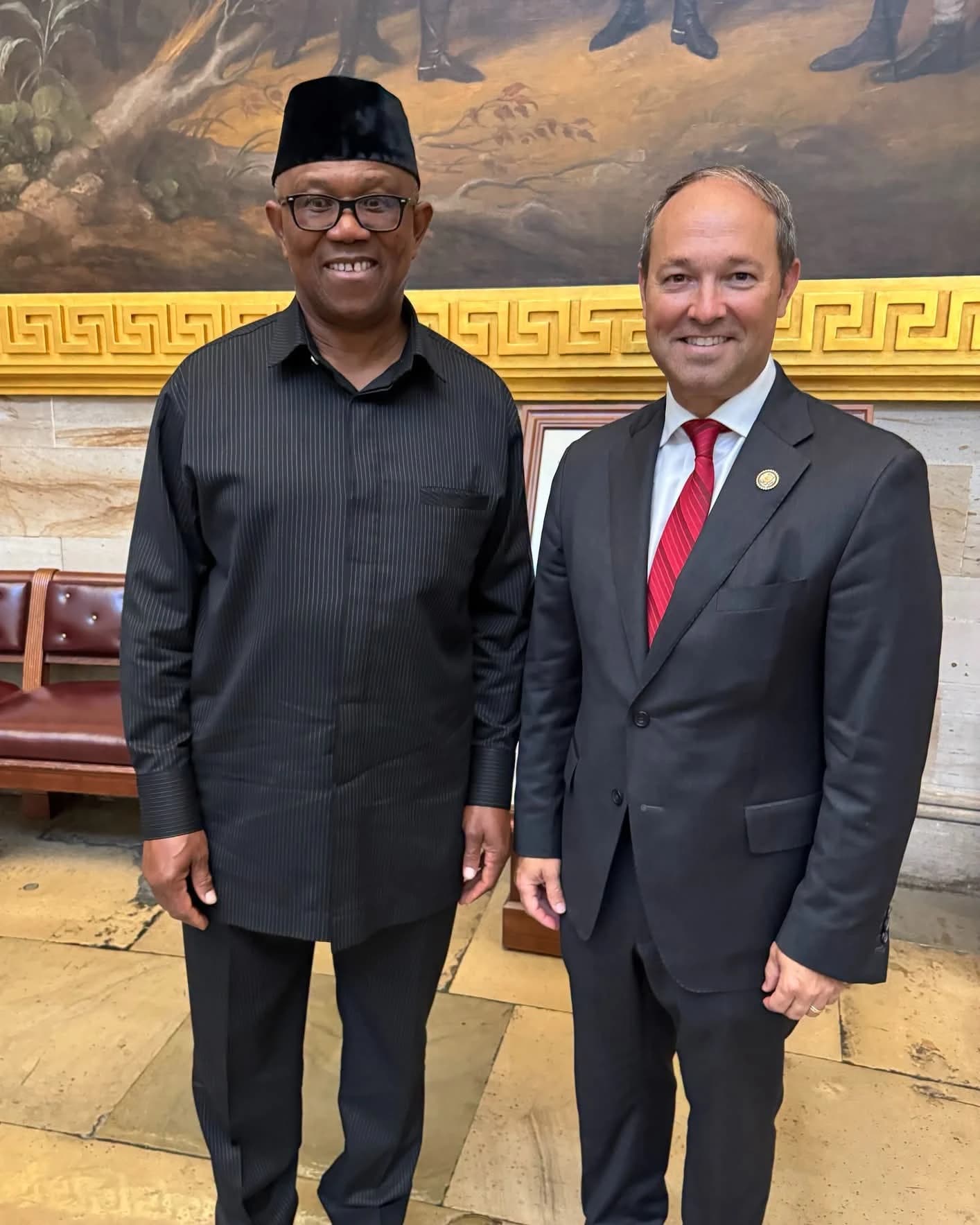
The former Anambra State governor told editors in Enugu that Nigeria has enough resources to build 10,000 functional primary healthcare centres across all 8,809 wards for about N1 trillion, a sum he said could be carved out of the country’s N15.8 trillion budget if waste and corruption were reduced. For investors, that is more than a campaign line: it is a reminder that Nigeria’s biggest economic constraint is not only revenue, but the quality of spending.
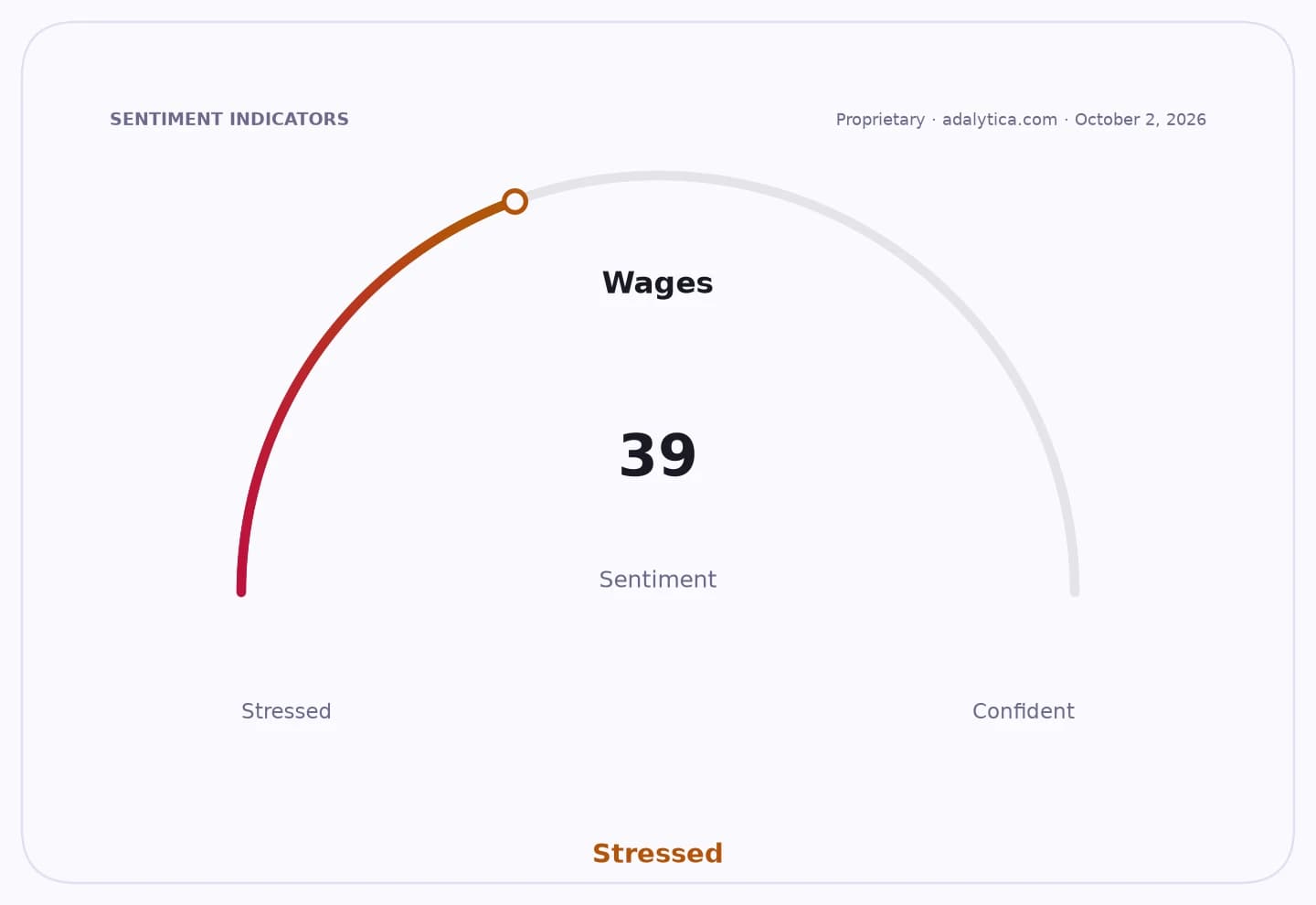
Sentiment IndicatorsⓘProprietary · adalytica.com · October 1, 2026
This is a snapshot — live sentiment, awareness and momentum for 130+ markets update continuously in the dashboard.Open AlphaPulse
Obi’s argument lands at a time when health officials are again warning that the country’s medical system is stretched thin. The broader policy debate already includes funding pressure, workforce shortages and a heavy reliance on under-resourced public hospitals, while thousands of Nigerian health workers continue to leave for jobs abroad. That weak health infrastructure is an economic problem as much as a social one, because it drags on productivity, household income and consumer demand.
He also tied the discussion to fuel subsidy savings, saying corruption in the system had made it unsustainable and that any savings should be redirected into health and other basic services. Whether one agrees with his arithmetic or not, the political message is clear: the next phase of Nigeria’s reform debate may increasingly be judged by what ordinary citizens can see in their communities, not by macro headlines alone.
That makes his call for free, fair and credible elections economically relevant too. Markets dislike political uncertainty, and low voter participation, disputed results and allegations of rigging can all weaken confidence in policy continuity. Obi said election malpractice should carry jail time, while urging the media to challenge candidates on records rather than rhetoric.
The strongest investment takeaway is that Nigeria’s long-term opportunity still depends on institutional repair. Better schools, stronger hospitals and cleaner elections would not just be democratic gains; they would improve labor supply, attract capital and support more durable growth. For investors looking beyond the 2027 noise, the message is worth watching: in Nigeria, governance is still the real growth stock.
| Entity | Gains | Losses |
|---|---|---|
| Nigerian voters | ▲Better services, stronger accountability | ▼More empty promises |
| Health sector | ▲More funding, new facilities | ▼Neglect, underinvestment |
| Political reformers | ▲Credibility with voters | ▼Advantage to incumbency and patronage |
| Corrupt operators | ▲Nothing | ▼Jail risk, tighter scrutiny |