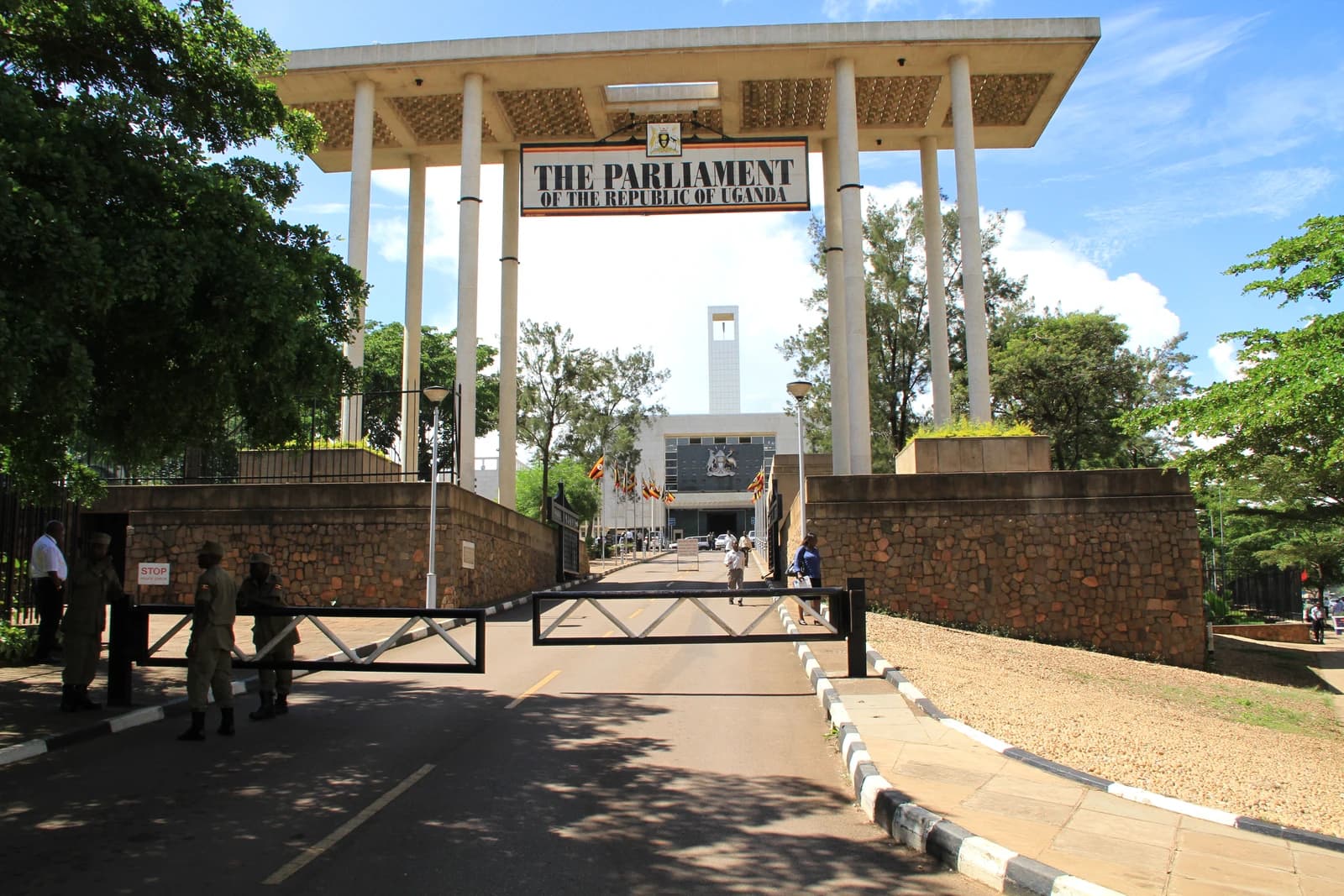
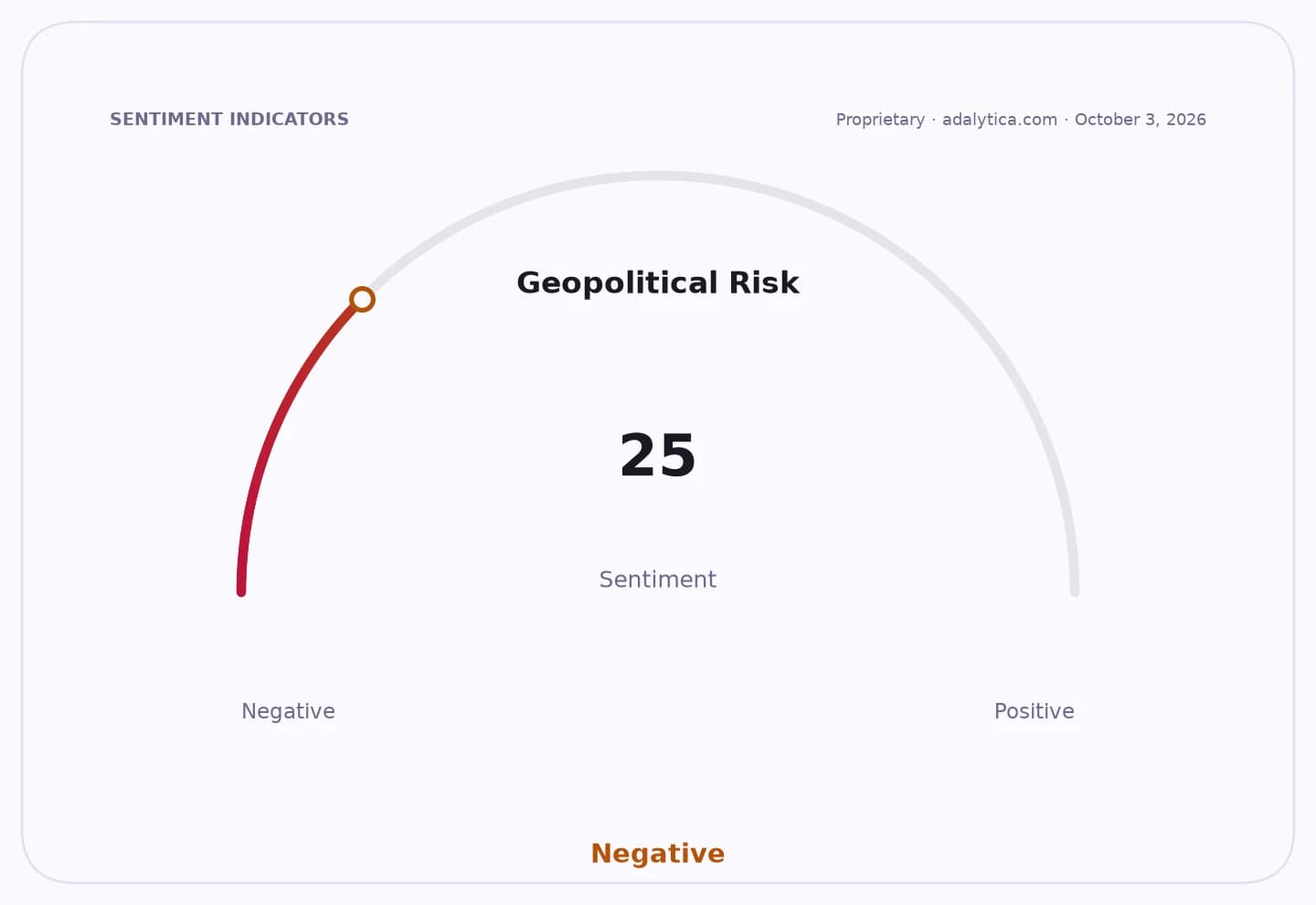
Uganda’s police have unveiled a security master plan for the 2021 general election, a move that underscores how seriously authorities are treating the risk of unrest around a vote likely to shape the country’s political and economic stability.
Uganda police unveil election security plan
The plan, led by Deputy Inspector General of Police Maj. Gen. Muzeyi Sabiiti, is designed to organize the security response around an election that is already drawing heightened scrutiny. In a country where political tensions can quickly spill into the streets, the credibility of the vote and the conduct of security forces will matter not only for public order but for business confidence, investment sentiment and the operating environment for companies exposed to Uganda’s domestic economy.
For investors, the immediate issue is less the plan itself than what it implies: the government is preparing for a contested election rather than a routine transfer of power. That tends to raise the premium on stability-sensitive assets, from local equities to bank lending and consumer spending, because prolonged unrest can delay economic activity, disrupt logistics and weaken the shilling through lower confidence and capital outflows. Even in the absence of violence, tighter security can discourage crowd-heavy commerce and pressure small businesses that rely on election-period mobility and spending.
The fact that police are rolling out a formal master plan also suggests the state is trying to manage the election with a central command structure, presumably to reduce ad hoc responses and contain flashpoints more quickly. That may reassure investors if it helps avoid chaos, but it can also heighten concern if the security apparatus is seen as taking a hard-line posture toward opposition activity. The balance between order and restraint will be critical.
Uganda’s election cycle matters economically because the country’s growth outlook is tightly linked to domestic demand, fiscal execution and donor or investor confidence. Political instability can slow budget implementation, delay infrastructure work and make it harder for the government to finance priorities at reasonable cost. If the election proceeds smoothly, the market can refocus on fundamentals; if it does not, risk sentiment is likely to deteriorate well beyond polling day.
For now, the security plan is a reminder that the vote itself has become a macro event. Investors will be watching whether the authorities preserve calm without suppressing political competition, because the outcome will shape not just the next government, but the country’s near-term risk profile.
| Entity | Gains | Losses |
|---|---|---|
| Ugandan police | ▲Operational control | ▼Public skepticism |
| Government | ▲Short-term order | ▼Reputation if heavy-handed |
| Investors | ▲Stability if calm prevails | ▼Higher risk premium if unrest rises |
| Opposition and voters | ▲Safer polling process | ▼Freedom of campaign movement |