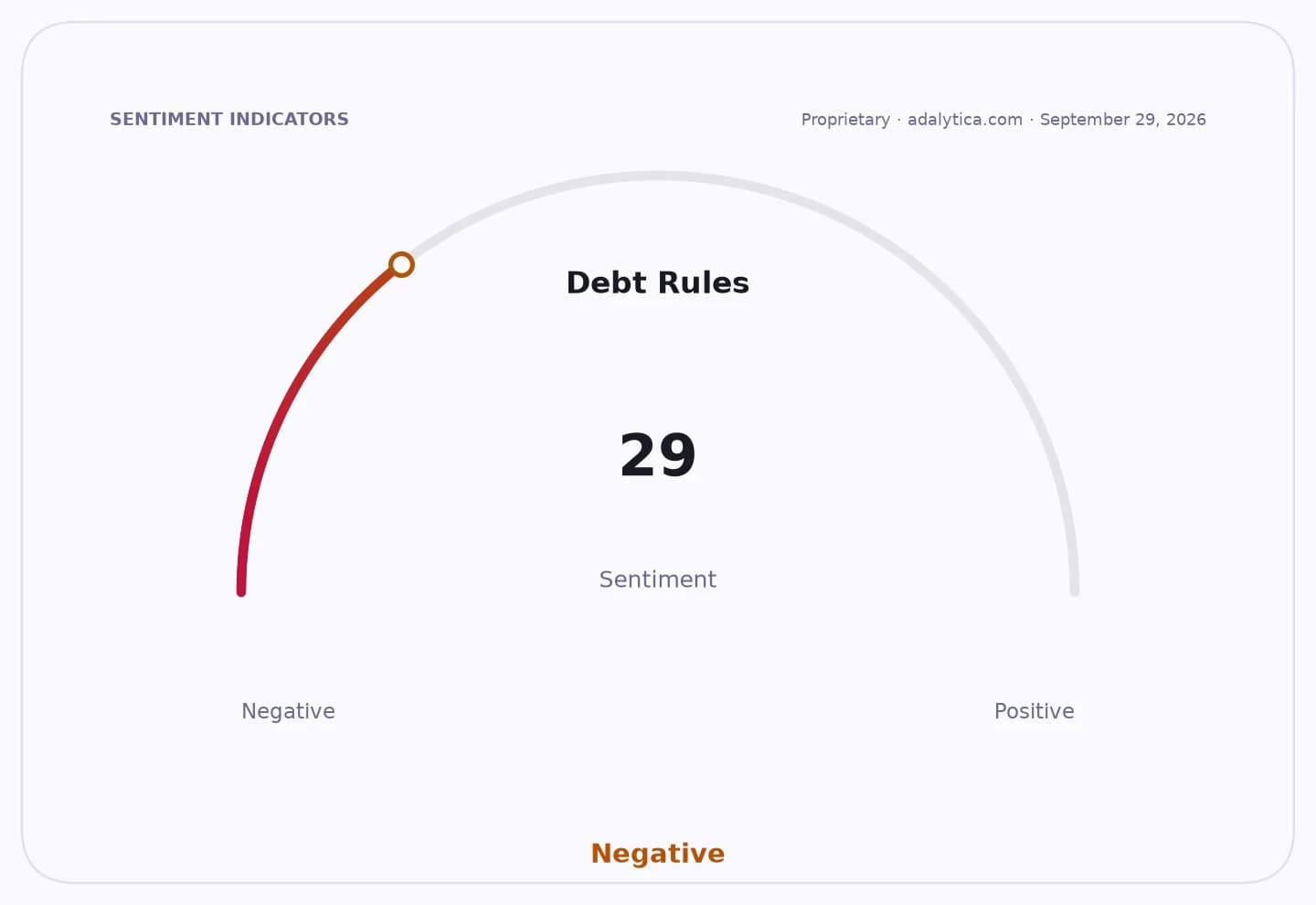
Uganda’s public debt surged to $37.1 billion in June 2026, up 14.8% from a year earlier, as the government leaned harder on local borrowing to finance a widening budget deficit and raise the risk of higher interest costs and crowding out private credit.
Uganda Public Debt Rises to $37.1 Billion

The debt-to-GDP ratio climbed to 54.3% from 51.3% a year ago, underscoring how quickly Kampala’s balance sheet is deteriorating even as officials try to manage the maturity profile. External debt made up 43.9% of the total stock, but the increase was driven mainly by Treasury bond issuance at home.
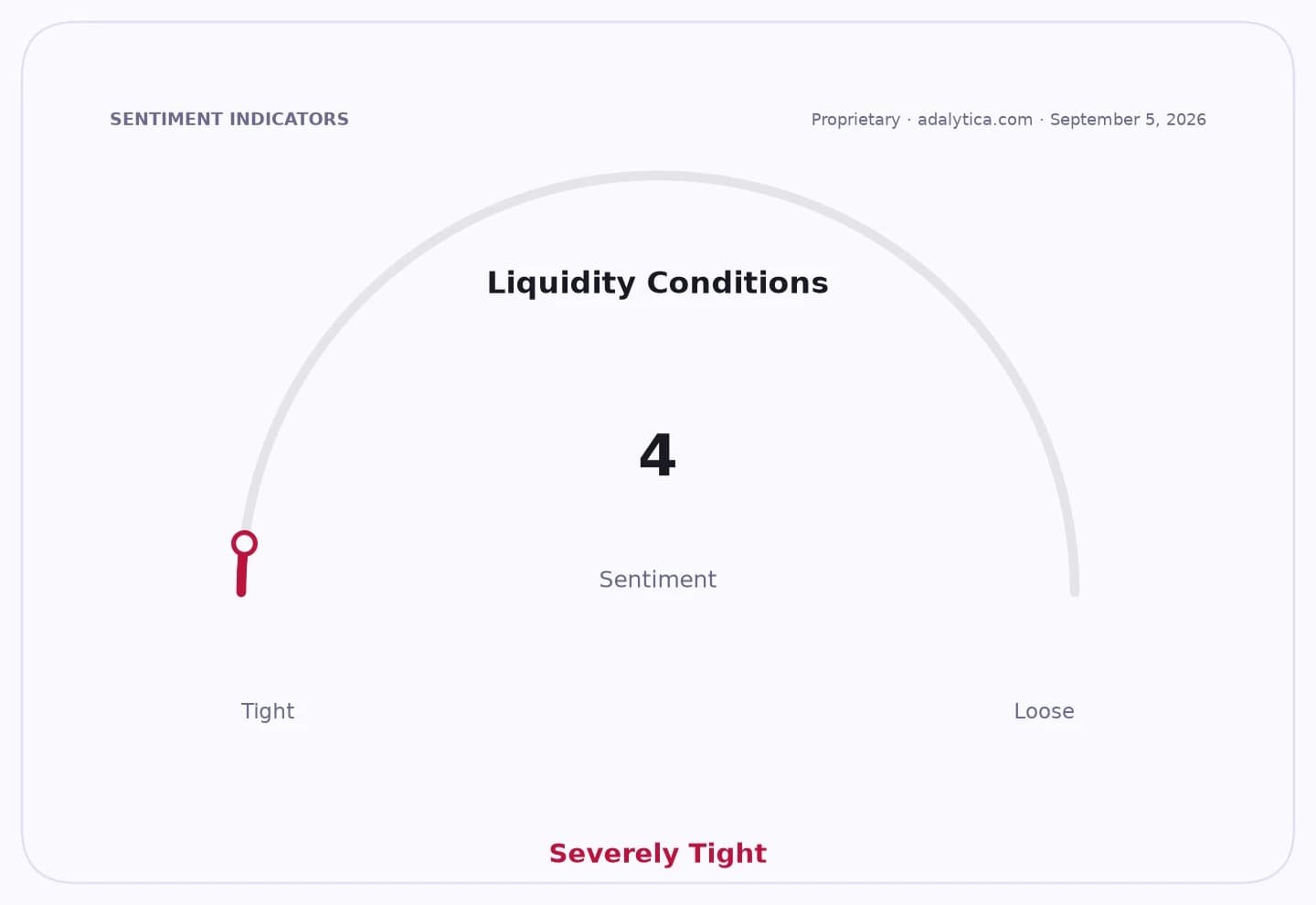
That shift matters for the economy because domestic borrowing is usually more expensive than concessional external loans and can pull up yields across the local market. As debt service absorbs more government revenue, it leaves less room for spending on health, education and infrastructure, while also squeezing banks’ capacity to lend to businesses.
Uganda’s finance ministry said the strategy of issuing longer-dated paper is meant to reduce refinancing and rollover risks. The government last year introduced a 25-year Treasury bond, the longest tenor in its domestic debt portfolio, to spread repayment obligations over a longer horizon.
Investors are watching the fiscal path closely. Fitch affirmed Uganda’s sovereign rating at “B” in August with a stable outlook, but warned that rising public debt and a heavy interest burden remain constraints, while Bank of Uganda Governor Michael Atingi-Ego has cautioned that higher-than-planned domestic borrowing could push rates up and crowd out the private sector.
The numbers point to a familiar problem for emerging-market borrowers: debt is rising faster than the revenue base needed to service it. Unless Kampala can lift collections or rein in spending, the longer-maturity financing strategy may ease near-term pressure without fixing the underlying deficit that is driving the debt buildup.
| Entity | Gains | Losses |
|---|---|---|
| Uganda government | ▲Longer debt maturities | ▼Higher interest burden |
| Domestic bondholders | ▲More Treasury issuance | ▼Refinancing risk if fiscal slippage persists |
| Private sector borrowers | ▲Lower rollover risk long term | ▼Crowding out from bank lending |
| Fitch / creditors | ▲Clearer debt profile | ▼Weaker sovereign metrics |