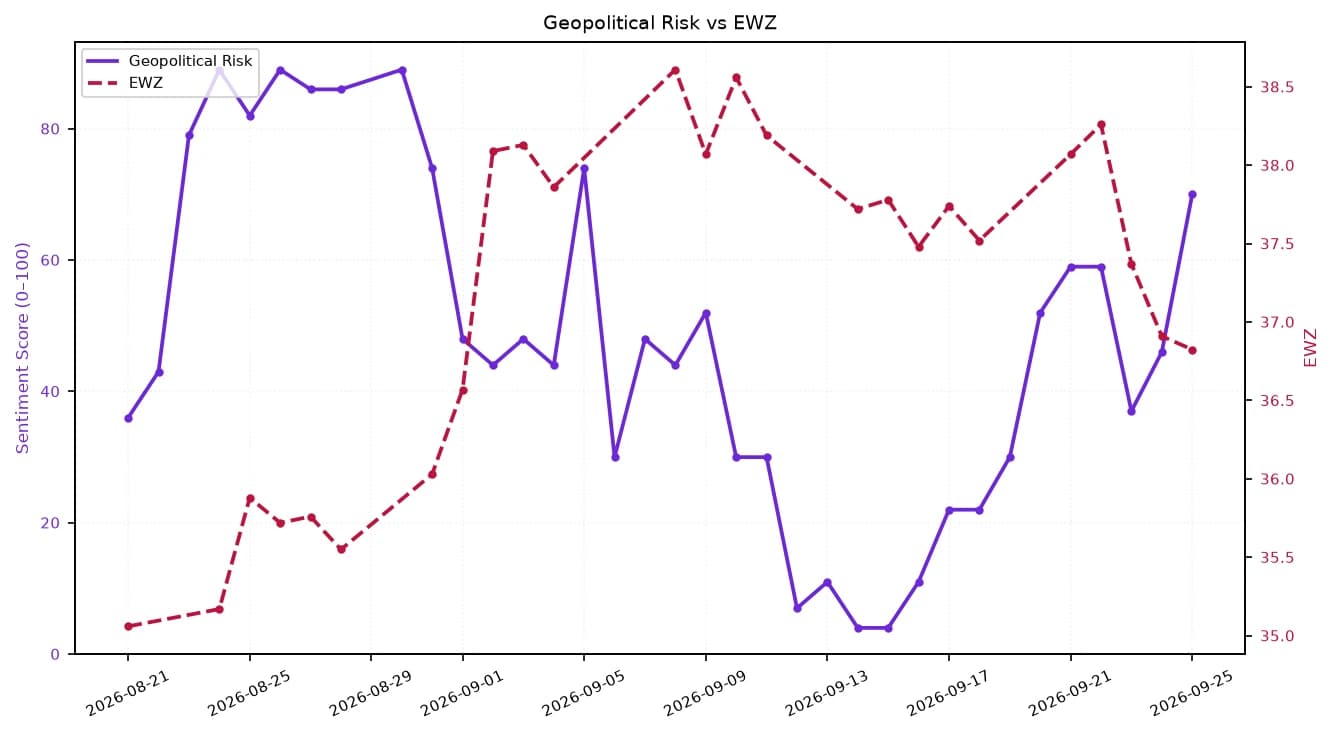
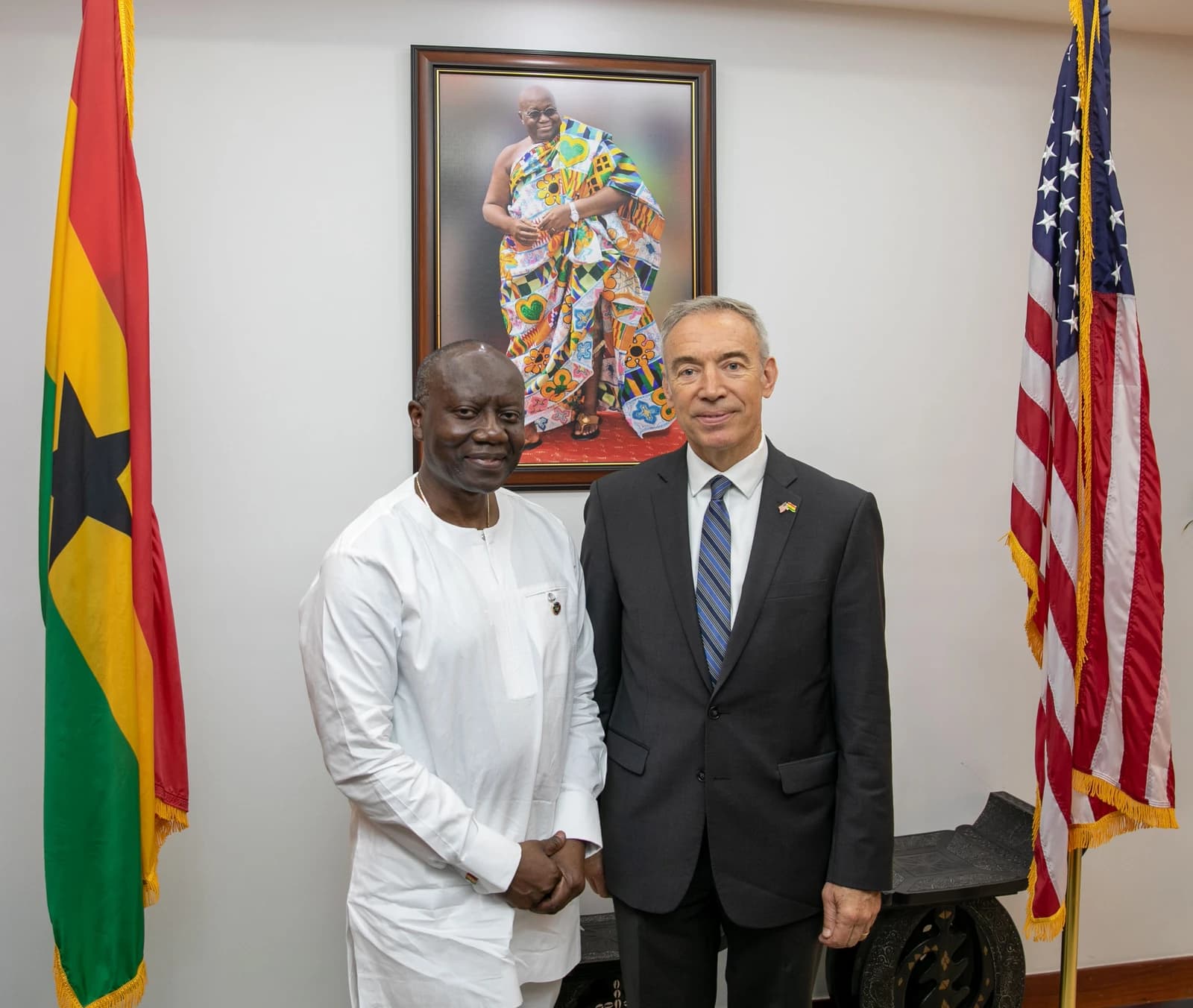
The West African central bank is drawing a hard line around Senegal’s debt restructuring, saying any deal must preserve the smooth functioning of the regional financial market even as Dakar works through sensitive talks with creditors.
BCEAO Sets Limits on Senegal Debt Restructuring
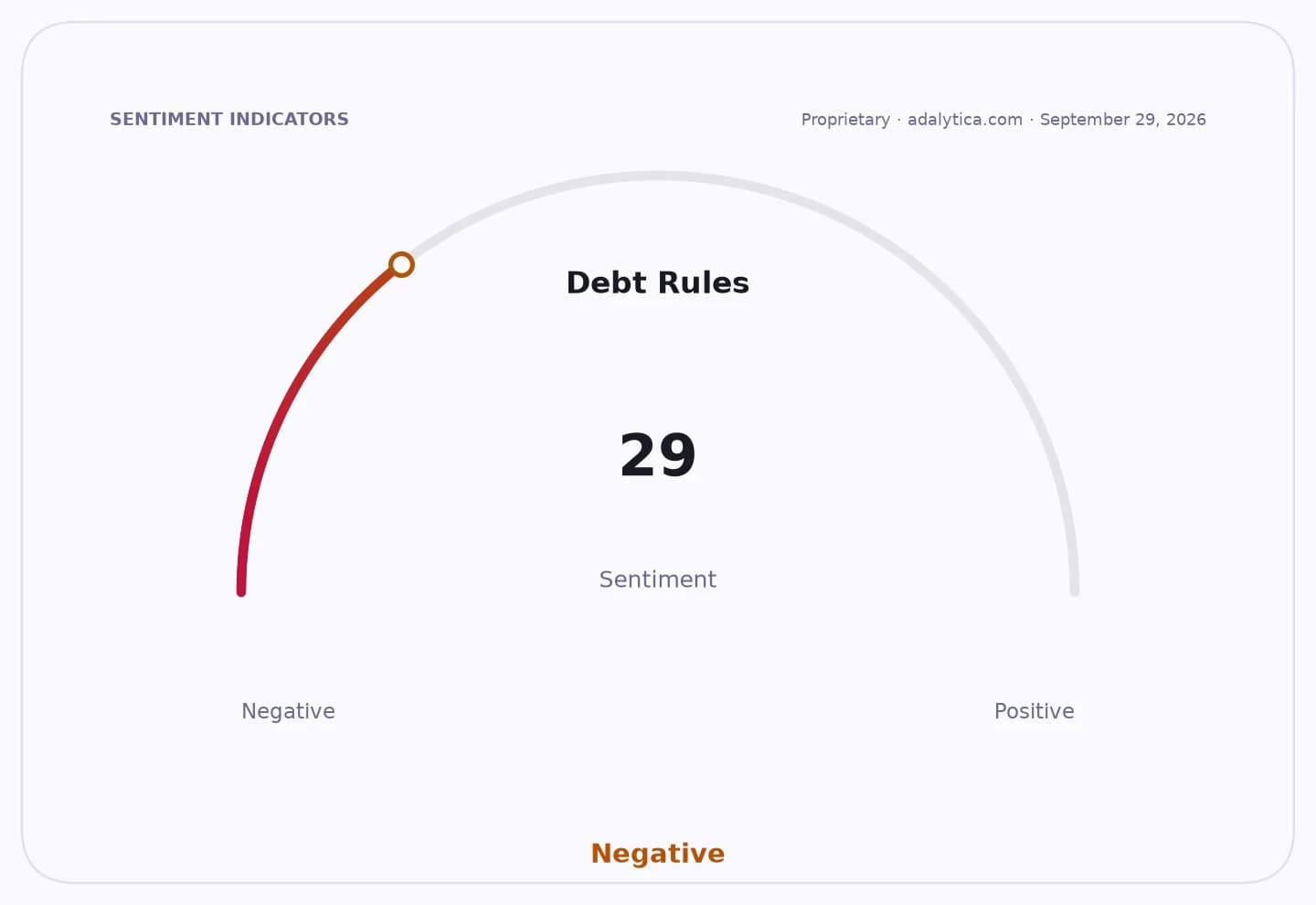
That stance matters because Senegal is trying to renegotiate its debt without triggering wider stress in the CFA franc bloc’s bond market, where banks, pension funds and other local investors hold a large share of sovereign paper. A disorderly treatment could raise funding costs across the region, damage confidence in the market’s benchmark assets and complicate future issuance for governments that rely on it to finance deficits.
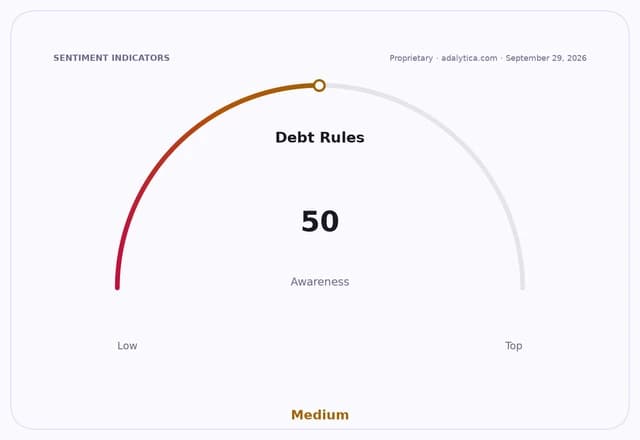
Sentiment IndicatorsⓘProprietary · adalytica.com · September 29, 2026
This is a snapshot — live sentiment, awareness and momentum for 130+ markets update continuously in the dashboard.Open AlphaPulse
BCEAO Governor Jean-Claude Kassi Brou said the central bank is “not in the negotiation,” leaving the technical discussions to Senegalese authorities and their creditors. But he made clear that the bank’s principle is unchanged: the debt treatment cannot undermine the regional market, which he described as a system built on multiple creditors and borrowers whose balance must be preserved.
For investors, the message is two-sided. On the bullish side, the central bank is signalling that it wants to avoid a precedent that would punish holders of CFA franc debt or disrupt the secondary market. That should help reduce fears that Senegal’s case could spill over into the broader UEMOA debt universe, where sovereign bonds are a key asset class for local banks and regional savings institutions.
On the bearish side, the refusal to define what should be included or excluded from the restructuring keeps uncertainty elevated. If Senegal’s CFA franc-denominated obligations were treated too aggressively, it could weaken confidence in regional sovereign financing; if they are left untouched entirely, creditors may question whether the adjustment is deep enough to restore debt sustainability. The balance between those outcomes is now central to the negotiations.
The issue also has broader macro implications. Senegal is one of the region’s more prominent sovereign borrowers, and how its debt is handled will be watched closely by other West African issuers that depend on the same market. BCEAO’s caution suggests policymakers want to avoid a shock that would raise yields across the bloc or force banks to mark down holdings of government securities.
The bank’s restraint also reflects the political sensitivity of debt workouts in emerging markets, where central banks are often pulled between supporting sovereign stability and safeguarding financial-market integrity. By declining to opine on the details, BCEAO is effectively trying to protect the process from becoming harder to close while still setting a clear boundary around systemic risk.
For investors, the next key question is whether Senegal’s creditors accept a solution that is narrow enough to preserve market confidence but broad enough to satisfy debt-sustainability tests. Until that is settled, the regional bond market is likely to remain sensitive to headlines, while banks and other holders of sovereign debt will be watching for any sign that the restructuring could set a precedent for the rest of the union.
| Entity | Gains | Losses |
|---|---|---|
| BCEAO | ▲Market credibility | ▼Negotiating influence |
| Senegal | ▲Debt relief path | ▼Funding flexibility |
| Regional banks | ▲Contained spillover risk | ▼Valuation uncertainty |
| Bondholders/creditors | ▲Clearer market rules | ▼Restructuring losses |