A message exchange showing Banco Master owner Daniel Vorcaro feared the leak of a dinner with Jair Bolsonaro and senator Flávio Bolsonaro adds a new political-risk layer to a bank already under intense scrutiny, deepening the investor case that the real story is not gossip but governance.
Banco Master Faces Political-Risk Scrutiny in Brazil
The messages matter because they suggest Vorcaro was not merely socializing with the Bolsonaro orbit; he was anxious enough about exposure to ask for silence on a meeting investigators say may have involved the former president and his son. In Brazil, where banking, politics and regulation often collide, that is not a footnote. It raises the temperature around Banco Master at a moment when the lender is already associated with a broader compliance probe and allegations that efforts were made to shape public opinion around Banco Central decisions tied to its liquidation.
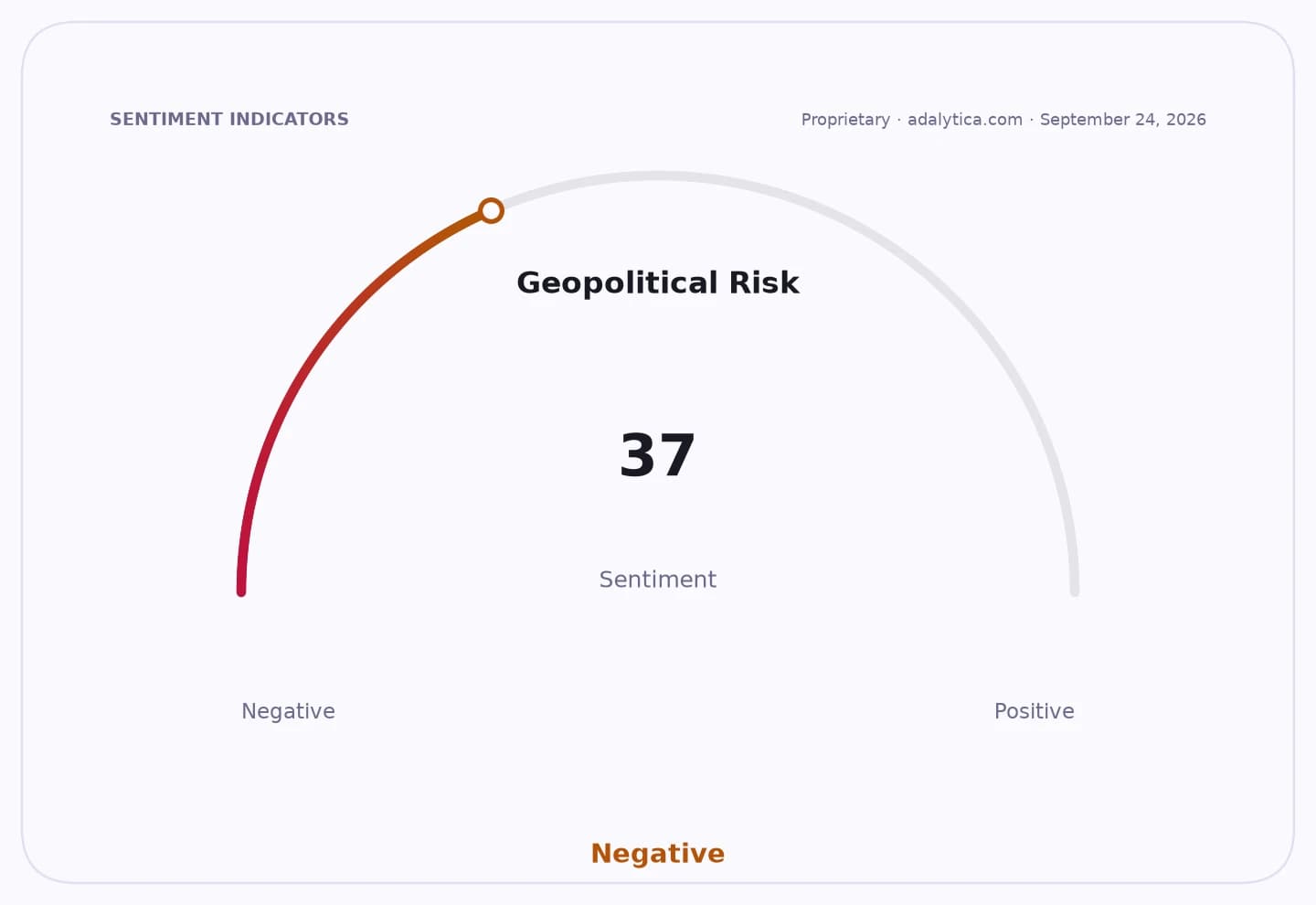
Sentiment IndicatorsⓘProprietary · adalytica.com · September 25, 2026
This is a snapshot — live sentiment, awareness and momentum for 130+ markets update continuously in the dashboard.Open AlphaPulse
For investors, the issue is less about one dinner than about what it says about counterparty risk, regulatory risk and reputational contamination. Banks do not fail only on balance sheets; they unravel when funding channels narrow, counterparties grow cautious and supervisors become less forgiving. Messages that show the bank’s controlling shareholder trying to keep a political meeting quiet reinforce the perception that Banco Master’s problems extend well beyond credit and liquidity metrics into the realm of influence-peddling and governance.
That is why the market should pay attention to the second-order effects. Once a financial institution becomes a political story, capital becomes more expensive, exit options shrink and every new disclosure gets read through the lens of regulatory fragility. The fact that investigators also link Thiago Miranda to a campaign aimed at challenging Central Bank decisions only widens the scope of concern, because it suggests a coordinated attempt to defend the bank in the public arena as its troubles mounted.
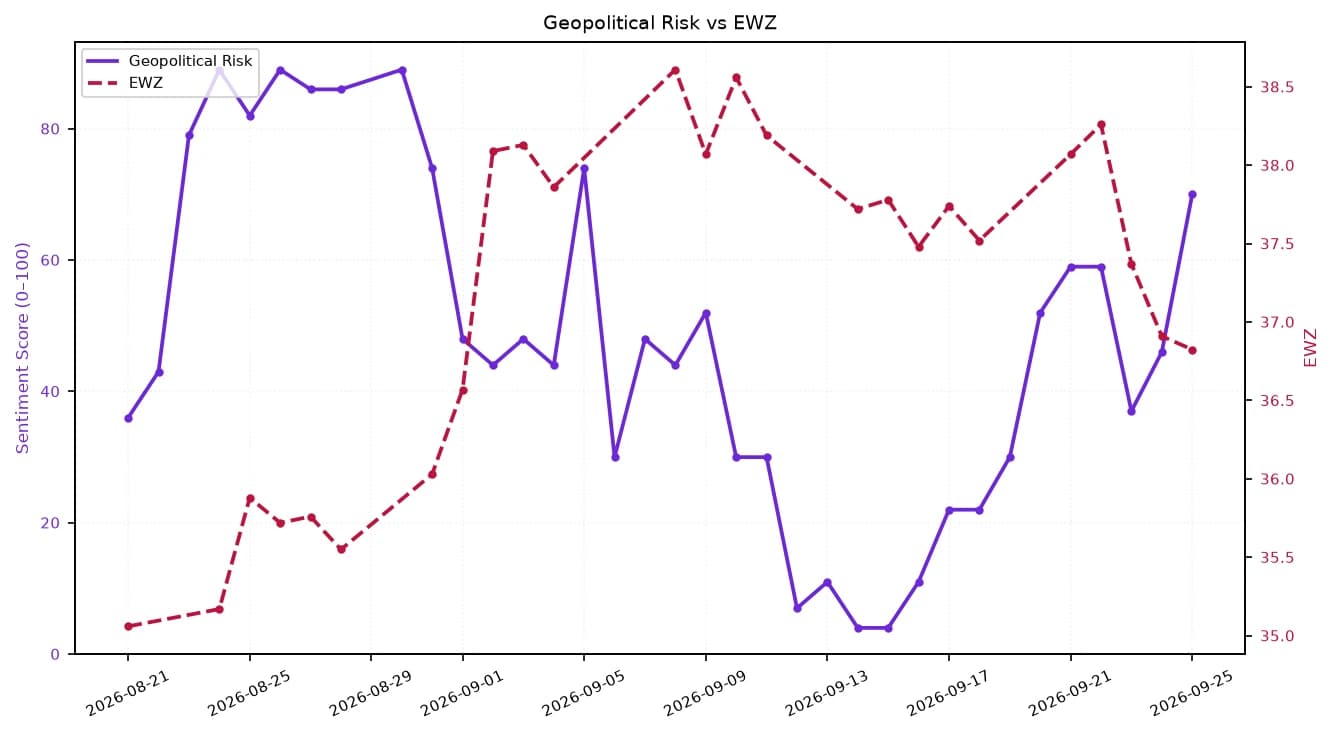
Brazilian assets have shown how quickly political risk can spill into pricing, and the timing matters. EWZ has fallen back toward its 50-day moving average after a sharp run-up earlier this year, while the 50-day sits only modestly above the 200-day, a reminder that sentiment can turn quickly when local risk headlines intensify. Petrobras shares, meanwhile, remain well bid on oil and policy expectations, but the broader Brazil trade still depends on confidence in institutions and clean governance, not just commodities and carry.
The investable takeaway is straightforward: this is a reminder to prefer Brazil exposures with hard cash flows, clean balance sheets and limited funding dependence, while staying selective on financials with political entanglements. In a market that often underprices governance risk until it is too late, the Banco Master episode is an argument for caution, not complacency.
| Entity | Gains | Losses |
|---|---|---|
| Brazilian regulators | ▲More leverage | ▼Less tolerance for opacity |
| Banco Master / Vorcaro | ▲Little | ▼Reputational damage, funding pressure |
| Bolsonaro orbit | ▲Political visibility | ▼Risk of fresh scrutiny |
| EWZ / Brazil equity bulls | ▲Selective opportunity | ▼Broad risk premium if scandal widens |