Egypt’s cabinet has rejected claims that it plans to hand ownership of the Suez Canal to the central bank to help settle domestic debt, drawing a hard line under one of the country’s most sensitive assets as pressure on sovereign balance sheets intensifies.
Egypt Rejects Suez Canal Ownership Transfer Claim
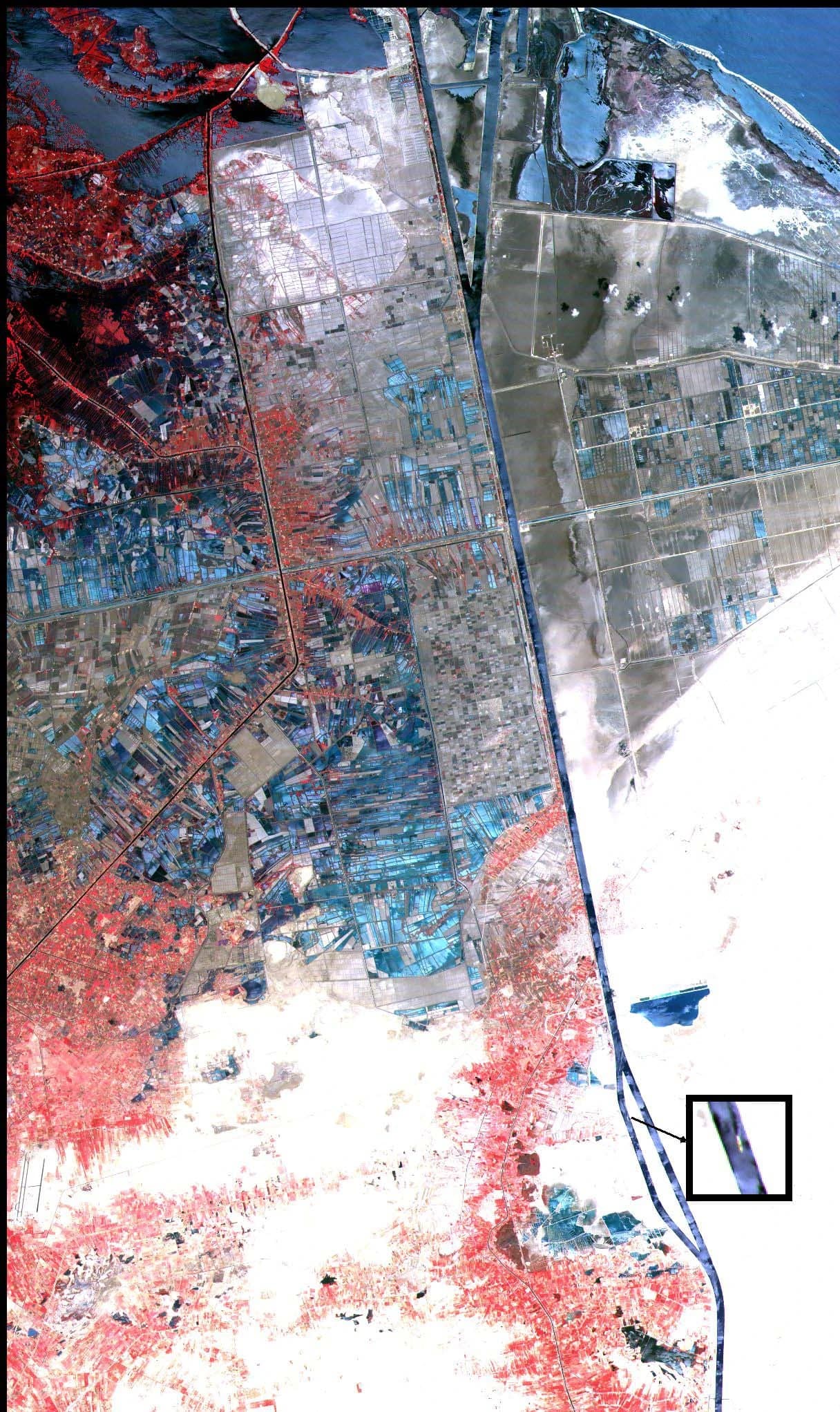
That matters because the canal is not just a symbol of sovereignty; it is one of Egypt’s most important economic arteries and a strategic chokepoint for global trade. Any suggestion that Cairo might even consider using it as collateral for debt relief would have raised alarms about the government’s financing flexibility, the durability of public assets and the limits of its debt-management playbook.
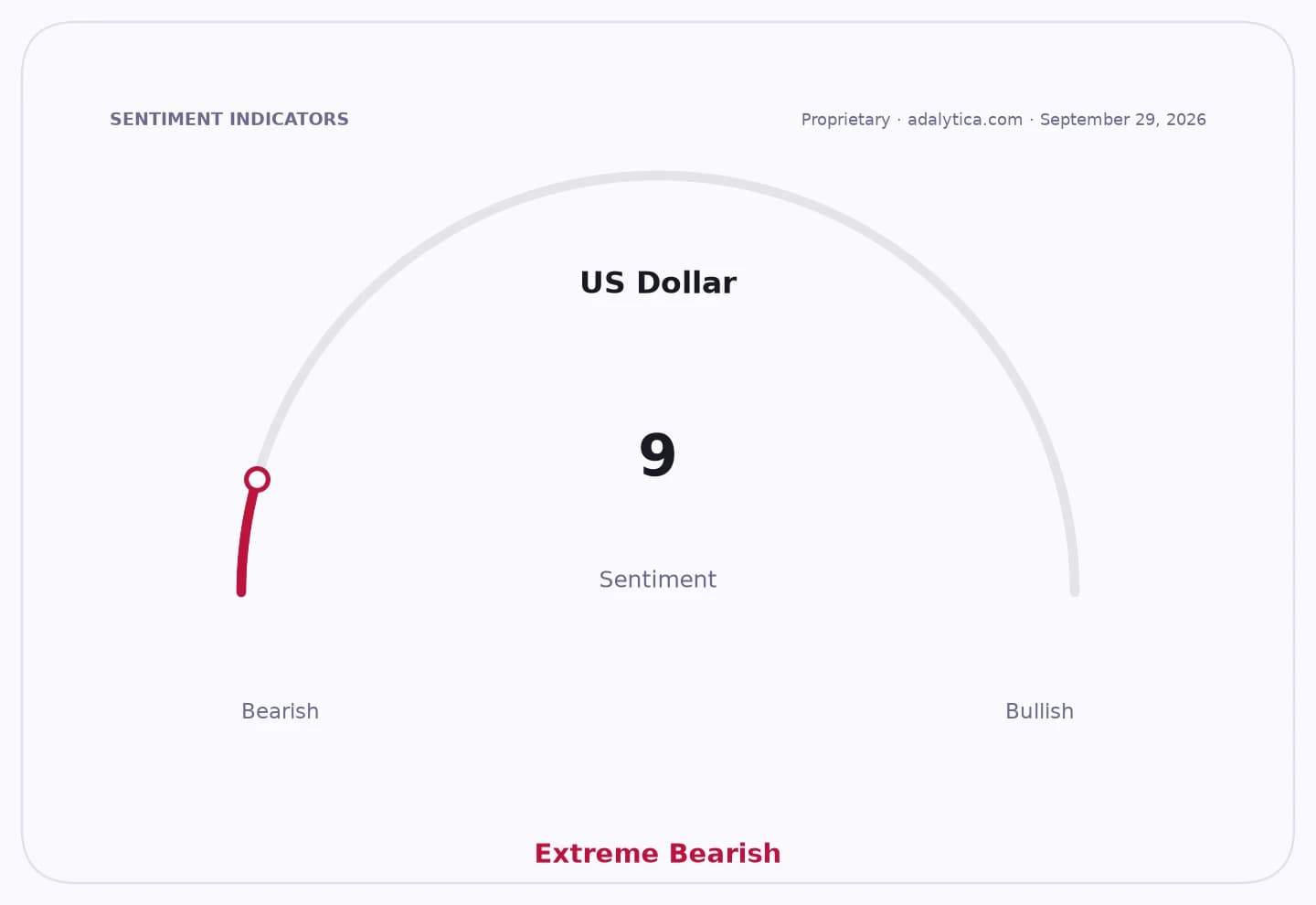
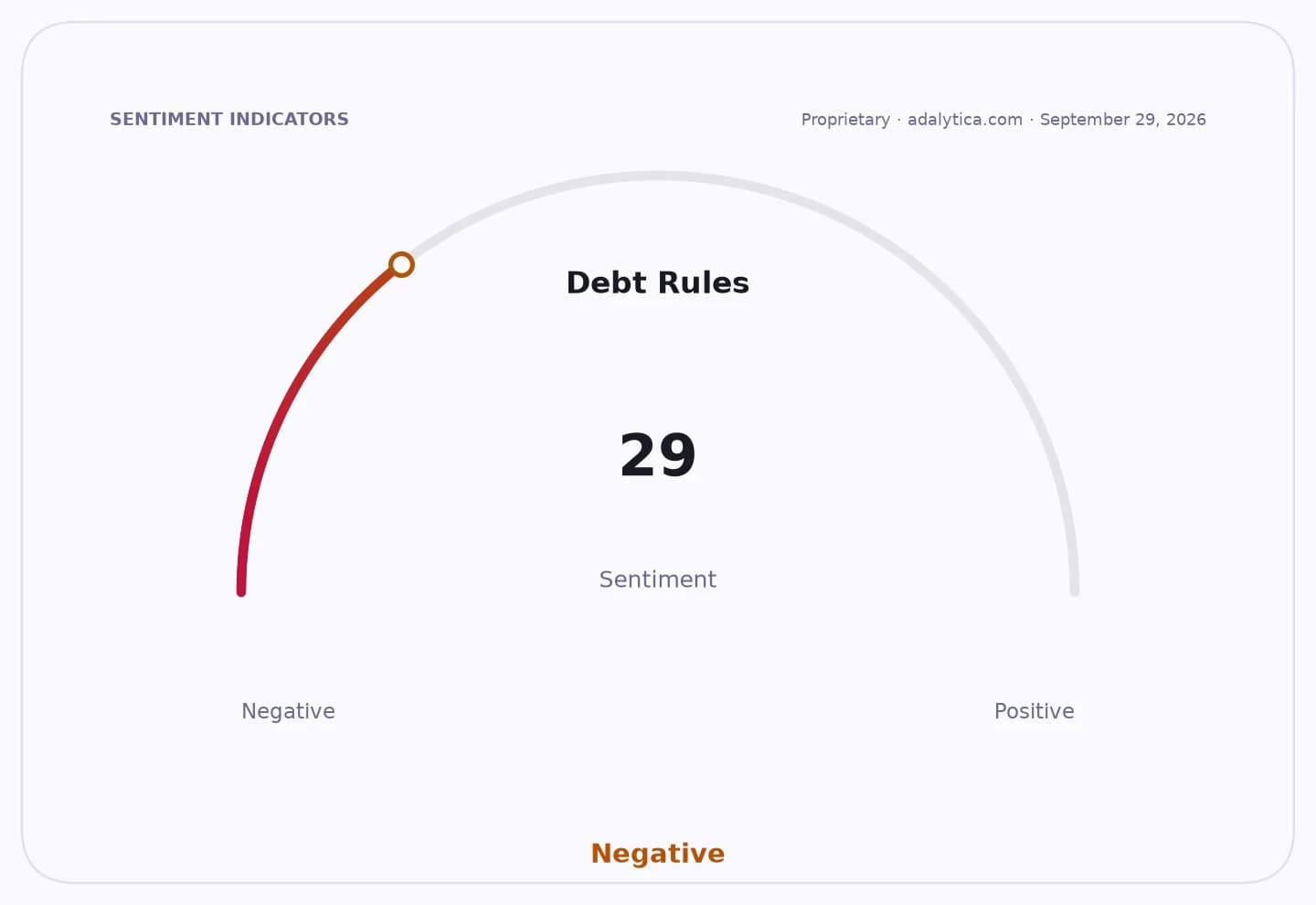
Sentiment IndicatorsⓘProprietary · adalytica.com · September 27, 2026
This is a snapshot — live sentiment, awareness and momentum for 130+ markets update continuously in the dashboard.Open AlphaPulse
The cabinet said the state has no intention of swapping, mortgaging or transferring ownership of the canal under any circumstances. It also stressed that moving assets and liabilities between government entities does not reduce the state’s overall debt burden, underscoring that accounting maneuvers are no substitute for lower borrowing costs, longer maturities and stronger fiscal revenues.
For investors, the message is twofold. First, Egypt is trying to reassure markets that the canal — a critical source of foreign-exchange earnings and geopolitical leverage — remains off-limits. Second, the denial reinforces the broader reality that emerging-market governments facing heavy debt loads cannot solve a funding problem by simply shifting assets around within the state balance sheet.
That is why the story lands well beyond Cairo. Global sovereign debt has climbed above $365 trillion, and governments from Europe to Asia are wrestling with rising financing costs. In that environment, investors are increasingly focused on whether policymakers can generate sustainable primary surpluses, improve asset returns and extend debt durations without eroding strategic control over crown-jewel infrastructure.
The investment implication is straightforward: Egypt’s public assets remain politically protected, but its debt challenge is still real. That keeps the spotlight on conventional fiscal reform, foreign-currency inflows and the performance of assets tied to trade and logistics rather than on one-off balance-sheet engineering. For equity and bond investors, the best opportunities still sit in the beneficiaries of trade normalization, port throughput and infrastructure resilience — not in fantasies of privatizing national chokepoints.
The message is that the Suez Canal is not for sale, but Egypt’s fiscal squeeze is still demanding a credible plan. Investors should watch whether Cairo can turn revenue growth, asset monetization outside strategic sectors and debt-extension efforts into a durable financing path — because until that happens, sovereign risk remains the real trade.
| Entity | Gains | Losses |
|---|---|---|
| Egyptian government | ▲Preserves sovereignty narrative | ▼No quick debt fix |
| Suez Canal Authority | ▲Asset protected | ▼Continues under fiscal scrutiny |
| Bondholders | ▲Less asset-risk uncertainty | ▼Debt burden unresolved |
| Trade-linked operators | ▲Stability at chokepoint | ▼None from this denial |