The US dollar weakened against the Egyptian pound at the start of trading on Sept. 24, extending a slide that reflects renewed foreign inflows and a calmer foreign-exchange backdrop in Egypt.
Egyptian Pound Firms as Dollar Weakens
Major banks in Egypt quoted the dollar at 51.37 pounds for purchases and 51.47 pounds for sales, while the Central Bank of Egypt posted 51.36 pounds to buy and 51.49 pounds to sell. The move, modest in isolation, matters because Egypt’s currency has been one of the most closely watched in emerging markets, with every shift in dollar pricing feeding directly into inflation, import costs and investor confidence.

A firmer pound lowers the local-currency cost of imported food, fuel and capital goods, which can help slow price pressures and improve the policy outlook for the central bank. It also suggests that supply and demand in the FX market are moving more in Egypt’s favor, at least for now, after periods when hard-currency shortages and depreciation expectations weighed heavily on households and businesses.
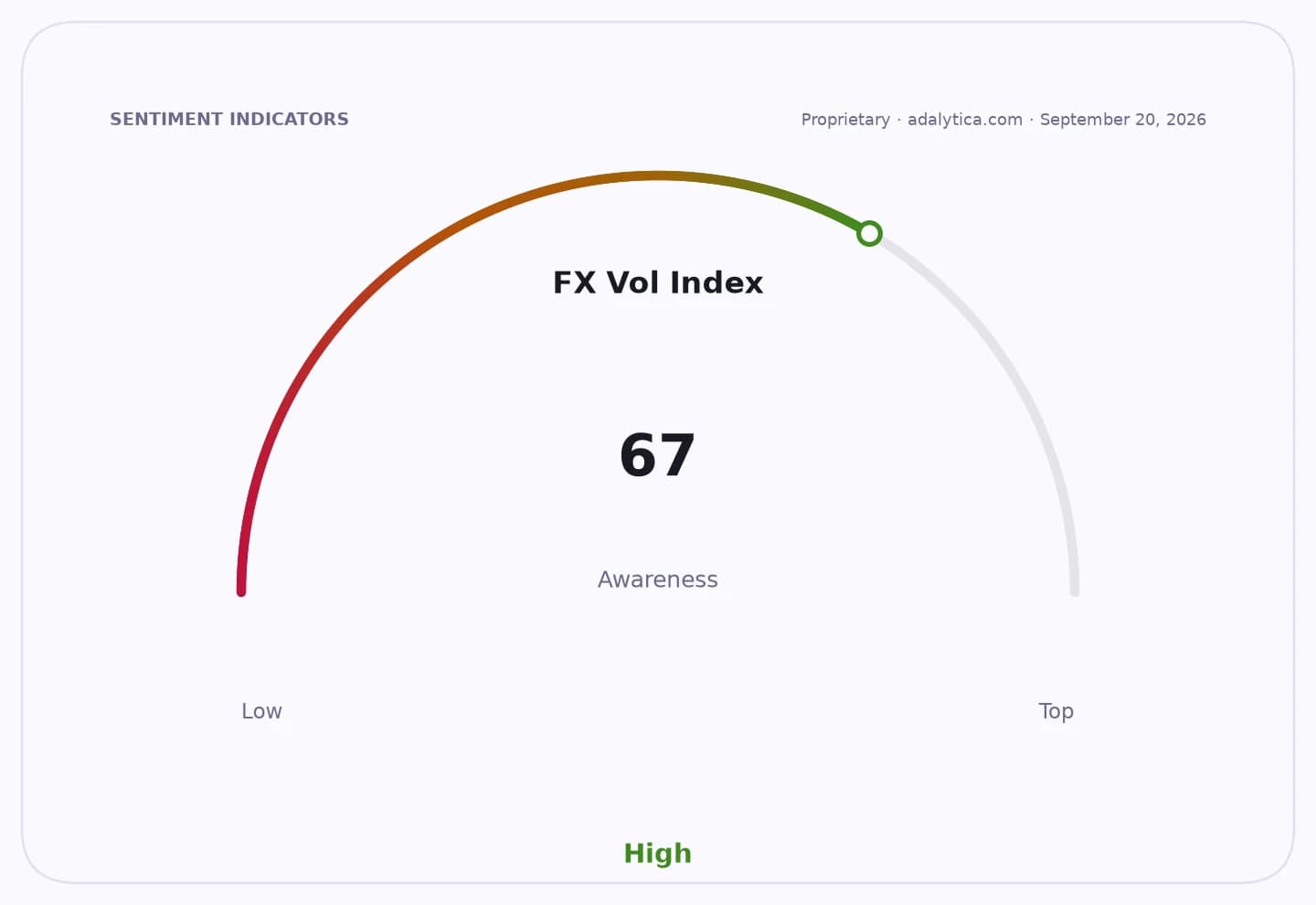
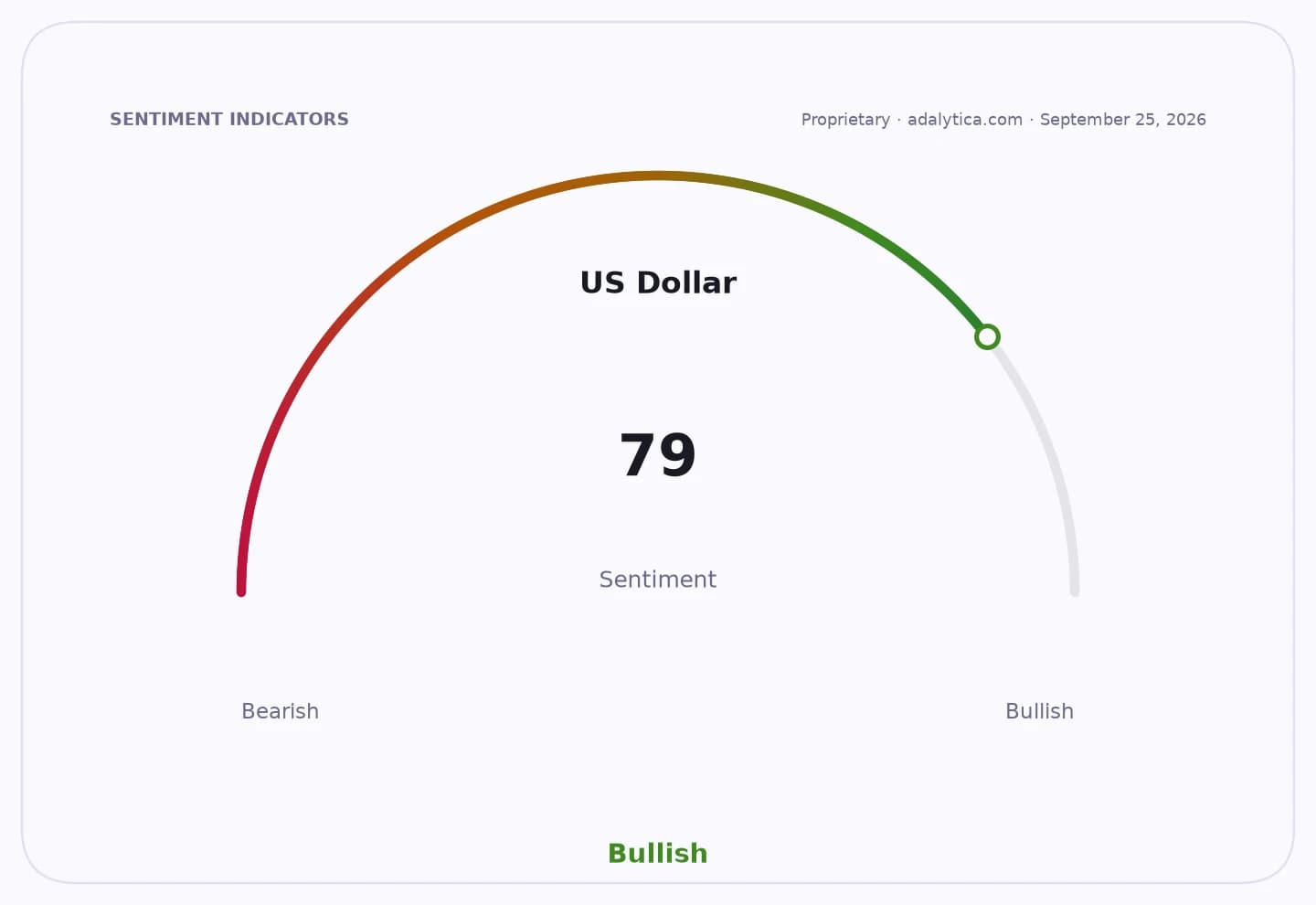
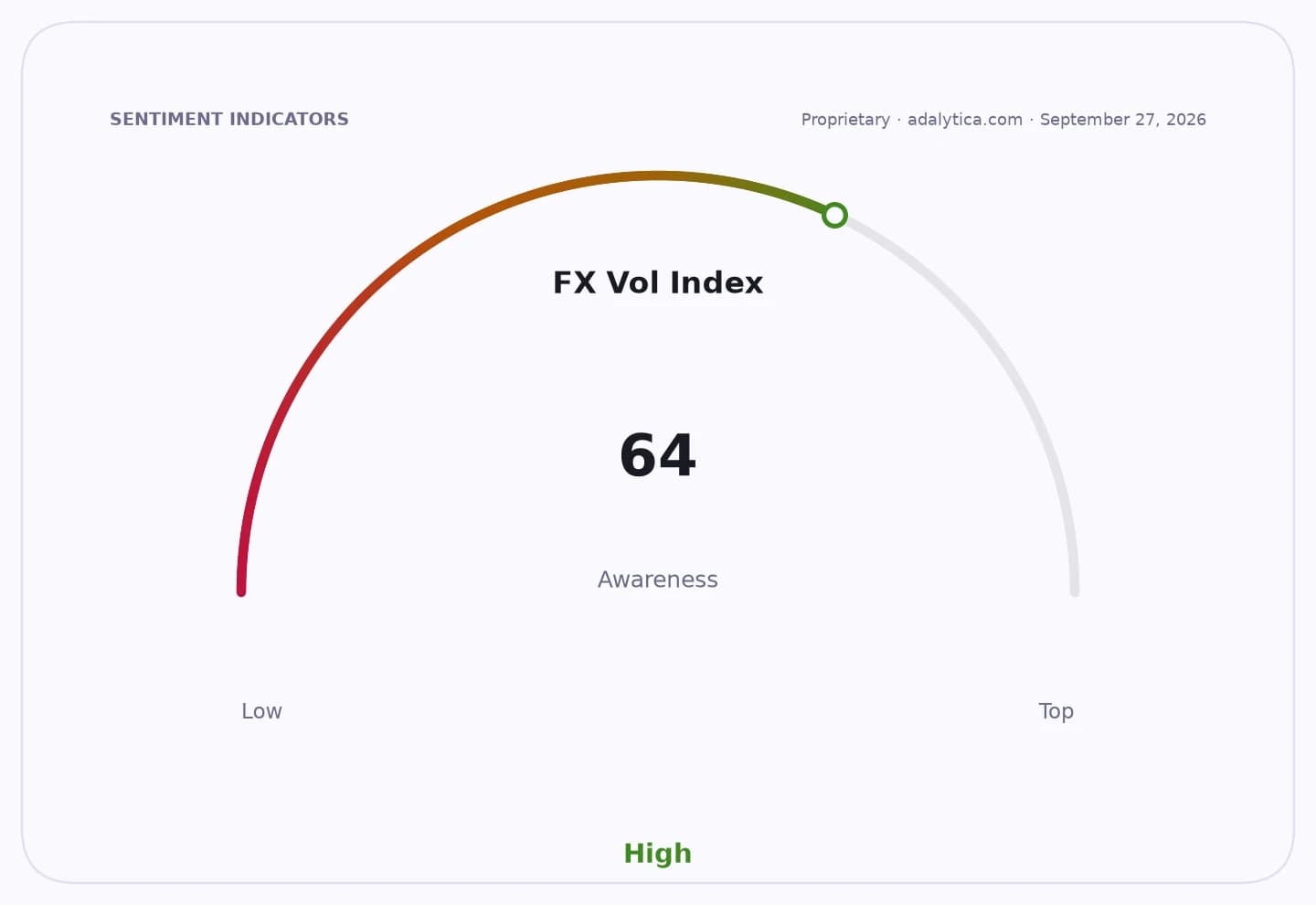
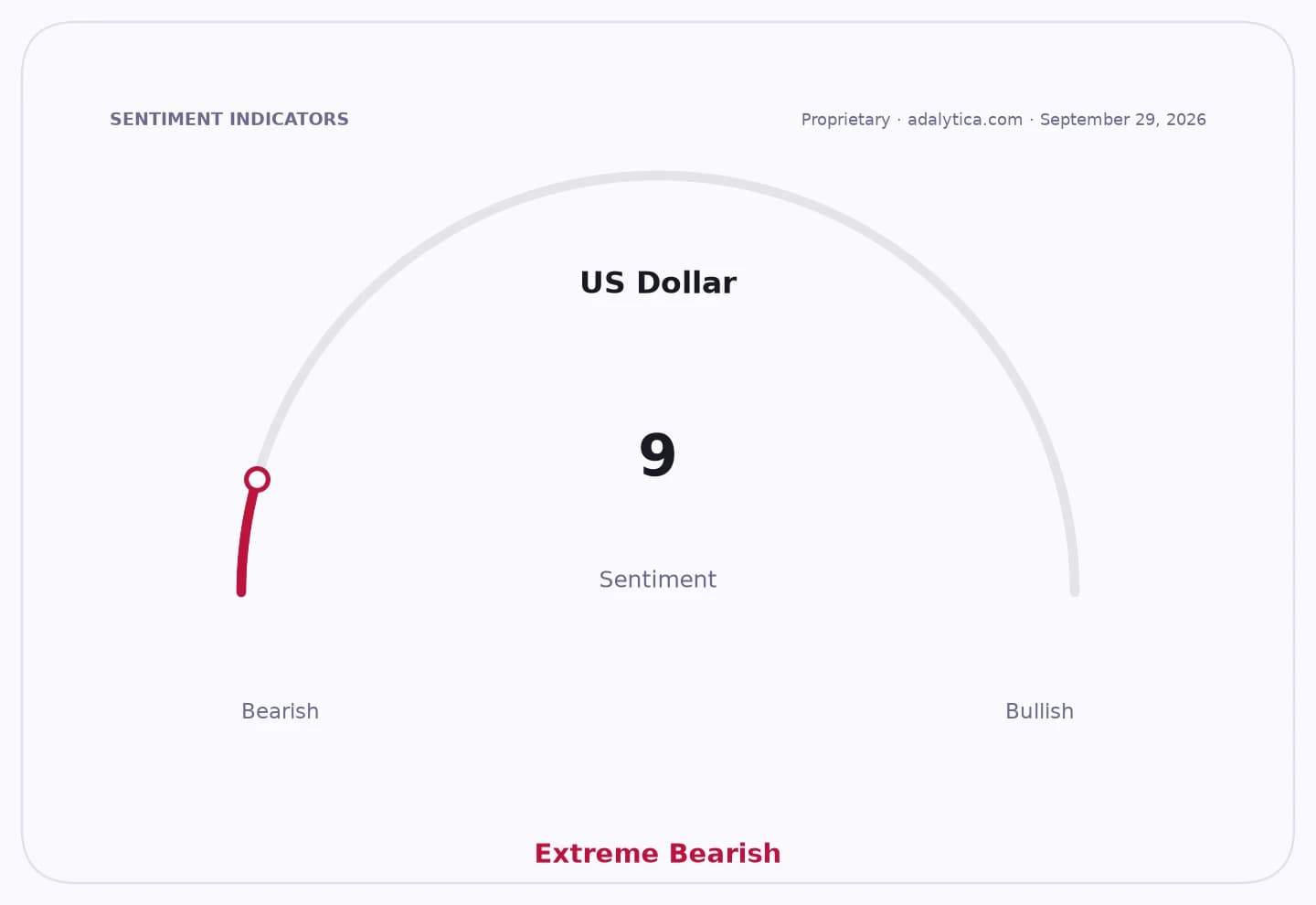
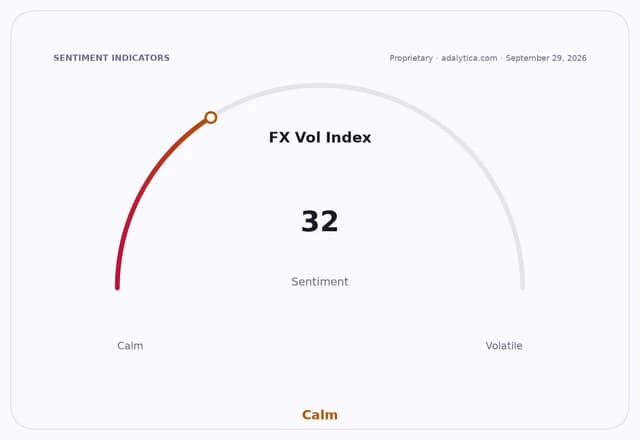
The latest market signals point to a broad retreat in dollar demand. Adalytica’s US Dollar Trade Signals showed “Extreme Fear” with sentiment at 9, while its FX volatility gauge remained in a neutral zone but with a fear-leaning awareness reading, indicating that traders see less urgency in chasing dollar strength. That fits with the broader narrative in Egypt of returning “hot money” and a stronger appetite for local assets.
For investors, the direction of the pound matters well beyond the headline FX quote. A more stable currency can support Egyptian sovereign debt, ease pressure on companies with foreign-currency liabilities and improve the case for capital spending in sectors tied to imports. It can also reduce the risk premium demanded by offshore investors who remain sensitive to currency convertibility and the durability of inflows.
The bull case is that the pound’s recent strength marks the start of a steadier FX regime, backed by portfolio inflows, tighter market discipline and improving confidence in Egypt’s policy mix. The bear case is that the move may still be fragile if inflows slow, global risk appetite weakens or local demand for dollars picks up again.
For now, the key question is whether the current easing in dollar pressure can persist long enough to give Egypt room to stabilize prices and attract more foreign capital, or whether it is just another short-lived move in a still-sensitive currency market.
| Entity | Gains | Losses |
|---|---|---|
| Egyptian pound | ▲Lower import costs | ▼— |
| Egyptian consumers | ▲Softer inflation pressure | ▼— |
| Importers | ▲Cheaper foreign goods | ▼Exporters’ price edge narrows |
| US dollar holders | ▲— | ▼Mark-to-market weakness |