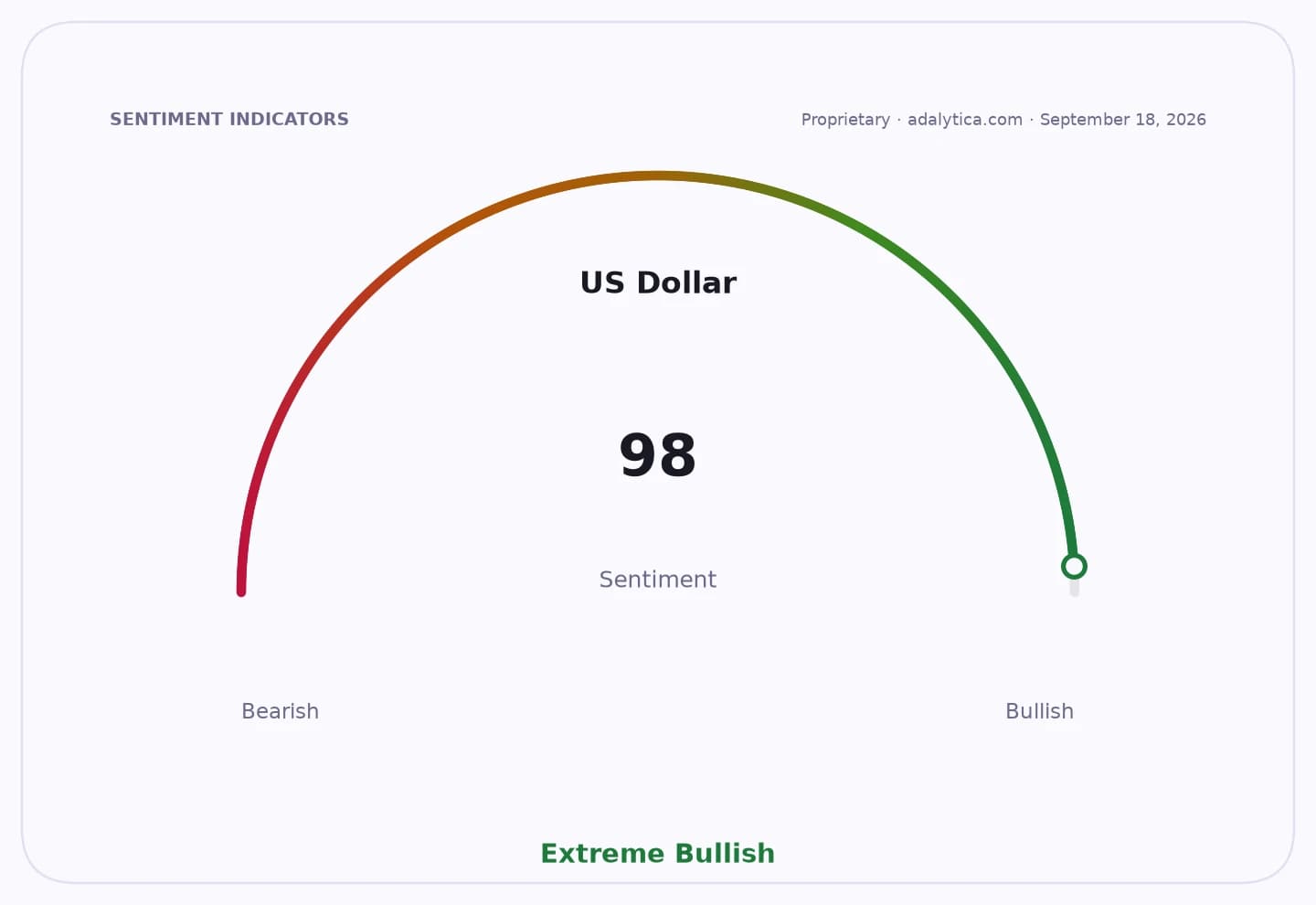
The dollar’s rebound above 3.80 zł against the zloty underscores a market caught between still-firm expectations for another Federal Reserve rate increase and easing geopolitical and oil-price pressures that argue for fewer hikes.
USD/PLN rises above 3.80 as Fed odds hold
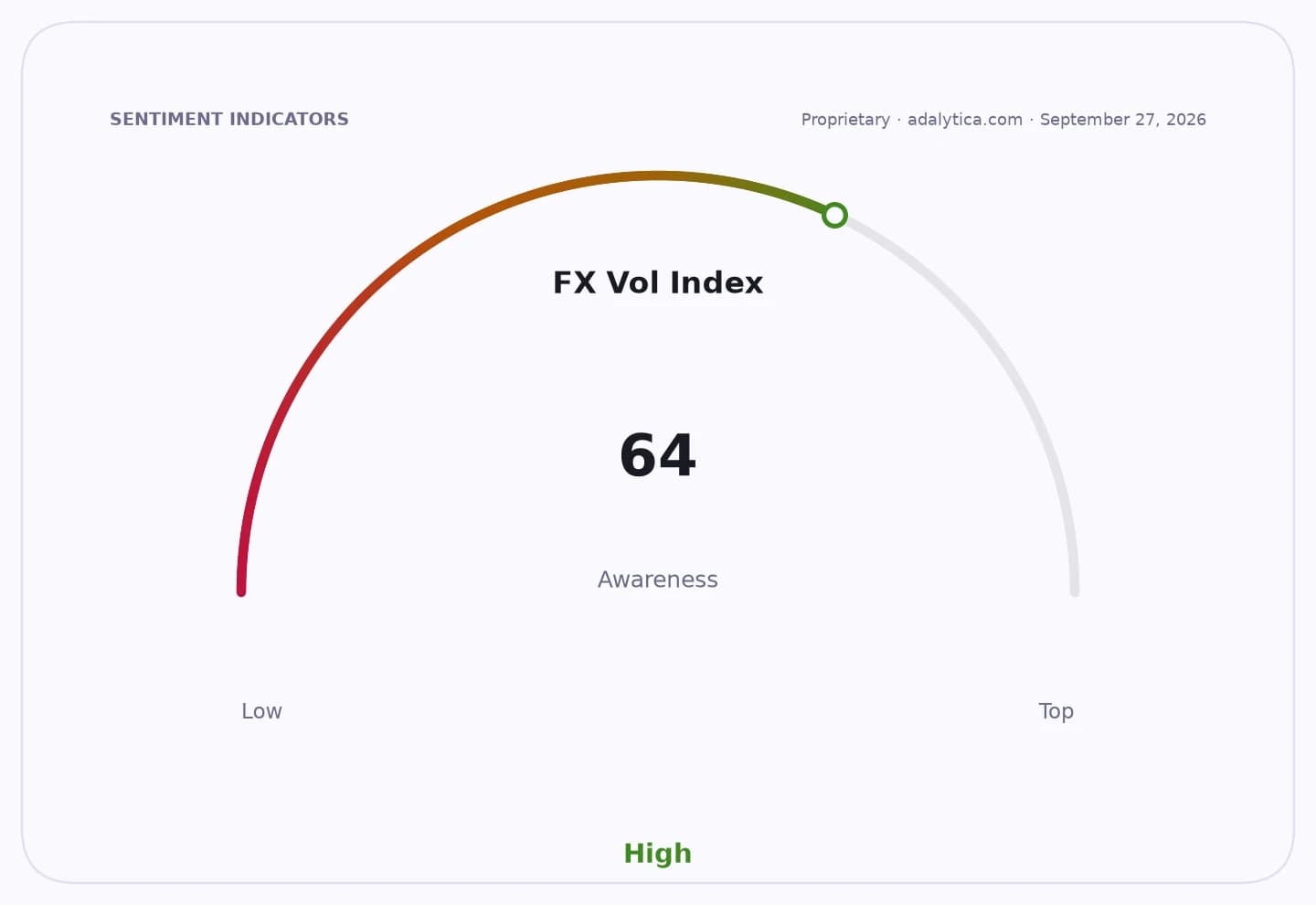
The move matters because the dollar is not strengthening on a clean macro story. Instead, traders are weighing a nearly even bet on an October Fed move against signs that lower crude prices and de-escalation in the Iran conflict may soon reduce inflation pressure in the U.S. That mix keeps foreign-exchange markets choppy and leaves central-bank messaging as the main driver of short-term currency direction.
Sentiment IndicatorsⓘProprietary · adalytica.com · September 27, 2026
This is a snapshot — live sentiment, awareness and momentum for 130+ markets update continuously in the dashboard.Open AlphaPulse
On Tuesday, USD/PLN returned above PLN 3.80, while the dollar index rose 0.23% to 100.38, moving away from the psychologically important 100 mark. The euro slipped to around $1.1434, and the dollar’s gain against the złoty was modest at 0.36%, suggesting the latest move was more a tactical repricing than the start of a sustained trend. Even so, the level matters for Polish importers, exporters and households because a firmer dollar can quickly feed into energy, commodity and dollar-denominated pricing.
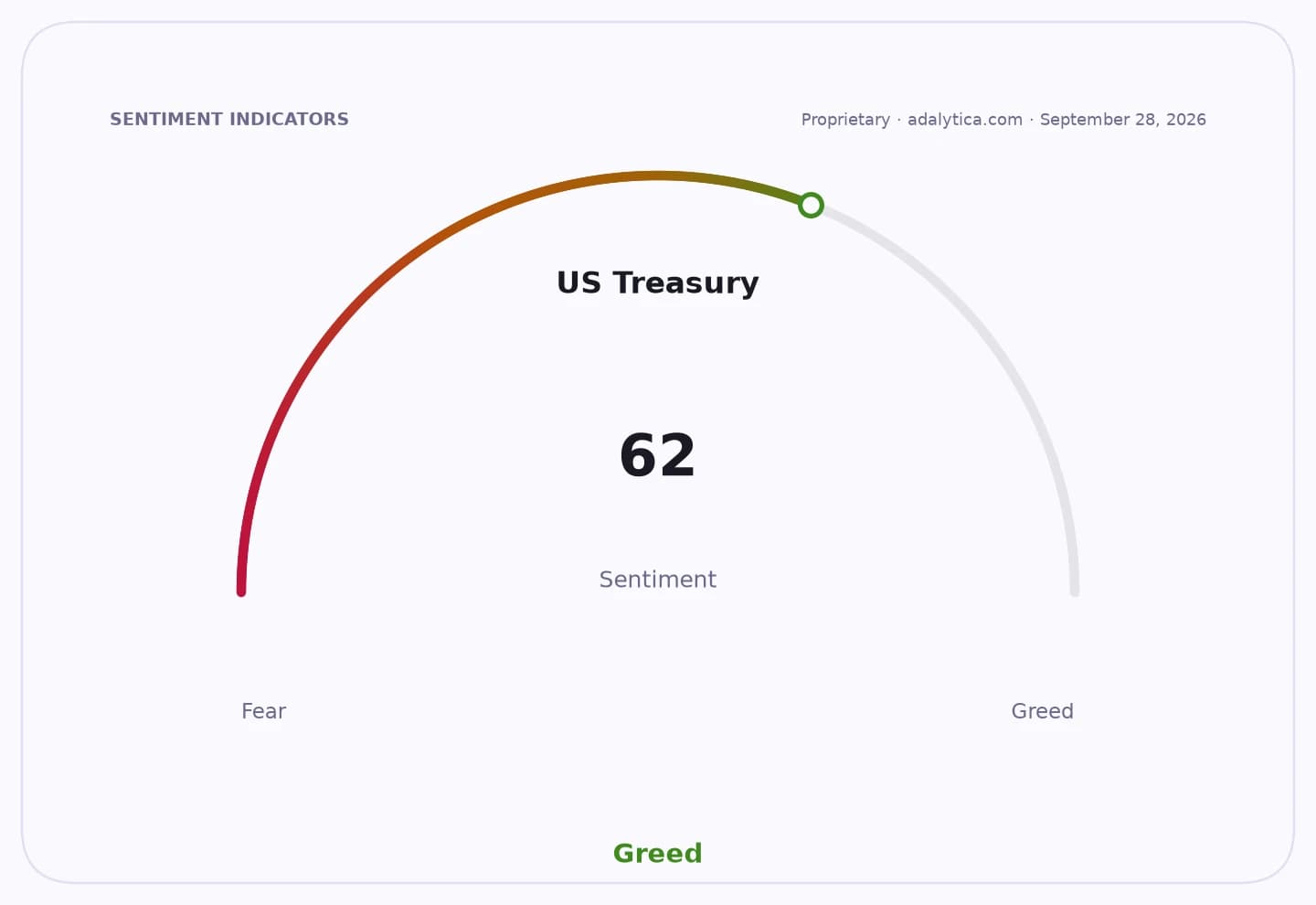
The market is almost evenly split on whether the Fed will raise rates again in October. CME FedWatch puts the odds of at least a 25-basis-point increase at 53.1%, down from 57.6% a day earlier. Investors are looking to comments from John Williams, Philip Jefferson and Thomas Barkin for clues on whether policymakers still see enough inflation risk to justify another hike. That uncertainty is what keeps the dollar supported even as the underlying data and geopolitical backdrop are turning less dollar-friendly.
Oil’s more than 2% drop to a two-week low is the counterweight. With Tehran signaling possible flexibility on the Strait of Hormuz and both sides leaving room for talks, markets have begun to price less risk of a prolonged supply shock. Lower crude eases inflation pressure, which in turn weakens the case for further Fed tightening. That matters for the dollar because rate expectations remain the dominant engine of currency valuation; if energy prices keep falling, the case for a stronger dollar based on policy divergence becomes harder to sustain.
Technical positioning also suggests the dollar still has buyers. Morgan Stanley said options activity in the week to Sept. 18 showed investors adding long dollar exposure while increasing short euro positions. That fits with the current market mood: caution on the dollar’s near-term direction, but not yet a decisive shift away from USD strength. Adalytica’s U.S. dollar trade signals remain neutral, while euro sentiment has weakened sharply, reflecting broad hesitation rather than conviction.
For investors, the key question is whether the 3.80 level in USD/PLN becomes a new floor or just a temporary breakout. A firmer dollar would pressure local currency assets and imported costs, but if the Fed turns more cautious or oil continues to fall, the move could reverse quickly. The next catalyst is not just the Fed speakers this week, but whether crude stays weak enough to remove one of the central bank’s main reasons to keep tightening.
| Entity | Gains | Losses |
|---|---|---|
| USD bulls | ▲Higher carry expectations | ▼A softer inflation outlook |
| Polish importers | ▲None | ▼Higher dollar-denominated costs |
| Polish exporters | ▲Weaker złoty competitiveness | ▼None |
| Oil buyers | ▲Lower energy costs | ▼Oil producers and inflation hawks |