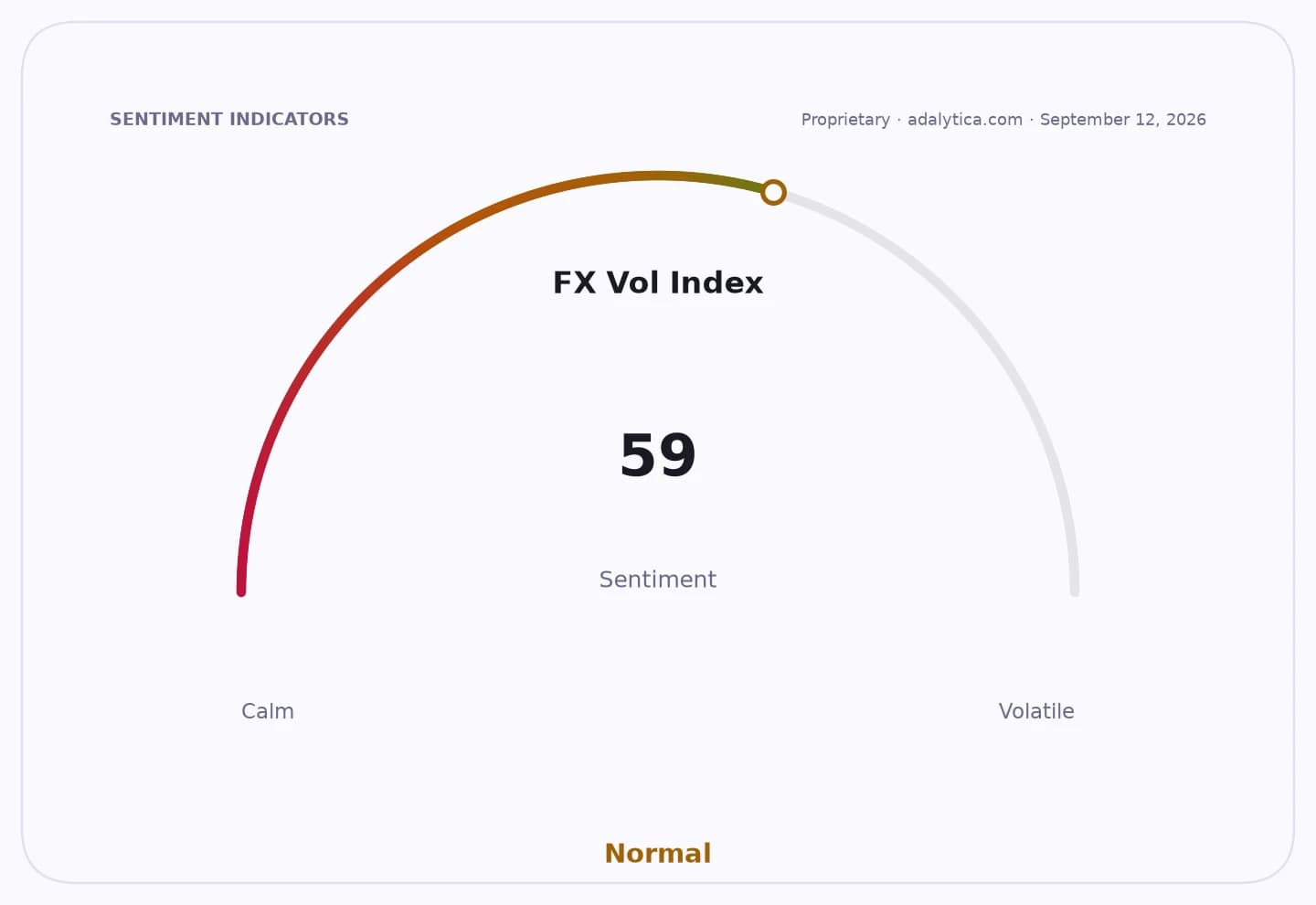
The dollar’s post-Fed rebound is the main force shaping FX trading today, but large option expiries in EUR/USD and USD/JPY could pin spot around key levels and slow the next move.
Dollar rebound pins EUR/USD and USD/JPY levels
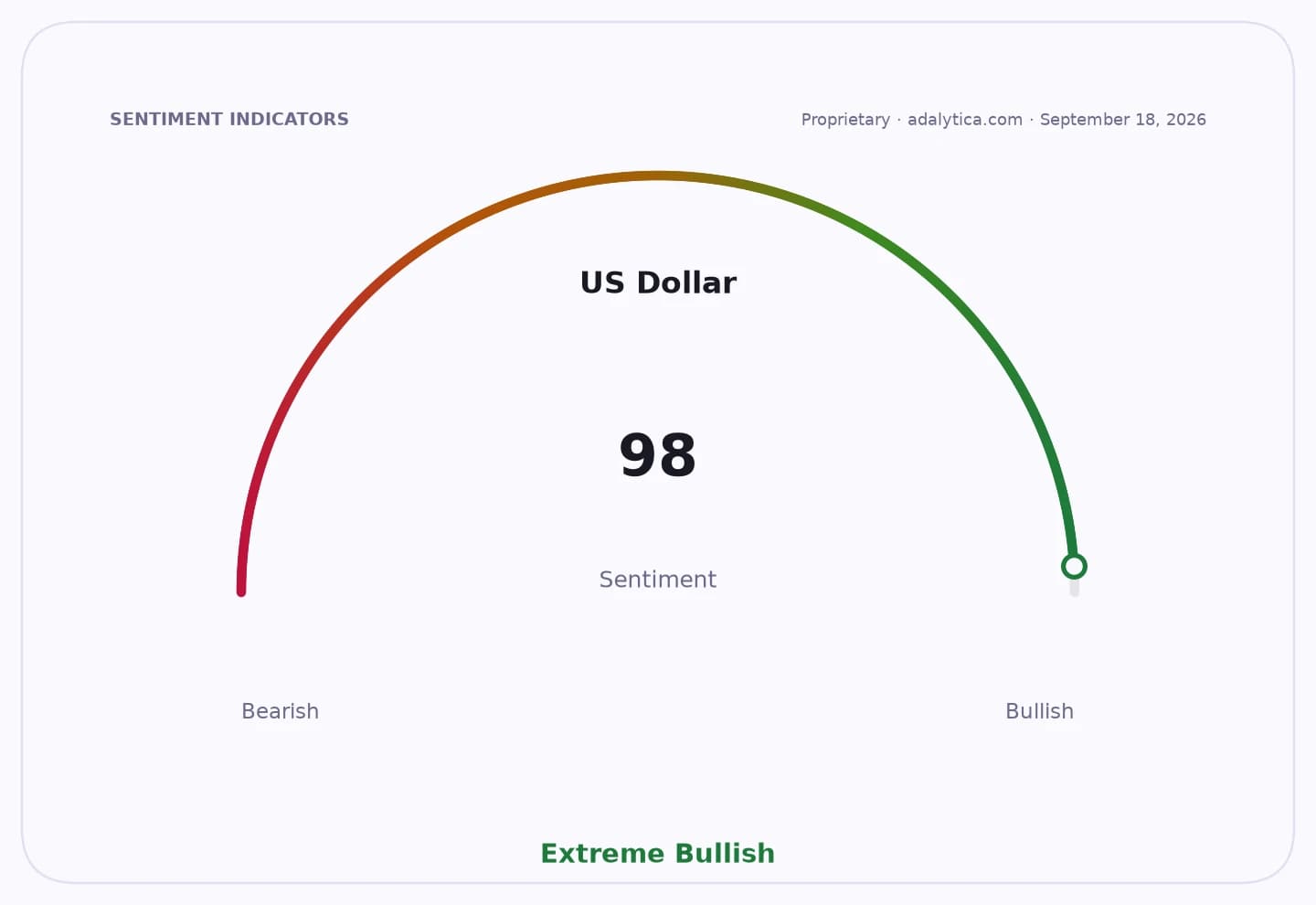
That matters because the market is still recalibrating to a more hawkish Federal Reserve, with U.S. rate expectations pulling Treasury yields higher and keeping the dollar bid. The two-year Treasury yield is around 4.77%, while the 10-year is near 5.03%, a combination that reinforces the dollar’s yield advantage and helps explain why euro and yen trading remain vulnerable to flows around expiry time.
For EUR/USD, the biggest strikes sit at 1.1430, 1.1450 and 1.1500, all close enough to spot to matter in a thin, event-driven session. The 1.1500 level stands out for size and could act as a near-term ceiling for any recovery, while 1.1450 and 1.1430 may provide a floor if the dollar extends gains. In practical terms, that means dealers may have incentive to defend the range into the 10 a.m. New York cut, reducing volatility even as the broader trend still points to a firmer greenback.
USD/JPY is facing a similar setup, with a large 156.00 expiry close to current trading. That level can work like a magnet, especially when the dollar is not extending aggressively from the prior session. If Treasury yields stay elevated and dollar buying resumes, the expiry could help center price action near 156, but if U.S. yields cool, the pair may struggle to hold that figure.
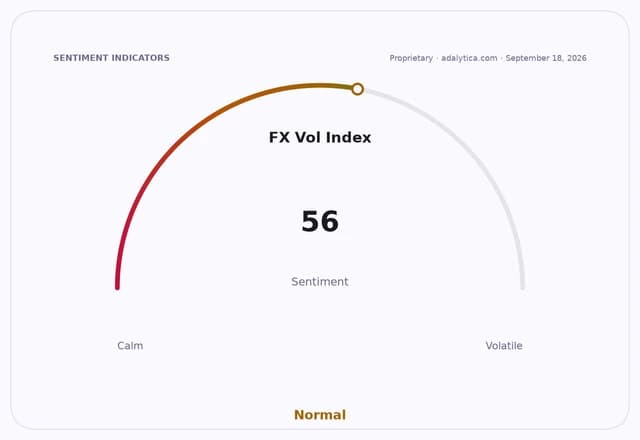
For investors, the message is bigger than today’s option board. The market is underestimating how much higher U.S. rates can support the dollar even before the Federal Reserve does anything else. That makes the dollar itself, along with assets exposed to its strength, the key macro trade to watch. In Adalytica.com’s FX Volatility Trading Signals, sentiment is neutral but the 30-day change is up 40%, showing volatility can still reprice quickly when rates and policy expectations shift.
The investable angle is to stay positioned for a stronger dollar regime rather than chasing every dip in EUR/USD or USD/JPY. That favors dollar beneficiaries, including U.S. exporters with pricing power, while keeping pressure on foreign currencies and the assets tied to them. Until the Fed narrative softens or Treasury yields break lower, option expiries are more likely to compress intraday ranges than reverse the broader trend.
| Entity | Gains | Losses |
|---|---|---|
| U.S. dollar | ▲Yield support, sticky bid | ▼Limited only if yields fall |
| EUR/USD bulls | ▲Range trade around expiries | ▼Breakout upside, recovery momentum |
| USD/JPY traders | ▲Near-term pinning near 156 | ▼Sharp yen rebound if yields ease |
| Importers in euro/yen markets | ▲Shorter-term pricing stability | ▼Currency hedging costs stay high |