The U.S. inflation shock is rippling through global markets, lifting the dollar, weakening the zloty and sending the euro to its most expensive level against the złoty in two years.
Dollar rises as zloty weakens on U.S. PMI

Investors are repricing the path for Federal Reserve rates after U.S. PMI data pointed to faster activity, firmer hiring and rising input costs, all of which raised the odds that inflation will stay sticky and force the Fed to keep policy tighter for longer. That shift matters because higher U.S. yields typically pull capital toward dollar assets and away from higher-risk or lower-yielding currencies such as the zloty.
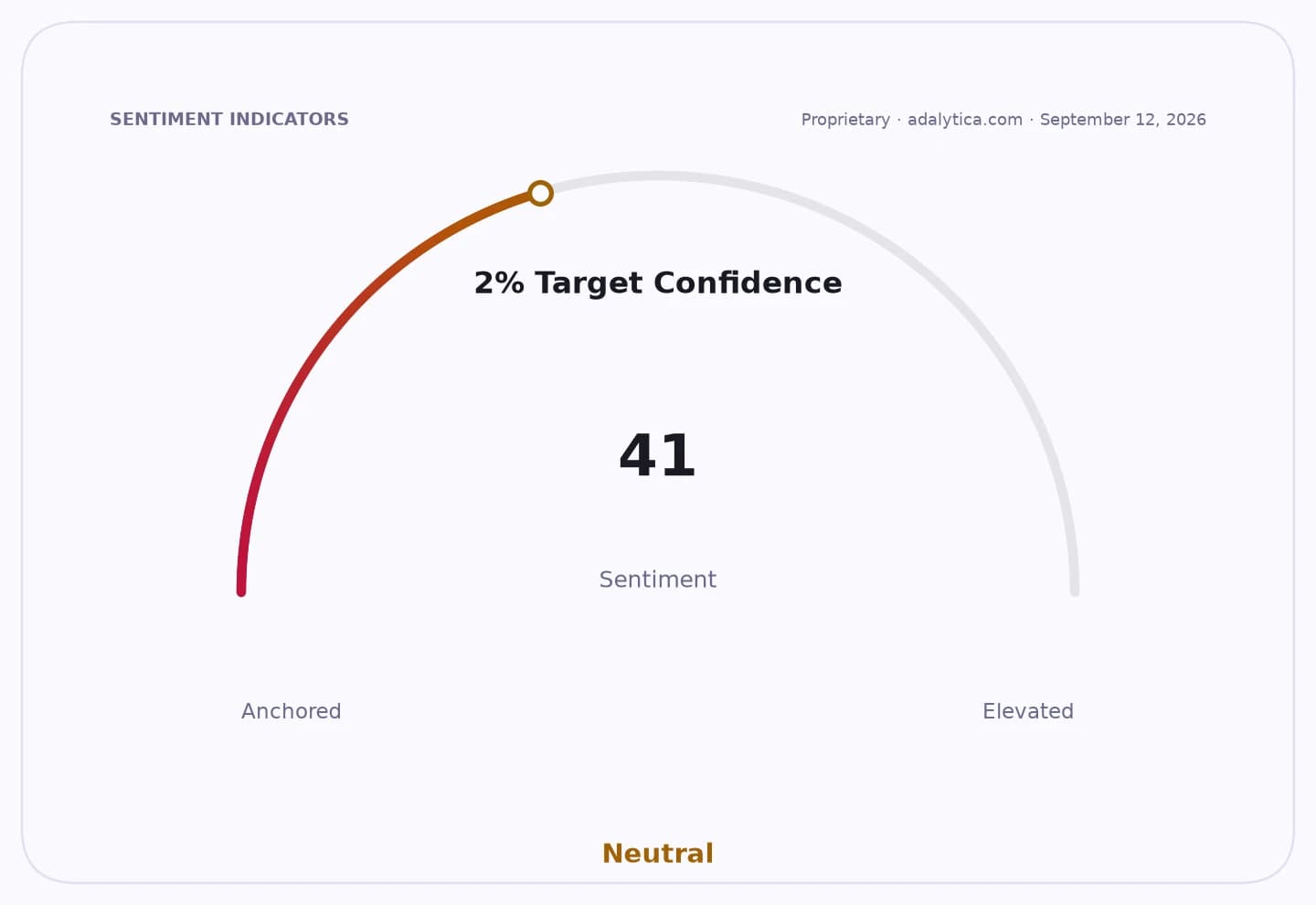
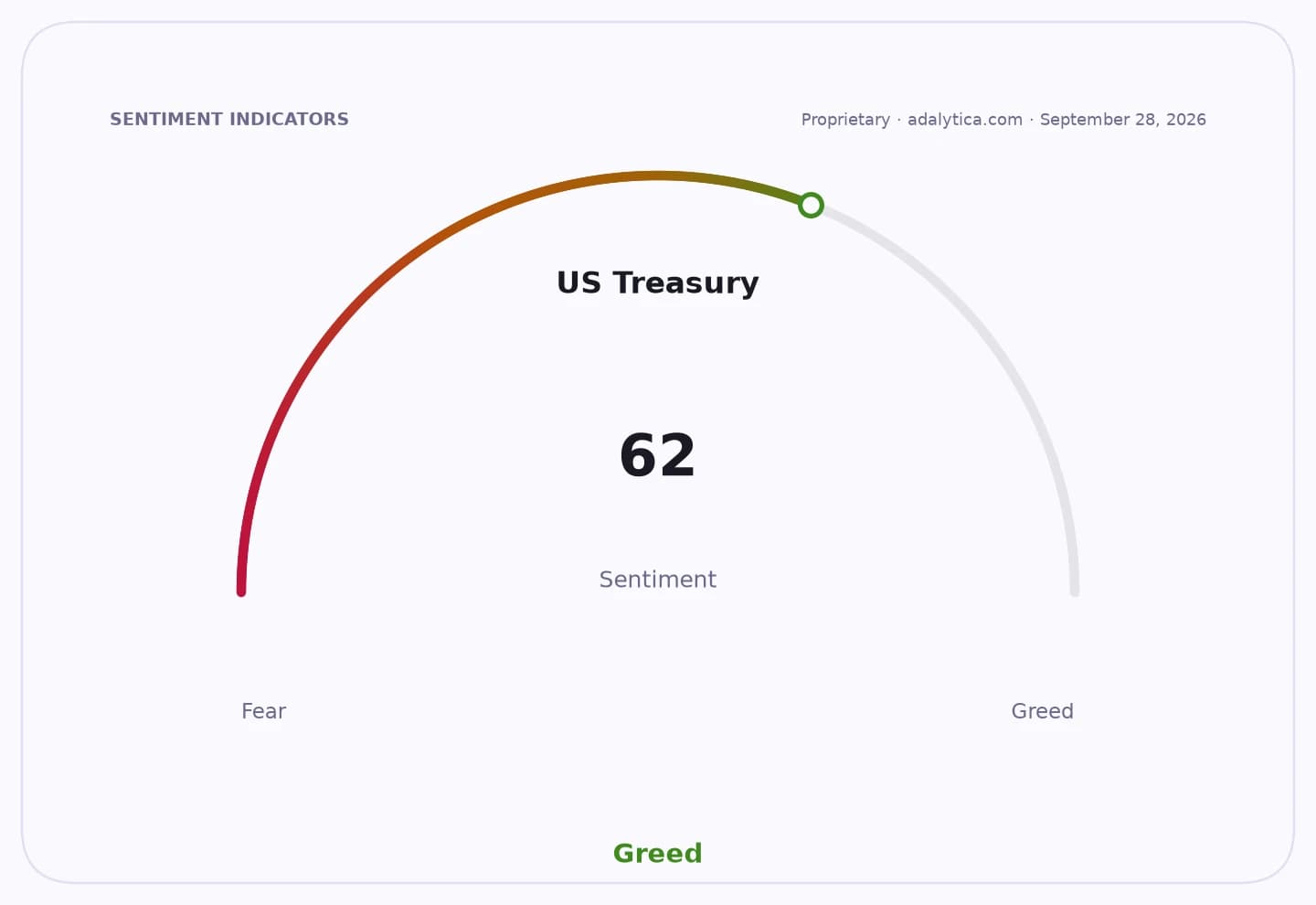
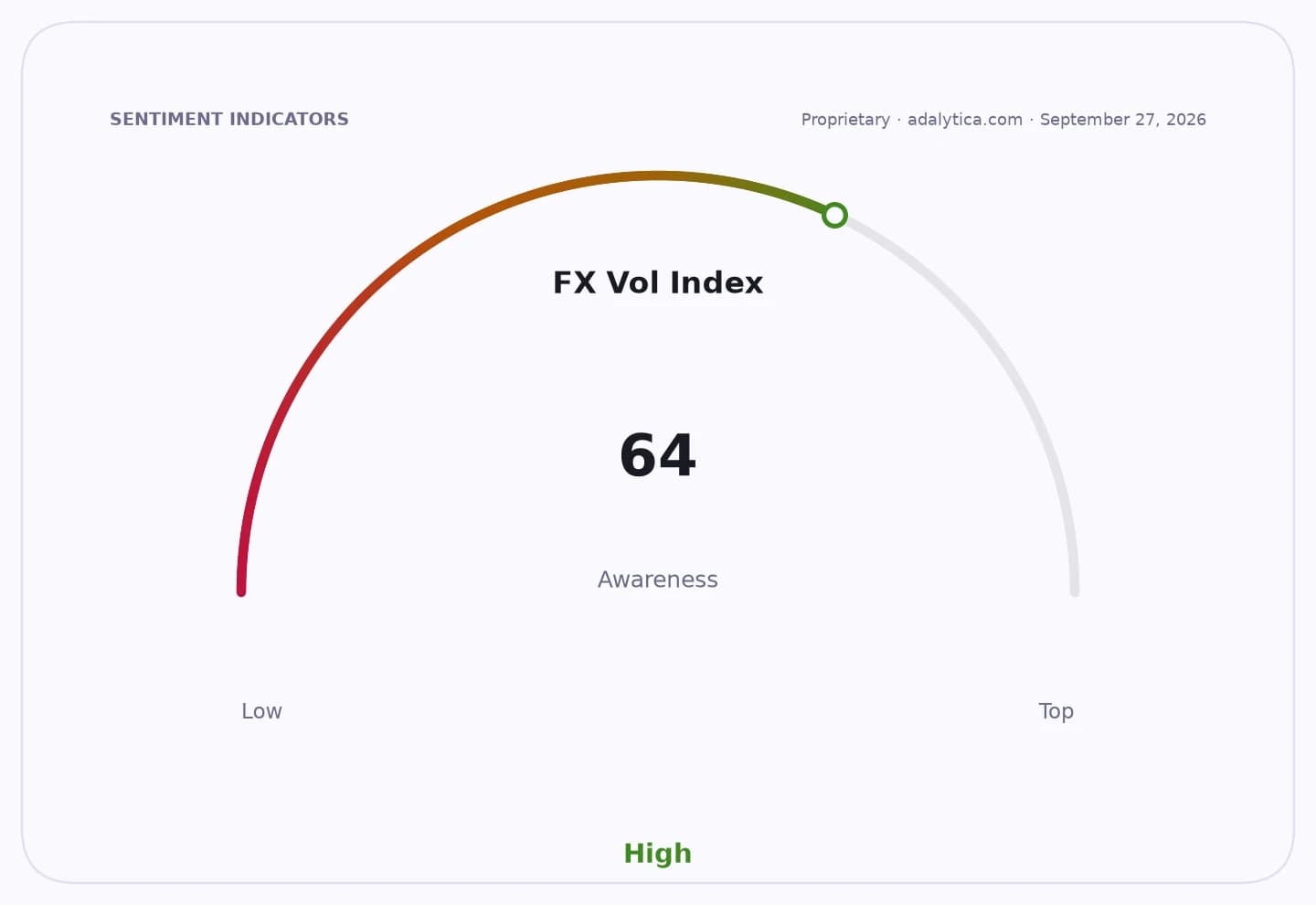
Sentiment IndicatorsⓘProprietary · adalytica.com · September 29, 2026
This is a snapshot — live sentiment, awareness and momentum for 130+ markets update continuously in the dashboard.Open AlphaPulse

In Warsaw, the dollar rose to 3.85 złoty, its highest since April 2025, while the euro climbed to 4.38 złoty, the strongest since November 2024. Poland’s 10-year bond yield also moved up to 6.3% from 6.16% a day earlier, underscoring how a U.S.-driven repricing of rates is spilling into local debt markets even without new domestic data.
The move was driven by the latest U.S. composite PMI, which rose to 58.4 in September from 56.0 in August, the highest since July 2021. The survey pointed to the fastest employment growth in more than four years, the strongest new orders since spring 2022 and growing backlogs, a combination that markets read as inflationary.
That pushed Fed funds futures to price in more rate increases, with traders now expecting hikes in October and December and additional tightening next year. A year from now, the policy rate is seen around 4.75% to 5.0%, about a percentage point above current levels.
The dollar’s strength also reflected a jump in Treasury yields, with the 10-year U.S. note moving to 5.18%, while policy expectations for the Fed remained near 3.63% on the federal funds rate. Conventional technical indicators on the euro ETF FXE show the fund below its 50-day average and 200-day average, with a weak RSI reading, reinforcing the view that the euro-dollar move remains under pressure.
For Poland, the currency slide is not just a trading story. A weaker zloty raises the cost of imported goods and energy, complicates the inflation outlook and may force the National Bank of Poland to keep a tighter stance for longer if price pressures persist.
That tension is now colliding with local policy debate. NBP policymaker Ludwik Kotecki said a November projection showing inflation staying above 4% would force the central bank to raise rates, though he argued any move should be gradual. The bank’s target is 2.5%, with a one-point tolerance band.
At the same time, Poland’s debt market showed it can still attract demand. The finance ministry sold more than 12 billion złoty of bonds at auction, with bids totaling 22.54 billion złoty, the strongest demand at a regular auction since February and the first since Moody’s cut Poland’s rating. The 10-year line drew a 6.12% yield, indicating investors remain willing to buy Polish debt if pricing compensates for the risks.
Broader European data also helped explain why the euro did not strengthen against the dollar despite resilient activity. The euro zone composite PMI rose to 53.1, the highest in more than three years, but investors had already been looking for easier policy in Europe and the data did little to change expectations the way the U.S. figures did.
For investors, the message is that the next leg in currency and bond markets is being set more by the Fed than by local fundamentals. Unless U.S. inflation cools or growth slows, the dollar’s rally can keep pressure on the zloty and other European currencies, while keeping Polish yields elevated into the next round of central bank meetings.
| Entity | Gains | Losses |
|---|---|---|
| U.S. dollar holders | ▲Higher FX returns | ▼Foreign borrowers |
| Polish exporters | ▲Softer zloty support | ▼Importers and consumers |
| Polish bond buyers | ▲Higher yields | ▼Polish Treasury financing costs |
| Fed hawks | ▲Stronger case for hikes | ▼Dollar bears and rate-cut bets |