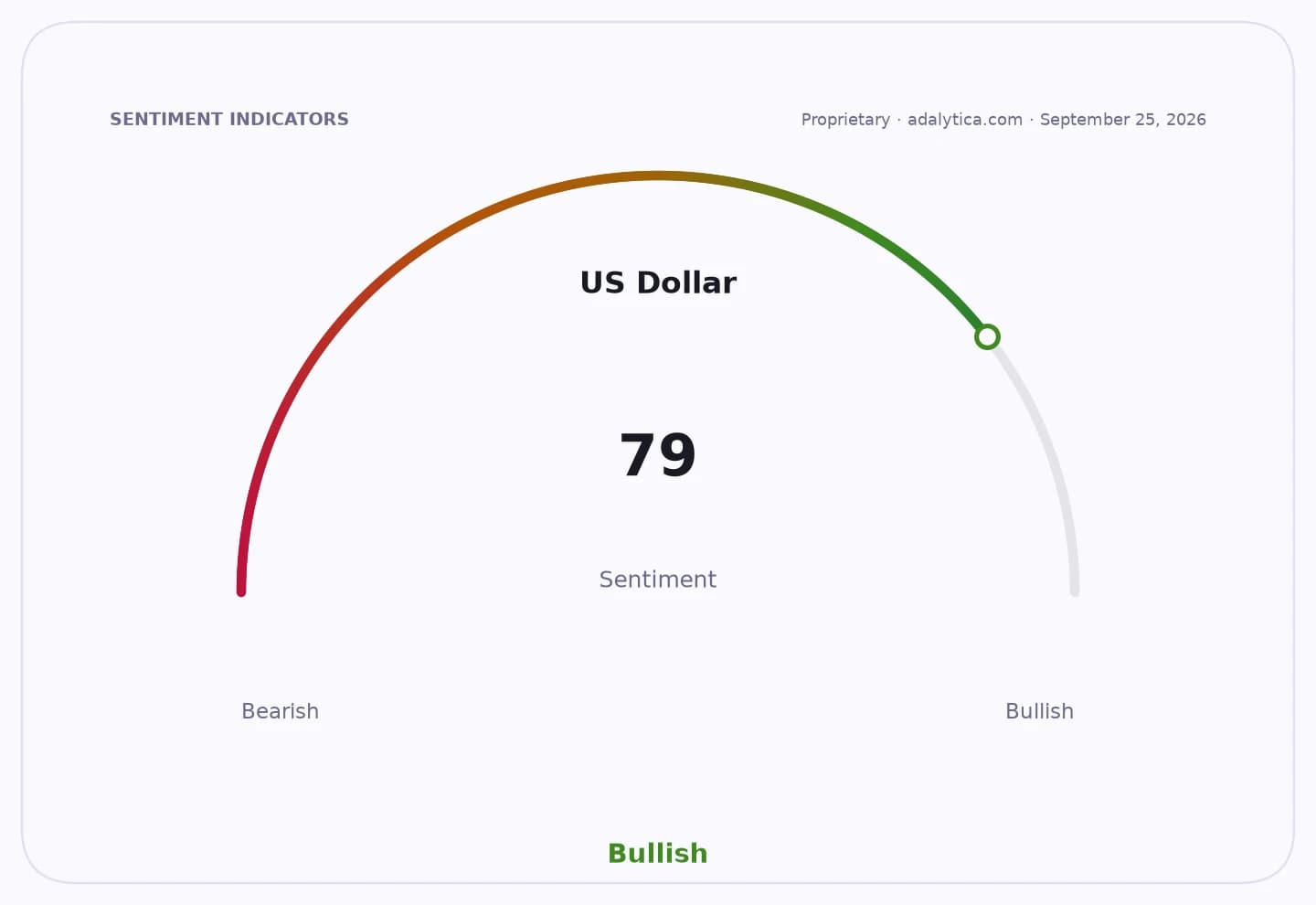
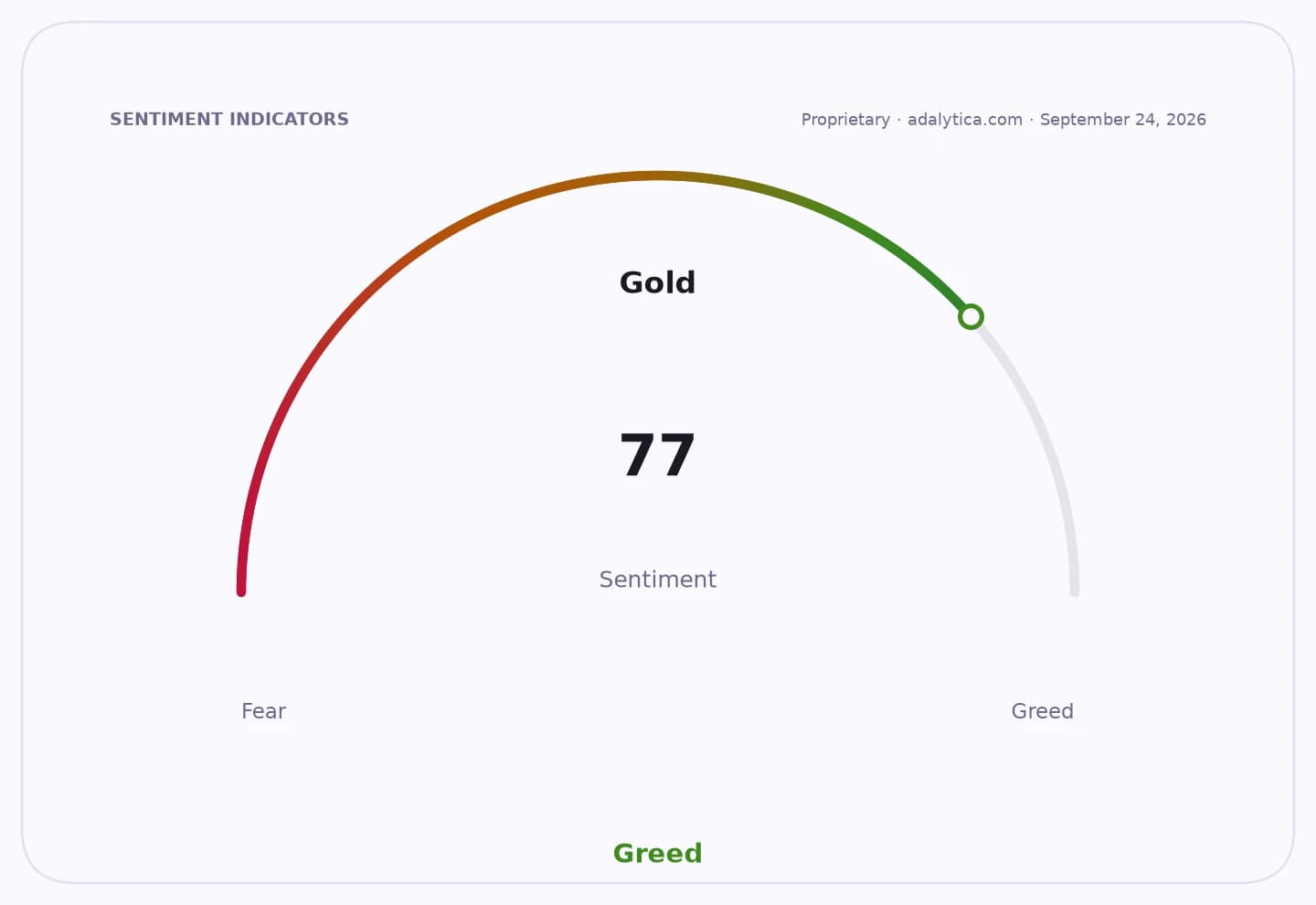
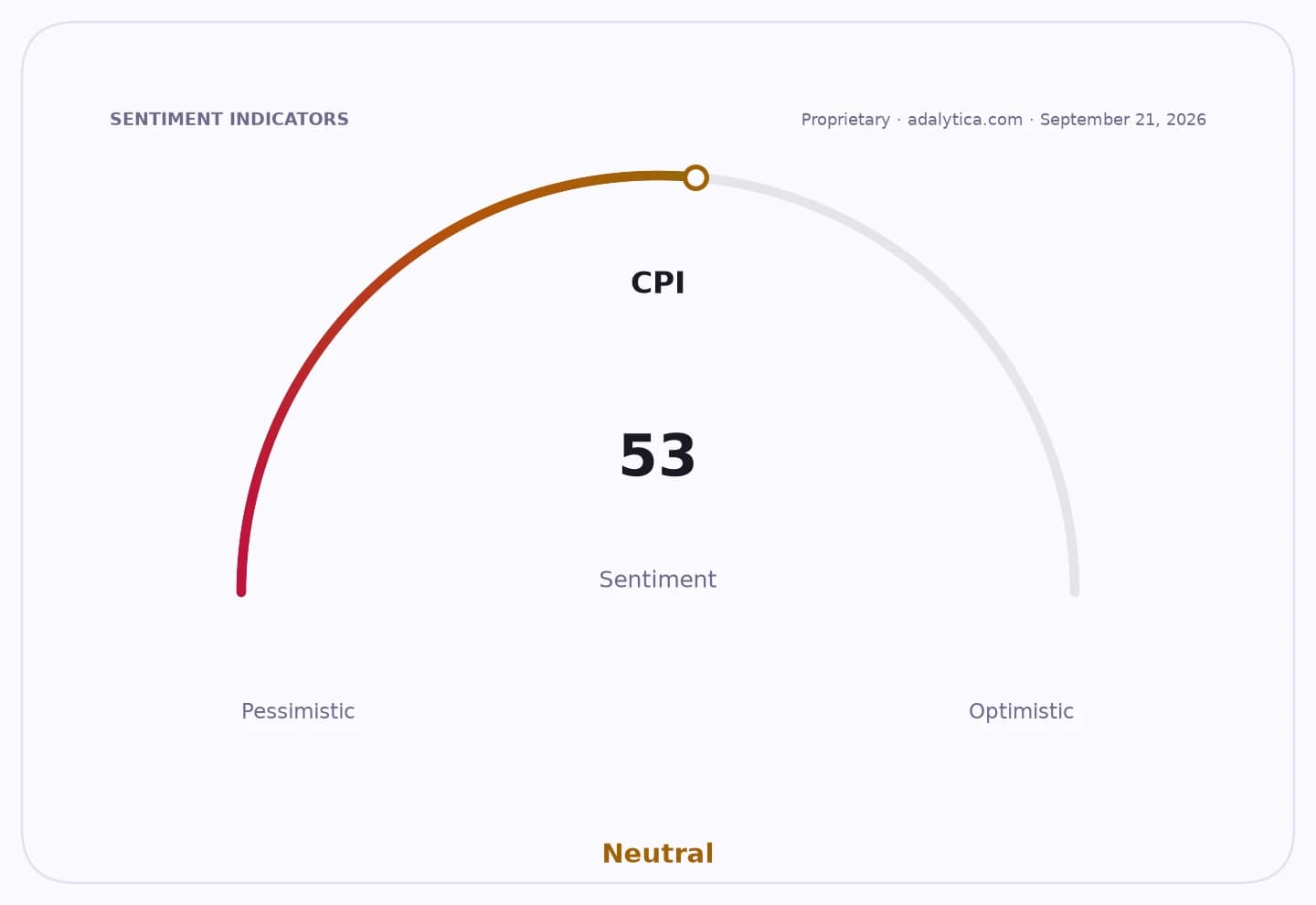
The dollar hovered close to 52.27 Egyptian pounds in bank trading, underscoring how tightly managed and fragile Egypt’s foreign-exchange market remains even as the US currency keeps its global strength.
Egypt pound holds near 52.27 per dollar in banks
The highest buy rate in the banking system was 52.17 pounds at Abu Dhabi Islamic Bank, while the top selling rate reached 52.27 pounds, also at Abu Dhabi Islamic Bank. Most large lenders clustered in a narrow band around 52.05 to 52.20 pounds, with Banque Misr, the National Bank of Egypt and Banque du Caire all quoting broadly similar levels.
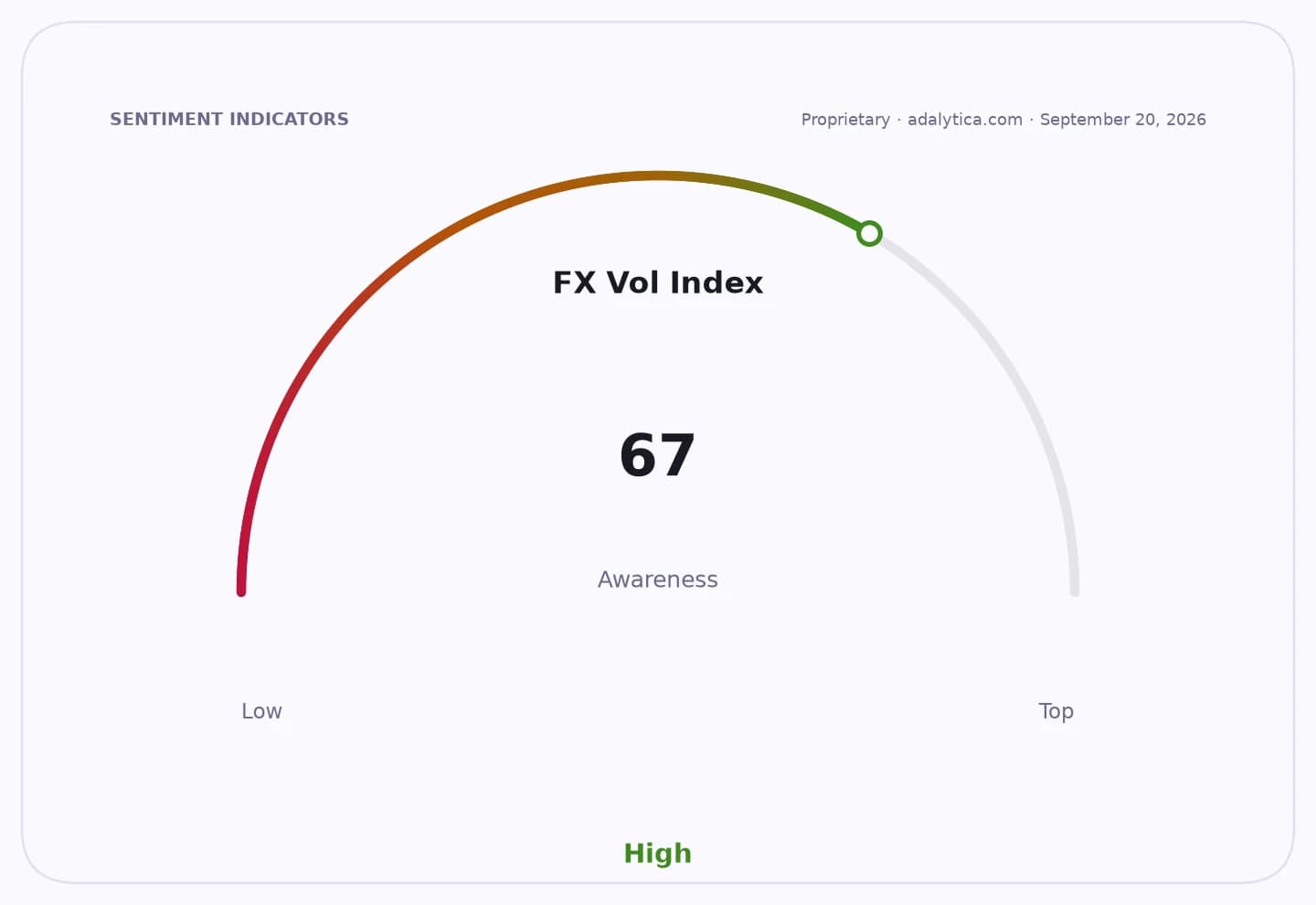
Sentiment IndicatorsⓘProprietary · adalytica.com · September 20, 2026
This is a snapshot — live sentiment, awareness and momentum for 130+ markets update continuously in the dashboard.Open AlphaPulse
That narrow spread matters because it suggests the market is not seeing a disorderly move, but neither is it seeing meaningful relief in dollar demand. In Egypt, where import payments, debt service and fuel purchases all lean heavily on foreign currency, even modest changes in the exchange rate can quickly affect inflation, corporate margins and consumer purchasing power. A stable rate around 52.2 pounds implies the central bank and the banking system are still working to keep the market orderly after repeated bouts of pressure on the currency.
For investors, the key issue is not the day’s price change but the signal it sends about liquidity. A pound that remains pinned near record-low territory keeps pressure on companies with dollar-linked costs, while helping exporters and firms with foreign-currency revenues. It also keeps local inflation expectations elevated, which can delay any easing in interest rates and keep the real economy under strain.
The dollar’s broader resilience adds to that pressure. The dollar index has held around 100, supported by firmer US interest-rate expectations, while emerging-market currencies remain vulnerable to global risk shifts. That leaves Egypt exposed: if the dollar stays strong and capital flows remain cautious, the pound is likely to stay under strain rather than stage a durable rebound.
For now, the market narrative is one of controlled stability rather than recovery. Banks are pricing the dollar in a tight range, but the level itself shows how much value the pound has lost and how dependent Egypt remains on foreign-currency inflows, policy credibility and external financing.
| Entity | Gains | Losses |
|---|---|---|
| Dollar holders | ▲Preserve purchasing power | ▼Face costlier local assets |
| Egyptian importers | ▲— | ▼Higher input costs |
| Egyptian exporters | ▲Stronger foreign revenue conversion | ▼— |
| Egyptian consumers | ▲— | ▼Higher inflation pressure |