Sudan’s pound is strengthening in the parallel market for a third straight day as foreign-currency speculation eases, pulling down gold and some staple prices and offering a brief respite after weeks of pressure on households and traders.
Sudan pound rises in parallel market, gold slips
Dealers in Khartoum said the dollar changed hands at 7,300 Sudanese pounds on Sunday, down from 7,600 pounds on Thursday, while the Saudi riyal sold for 1,970 pounds and the UAE dirham for 2,020 pounds. The move matters because the black-market rate still sets the tone for pricing across much of the economy, even though official bank rates remain far lower.
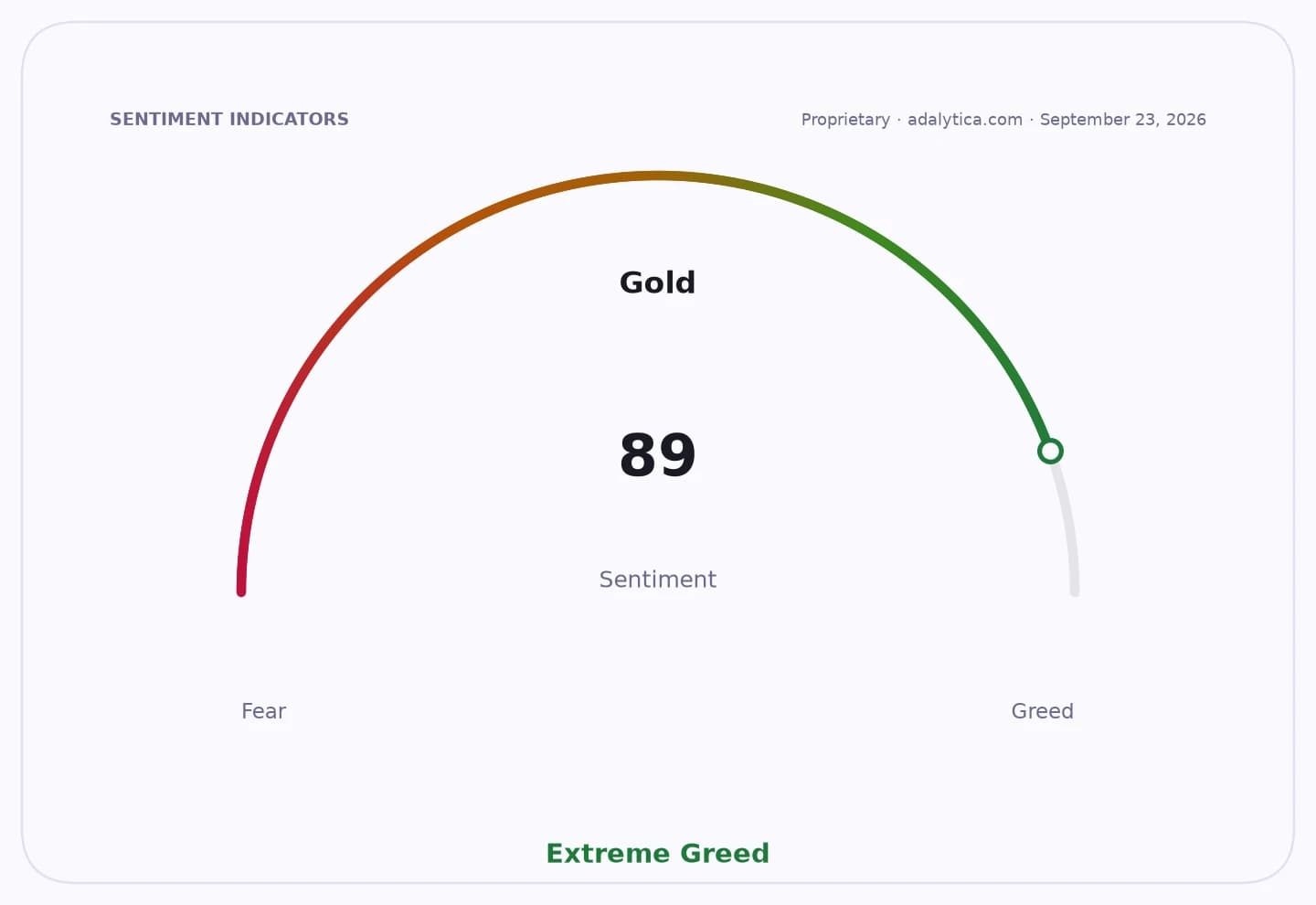
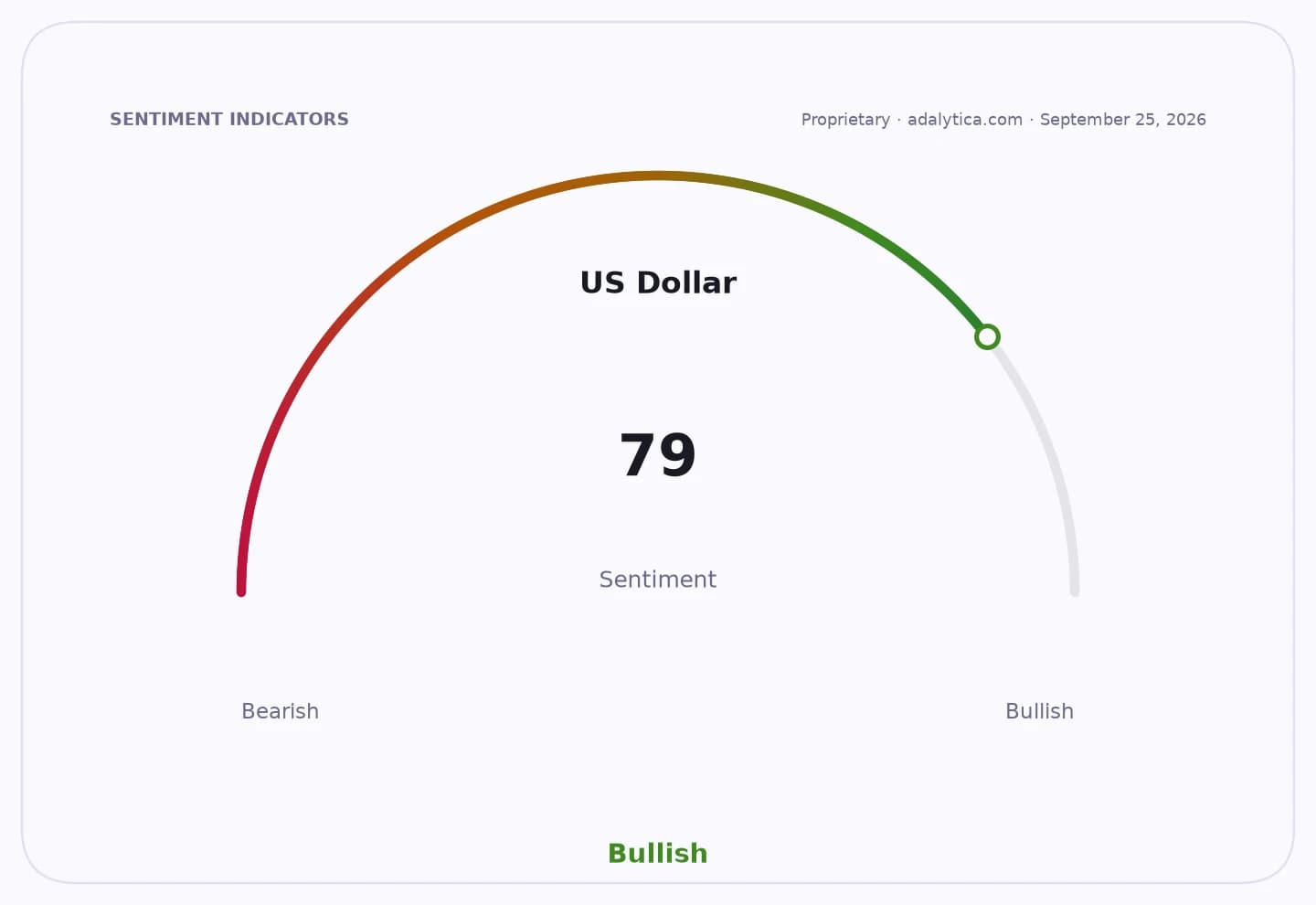
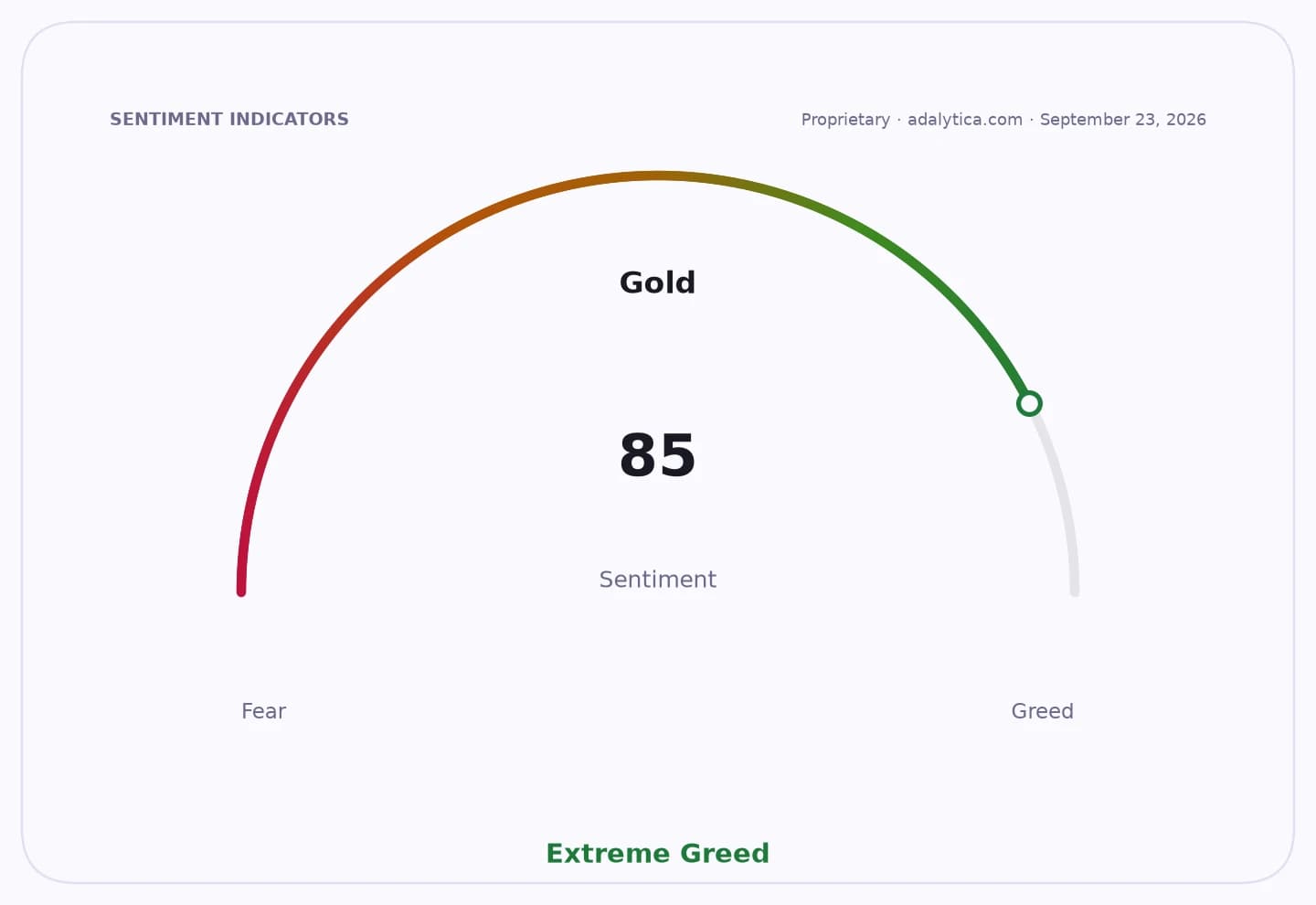
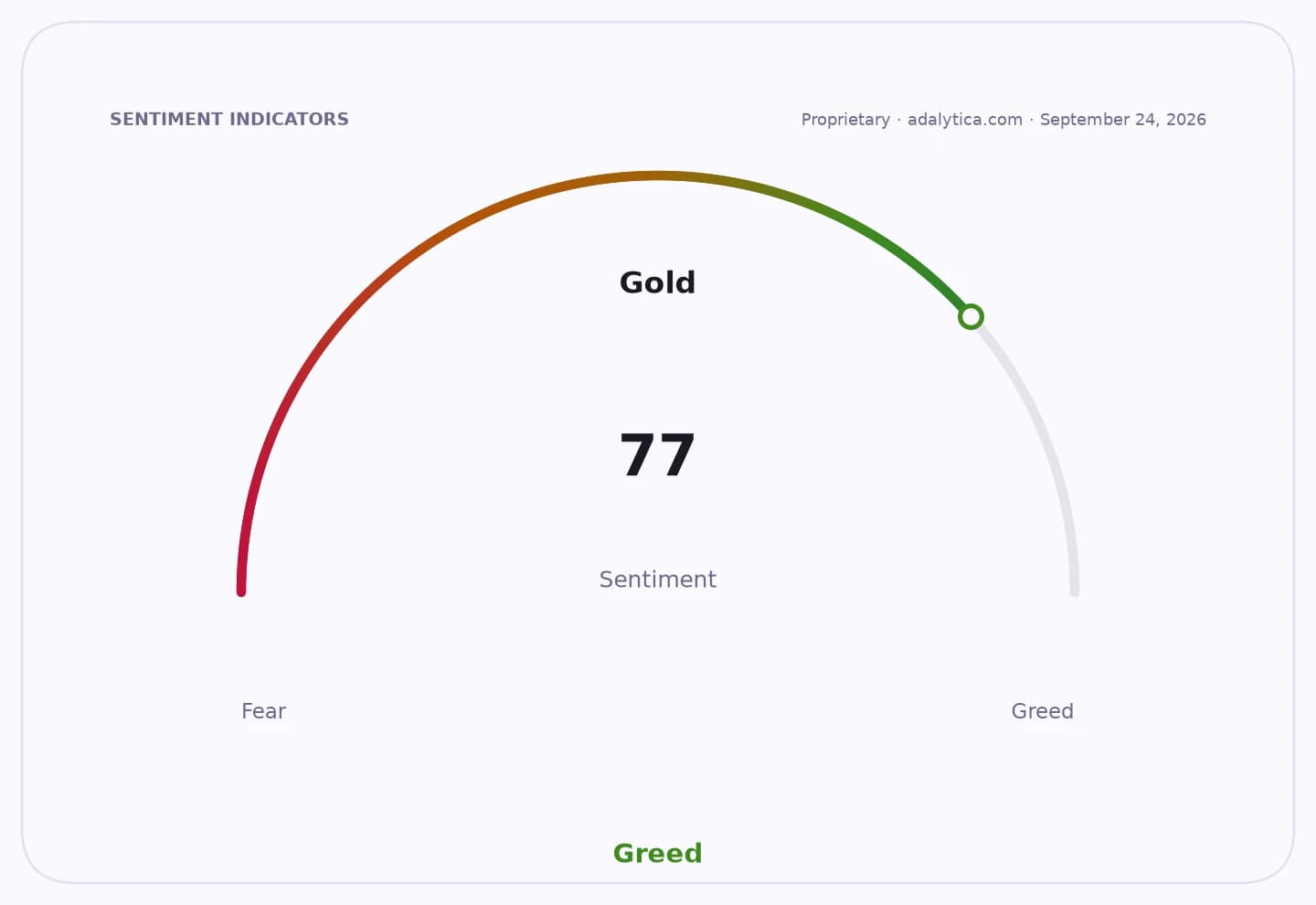
Sentiment IndicatorsⓘProprietary · adalytica.com · September 24, 2026
This is a snapshot — live sentiment, awareness and momentum for 130+ markets update continuously in the dashboard.Open AlphaPulse
The recovery comes after a sharp slide in the pound last week that fed directly into higher prices for goods and services. A smaller gap between buyers and sellers of hard currency appears to be easing some of that pressure for now, with traders reporting lower demand for dollars than a week earlier and reduced speculative activity.
Gold, one of Sudan’s most closely watched inflation gauges, has also weakened for a third day. The price of raw gold fell to about 860,000 pounds a gram and worked gold to 950,000 pounds, after the head of the Gold Exporters Chamber said local prices are increasingly tied to exchange-rate moves and global bullion trends.
That link matters for investors and traders because Sudan’s informal currency market transmits quickly into commodity pricing, import costs and household inflation. A firmer pound can temporarily slow the pace of price rises, but it also reflects fragile market liquidity rather than a durable macro fix.
Consumer goods are already responding. A 50-kilogram sack of sugar fell to 325,000 pounds from 370,000 pounds on Thursday, underscoring how exchange-rate swings ripple through basic imports in a country where the banking system and the parallel market still quote widely different dollar prices. Official banks were still pricing the dollar at 3,231.50 pounds at Bank of Khartoum, 3,778 pounds at Omdurman National Bank and 4,367 pounds at Faisal Islamic Bank.
For investors and commodity traders, the main takeaway is that Sudan remains highly exposed to currency-driven price volatility, especially in gold and imported essentials. Any sustained easing in dollar demand could extend the pound’s rebound, but the next move will likely hinge on whether foreign-currency speculation keeps fading and whether gold’s local decline continues.
| Entity | Gains | Losses |
|---|---|---|
| Sudanese pound | ▲Short-term recovery | ▼Black-market dollar buyers |
| Consumers/importers | ▲Lower import costs | ▼Dollar-hoarding traders |
| Gold sellers/speculators | ▲None | ▼Lower local gold prices |
| Banks with official rates | ▲Wider relative relevance | ▼Parallel-market pricing power |