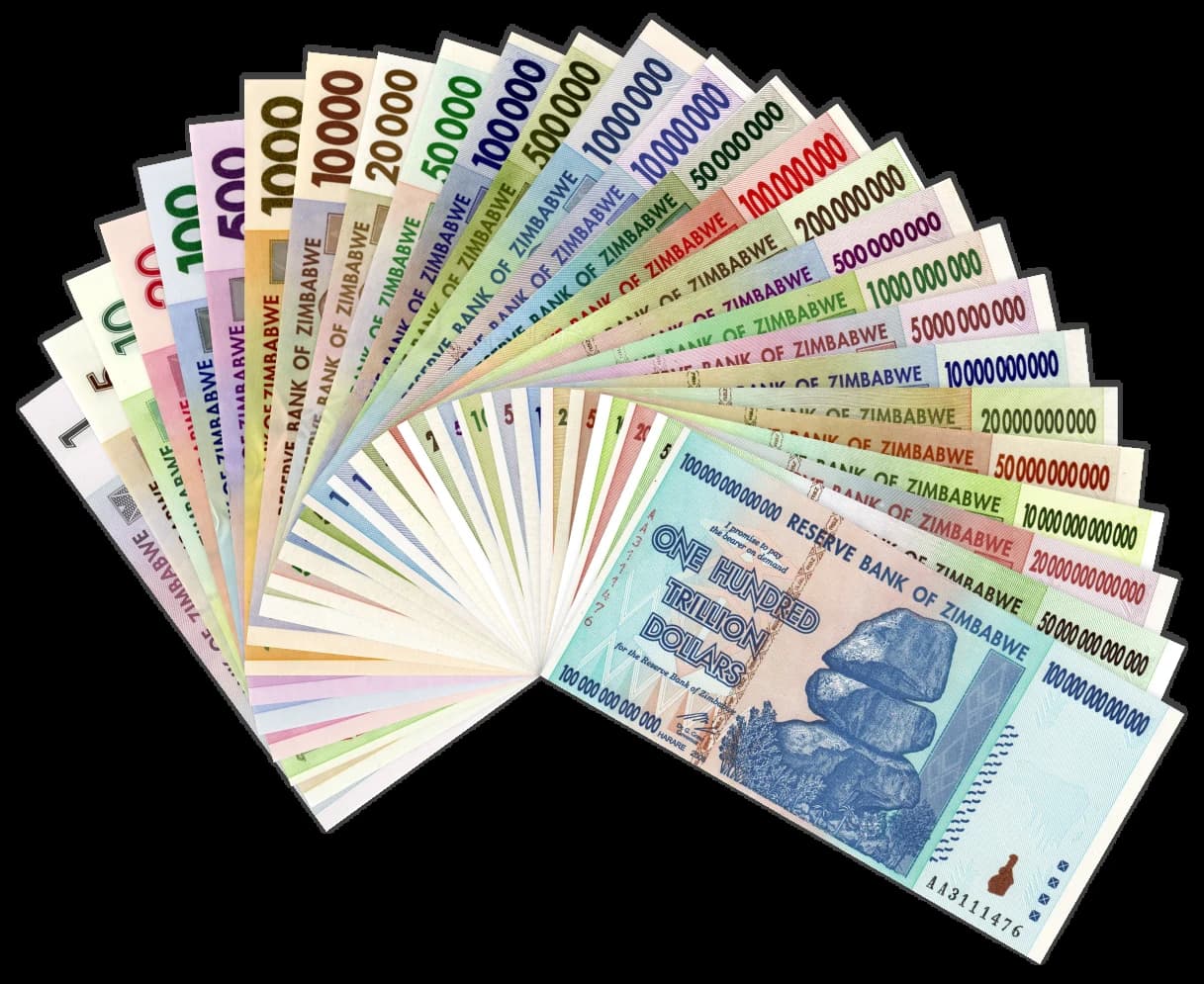
Libya’s parallel-market dollar climbed to 9.71 dinars in cash and 9.90 on instrument trades, underscoring how a broader US dollar rally is feeding directly into local pricing pressure, import costs and the exchange-rate gap that has long distorted the economy.
Libya Parallel Dollar Rate Rises to 9.71 Dinars
The move matters because Libya remains heavily dependent on imports for fuel, food and consumer goods, so every uptick in the informal exchange rate raises the domestic-currency cost of essential supplies and reinforces inflationary pressure. It also widens the divergence between official and street rates, a gap that tends to encourage arbitrage, complicate business planning and weaken confidence in monetary management.
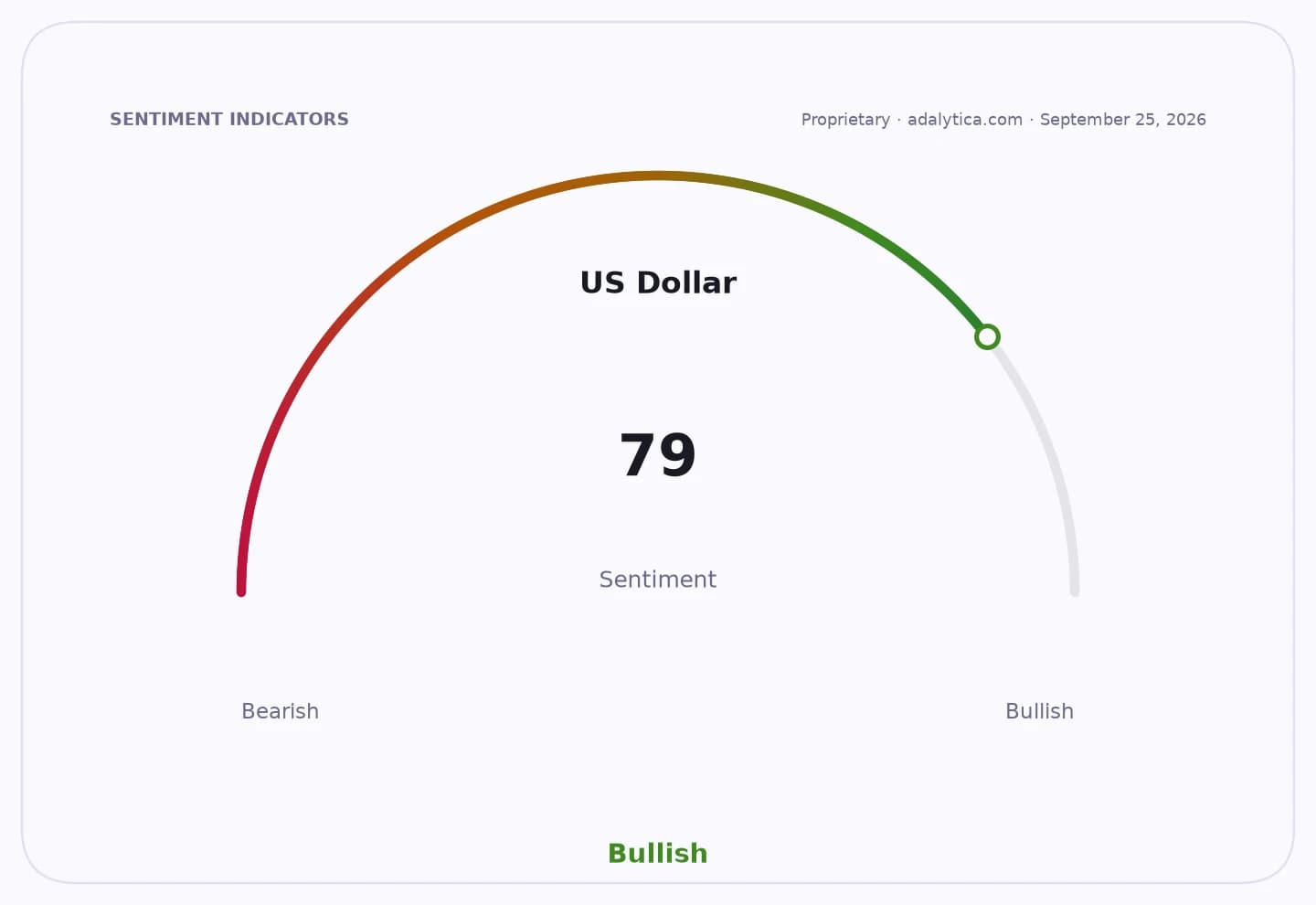
Sentiment IndicatorsⓘProprietary · adalytica.com · September 25, 2026
This is a snapshot — live sentiment, awareness and momentum for 130+ markets update continuously in the dashboard.Open AlphaPulse
The dollar’s rise is not just a Libyan story. Globally, the currency has been firm as markets price a more hawkish Federal Reserve, with the greenback near a two-month high against major peers. That broader strength is showing up in peripheral FX markets first, where thin liquidity and weaker policy credibility can amplify moves. In Libya, where foreign-exchange access remains constrained and the parallel market acts as a pressure valve, the impact is immediate.
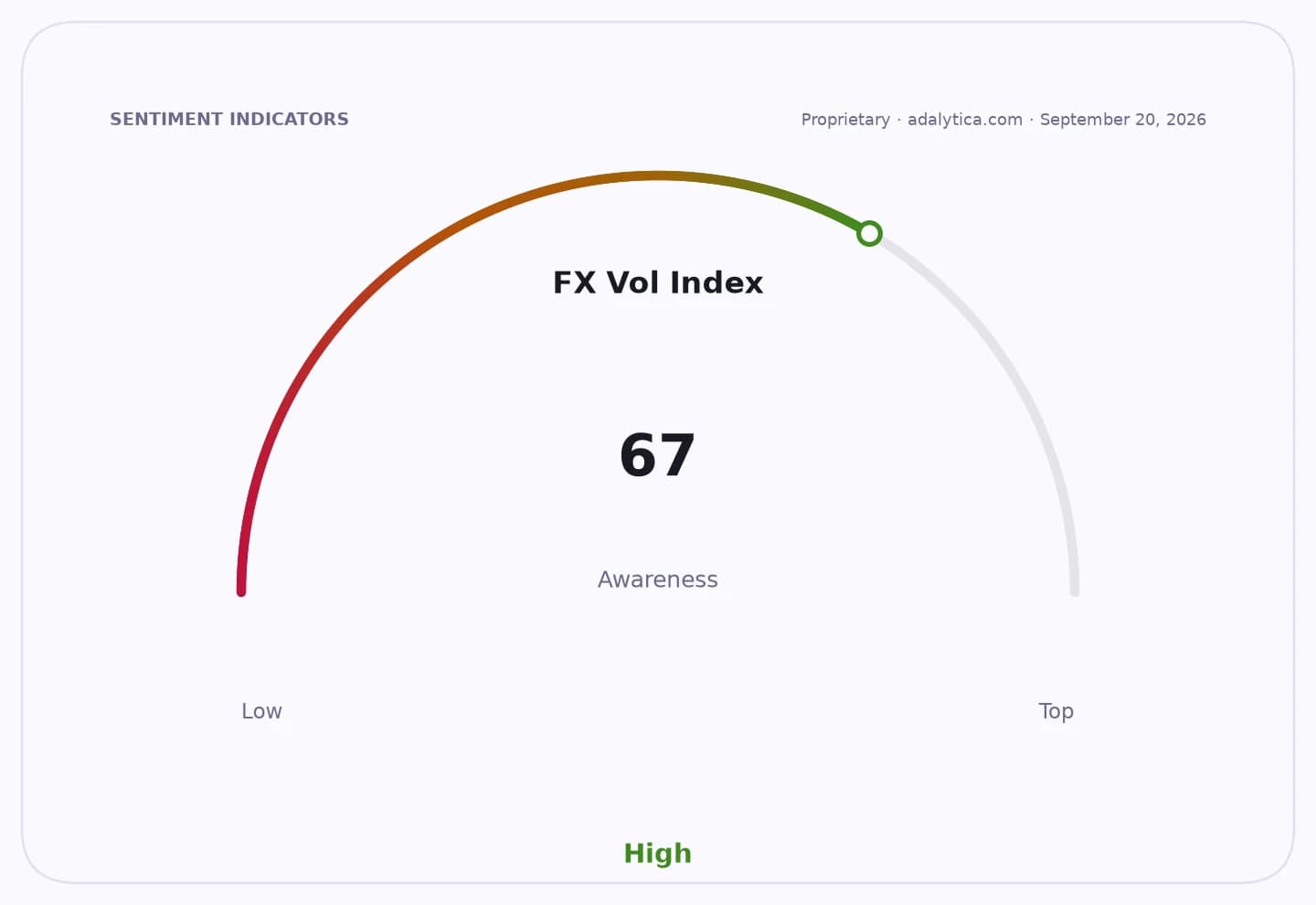
Technical indicators in the supplied data point to a market that has turned sharply more stretched. The US dollar series is trading well above its 50-day and 200-day moving averages, while the relative strength index has been elevated, suggesting the rally has been strong enough to keep buyers in control even after recent volatility. Adalytica’s US dollar trade signals show sentiment at 79, labelled greed, even as awareness remains in extreme fear, a combination that suggests strong momentum but also sensitivity to any reversal in Fed expectations or local policy intervention.
For investors, the key issue is not the headline rate alone but what it implies for Libyan economic stability. A weaker dinar in the parallel market can squeeze corporate margins for importers, raise working-capital needs and sharpen demand for hard currency. It can also force households to cut non-essential spending as imported goods become more expensive, a drag on consumption and business activity.
There is also a market-structure angle. The premium in the cash and instrument markets suggests demand for dollars is still outrunning supply, leaving the parallel rate vulnerable to further spikes if external dollar strength persists. If the Fed stays hawkish and local liquidity remains tight, the parallel market could remain the main transmission channel for imported inflation in Libya.
For now, the immediate risk is that another leg higher in the dollar keeps pushing up the cost of living before any policy response can catch up. The longer that spread persists, the more entrenched the parallel market becomes — and the harder it is for official measures to restore credibility.
| Entity | Gains | Losses |
|---|---|---|
| Dollar holders | ▲Higher local purchasing power | ▼— |
| Libyan importers | ▲— | ▼Higher inventory costs |
| Households | ▲— | ▼More expensive imported goods |
| Official FX policy | ▲Stability if it intervenes effectively | ▼Credibility if gap widens |