The US dollar’s surge is squeezing emerging-market currencies and reviving fears of faster devaluations, with market pricing now echoing the kind of disorder that can quickly feed inflation, strain imports and hit consumer demand.
US dollar rise pressures emerging-market currencies
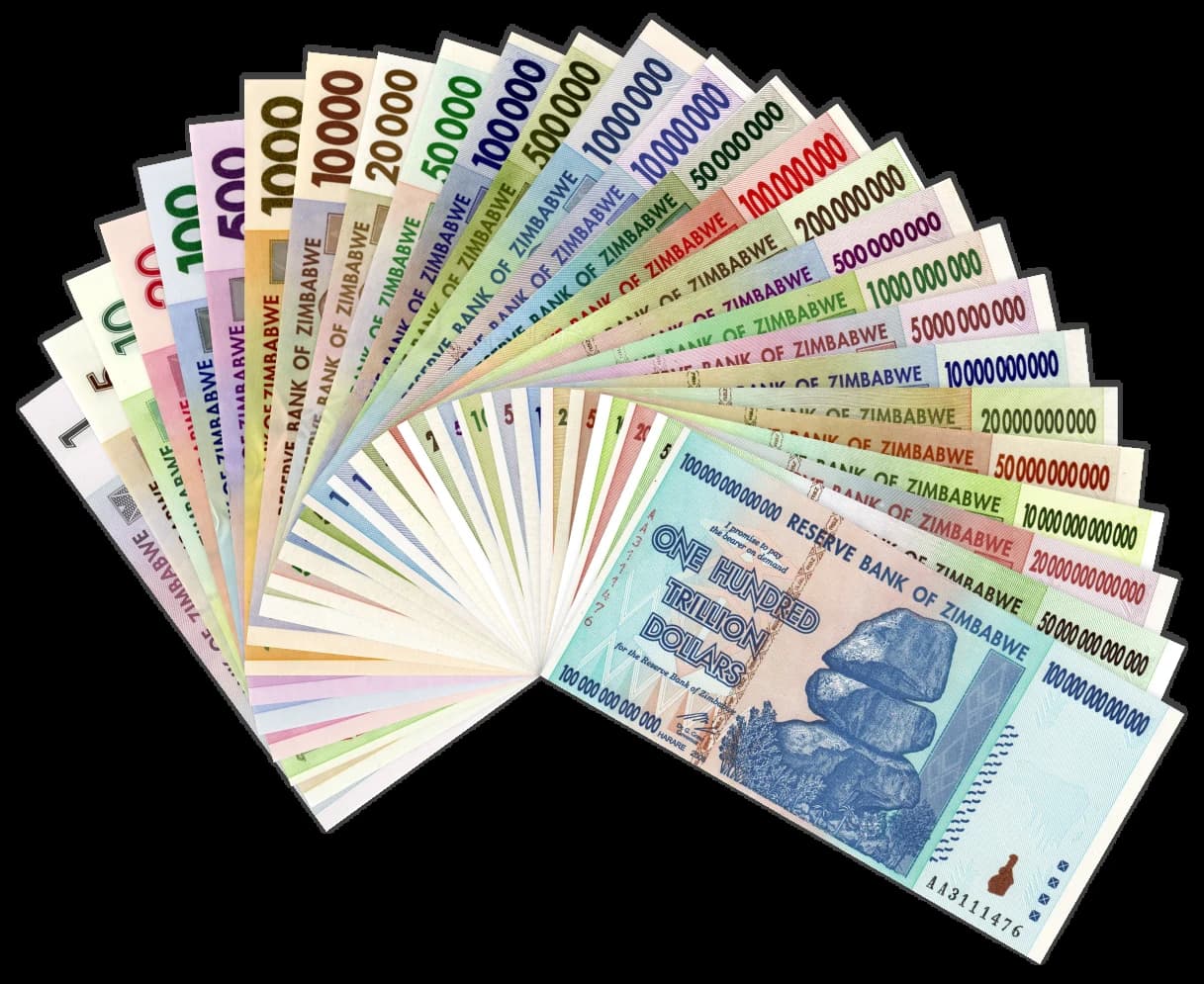
The most important shift is not just that the dollar is strong, but that it is strengthening alongside higher oil prices and a firmer US rate backdrop, leaving currencies with external deficits and thin buffers increasingly exposed. In markets, the dollar has pushed to fresh highs in sentiment gauges, while the Dollar Index has held near 99.61 and the greenback has gained against the euro and other majors.
Sentiment IndicatorsⓘProprietary · adalytica.com · September 19, 2026
This is a snapshot — live sentiment, awareness and momentum for 130+ markets update continuously in the dashboard.Open AlphaPulse
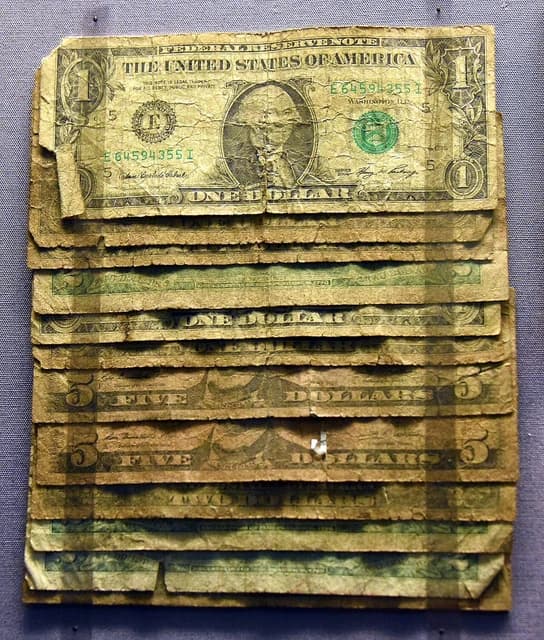
That matters economically because a stronger dollar lifts the local-currency cost of fuel, food, debt service and capital goods. For import-dependent economies, especially those already running trade gaps, the pressure can show up quickly in inflation, margins and policy tightening.
Investors are watching the spillover into everything from sovereign risk to corporate earnings. Exporters can benefit from translation gains, but companies that borrow in dollars or rely on imported inputs face higher costs and tighter cash flow. In commodity-linked markets, rising oil adds another inflation impulse just as the dollar’s advance makes those imports more expensive in local terms.
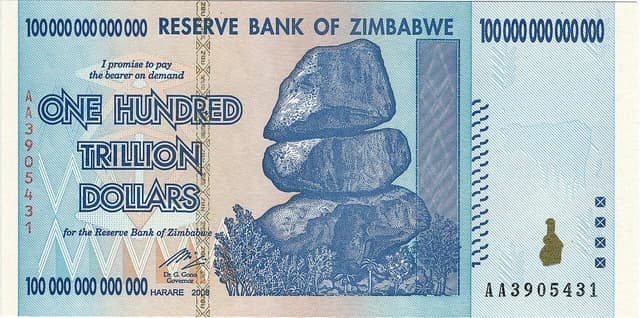
The move also raises the stakes for central banks. If policymakers defend currencies too aggressively, they risk draining reserves or choking growth; if they do nothing, they risk imported inflation and capital outflows. The result is a classic “war of regret” for market participants who sold dollars too early or chased carry without enough protection.
In practical terms, traders are now focused on whether the dollar’s run extends into the next round of central-bank meetings and whether oil keeps trading near its recent highs. That combination would keep pressure on vulnerable currencies and extend volatility across emerging markets.
| Entity | Gains | Losses |
|---|---|---|
| US dollar | ▲Higher demand, stronger carry | ▼Risk of policy backlash |
| Import-dependent economies | ▲— | ▼Higher inflation, costlier imports |
| Exporters | ▲FX translation gains | ▼Weaker local purchasing power |
| Oil producers | ▲Better revenue in dollar terms | ▼— |