Cristina Fernández’s final conviction by Argentina’s Supreme Court has turned a weekly pension protest in Buenos Aires into a broader anti-government mobilization, deepening the political challenge facing President Javier Milei as he pushes through austerity measures.
Argentina protests widen after Fernandez conviction
Hundreds of Kirchnerist activists gathered outside Fernández’s home on Wednesday after the court upheld a six-year prison sentence and lifetime ban from public office, while others joined retirees marching near Congress. What began as a demonstration over pensions and senior citizens’ rights has become a platform for teachers, students, doctors, scientists and feminists — a sign that opposition to Milei’s fiscal adjustment is widening beyond a single constituency.
The immediate economic relevance is that Argentina’s reform agenda depends on sustained political capital, and the court ruling has given the opposition a sharper rallying point at a time when Milei is still trying to lock in legislative support for his decree-driven program. The government needs Congress onside to protect Decree 70/23 and advance changes to the primary election system, and a rising protest cycle increases the risk that social unrest bleeds into parliamentary resistance.
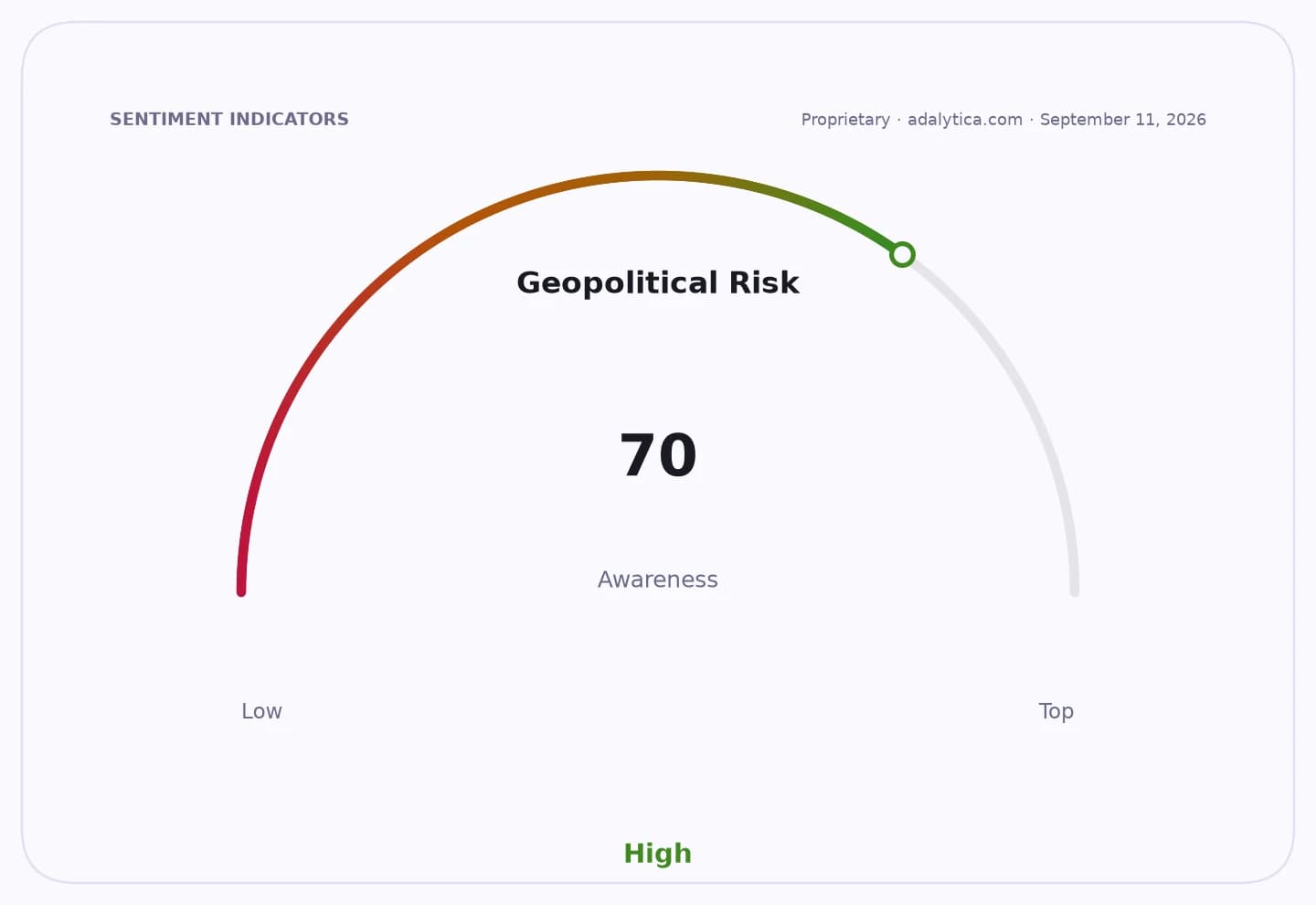
For investors, the question is not the legal fate of Fernández alone but whether the ruling hardens the anti-Milei coalition at the same time the administration is trying to sell stability to markets and foreign capital. Argentina remains a highly policy-sensitive market where street politics can quickly affect confidence in fiscal consolidation, privatization plans and the country’s access to external funding.
Geopolitical Risk vs ARGTadalytica.com
Explore this data interactively — full history, time series and cross-market comparisons.Open AlphaPulse
The mobilization also underlines how polarized Argentine politics remains even after Milei’s election. Fernández, president from 2007 to 2015, is still a potent symbol for Peronist activists, and the court’s decision — in a corruption case tied to roadworks contracts during the Kirchner era — has been framed by her allies as political persecution. That narrative is likely to keep crowds returning to the streets, especially as pensioners continue to face pressure from austerity and inflation-adjusted incomes remain a flashpoint.
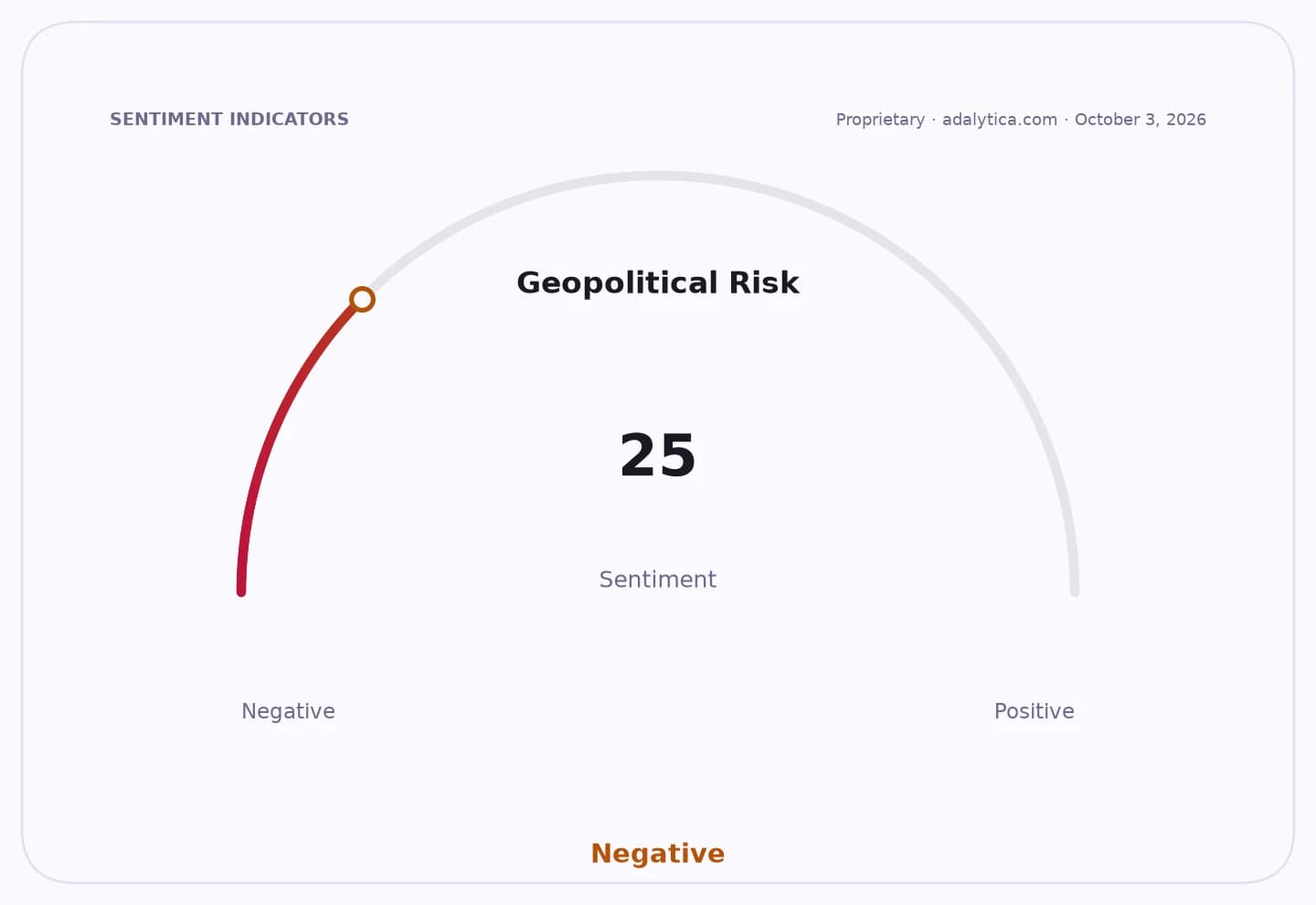
Market indicators point to a more cautious backdrop for Argentine risk. The Global Stability Sentiment gauge from Adalytica.com was in “Fear” at 25, with “Extreme Fear” awareness, while the U.S. dollar trade signal also showed “Extreme Fear,” reflecting persistent global caution around macro and political volatility. Argentina-linked assets have also been under pressure: Telecom Argentina’s U.S.-listed shares have fallen sharply from earlier highs and are trading below both their 50-day and 200-day moving averages, while the broader emerging-markets ETF EEM has been steadier, highlighting how country-specific risk remains the bigger issue.
The bull case for Milei is that the protests remain fragmented and do not yet look capable of derailing his core fiscal program, especially if he can keep provincial governors aligned. The bear case is that the Fernández ruling becomes a unifying grievance that fuses social discontent with Peronist politics, making it harder for the president to secure the legislative backing needed to sustain reform momentum.
For now, the key test is whether the demonstrations stay symbolic or begin to affect congressional arithmetic, investor sentiment and the government’s room to keep cutting spending without a broader backlash.
| Entity | Gains | Losses |
|---|---|---|
| Milei government | ▲Reform mandate, if protests stay contained | ▼Political capital, if unrest broadens |
| Peronist/Kirchnerist opposition | ▲Mobilization narrative, revived street support | ▼Institutional leverage, after court defeat |
| Retirees and protest groups | ▲Broader visibility for pension grievances | ▼Risk of harsher state pushback |
| Investors in Argentina | ▲Potentially stronger reform if Milei prevails | ▼Higher policy and volatility risk if unrest escalates |